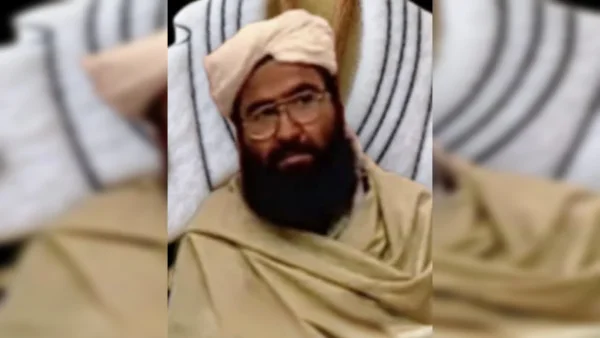
Mohammad Tahir Anwar was Masood Azhar’s older brother and a leading figure in Jaish-e-Mohammed. He has reportedly died in Pakistan under suspicious circumstances. Officials haven’t confirmed how he died, and late Monday evening reports of his funeral popped up on Telegram channels used by people who support JeM.
Reports of death and funeral details
These Telegram messages said Anwar was buried at Jamia Masjid Usman-o-Ali in Bahawalpur and important JeM members were there. The announcements didn’t say if he died of sickness, because of someone hurting him, or something else; there was no official death certificate or report from a medical examiner.
People in the area who wrote the messages said the burial was carefully watched over by armed JeM members and religious leaders at the mosque. Because the police or health officials haven’t officially said anything, many analysts and security people are guessing about how Anwar died.
Anwar’s role within Jaish-e-Mohammed and operational significance
Apparently, Anwar was one of five brothers with close ties to the JeM leadership. He’s thought to have been in charge of armed fighters and headed Markaz Usman-o-Ali, a regional center in Bahawalpur for getting recruits and planning operations. He was at the heart of the group’s actual work.
Security experts say Anwar has been supervising training and getting weapons for a long time, going all the way back to the early 2000s. His experience doing things and his family connection to the leader made him a lieutenant Masood Azhar trusted, and he coordinated supplies and people for many important attacks that are believed to have been done by JeM.
Context of recent strikes and prior losses in Bahawalpur
This report of his death comes at a time when JeM’s structure in Bahawalpur is already under a lot of pressure. After Masood Azhar was released in 1999, the group made Bahawalpur a major stronghold. In May 2025, airstrikes hit places linked to the organization, and seriously damaged a large JeM facility in the city.
After the airstrikes, JeM leaders said that several family members and assistants were killed, and the organization publicly described this as a sacrifice. Those watching the situation have said these strikes have broken their ability to give orders, training, and weapon storage, and have increased worry within the group.
Security implications and possible consequences
If Anwar’s death is confirmed, it would be a significant blow to Jaish-e-Mohammed’s operations, removing a skilled commander in the field and a loyal relative of the leader. When a militant group loses leaders, they often have to quickly reorganize, which can cause issues in the short term but can also lead to new leaders trying different strategies.
The authorities in the area haven’t made any statements, and Pakistan’s security forces aren’t saying anything publicly. The fact that there are no official details increases the chance of different stories appearing, from claims he died naturally to suggestions of arguments inside the group or secret actions by governments or other groups. Experts warn against being sure about anything without proof that can be checked.
Outlook and need for verification
People who investigate and counterterrorism experts will probably watch Bahawalpur and JeM’s communications very closely to see if they try to get revenge, reorganize, or change who’s in charge after the report of Anwar’s death. Information found publicly, monitoring social media, and intelligence from the area will be important for confirming what happened and figuring out the impact on operations.
For now, authorities haven’t confirmed the report of his death, and because the cause of death isn’t clear, there’s a lot of uncertainty. We need to get confirmation from people who aren’t connected to either side or from forensic evidence to go beyond guessing and to understand what this means for security in the region and the fight against terrorism.