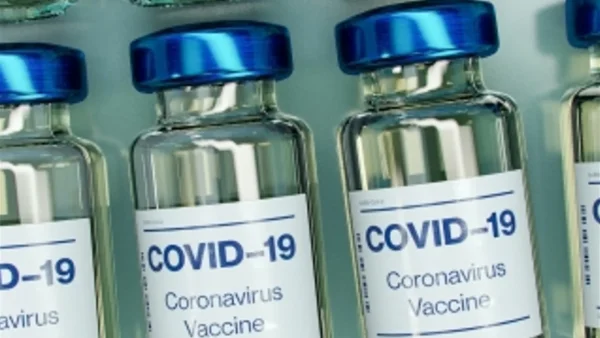
This new COVID-19 version, BA.3.2 or Cicada, has been quietly going around for months and is now increasing in the US. What we’ve seen so far shows it isn’t more serious than recent strains, but because of its genetic differences, the current vaccines might not protect as strongly.
What is BA.3.2, also known as Cicada
BA.3.2 comes from Omicron, the family of variants that has been the main one since late 2021. Like other Omicron subtypes, it has a similar genetic base as previous versions, but with a unique collection of changes that affect how it acts within the population.
The biggest difference is in the spike protein, which is the part of SARS-CoV-2 that attaches to cells in your body. BA.3.2 has about 70 to 75 changes in its spike protein when compared to recent dominant strains. Vaccines and many of the antibodies that fight the virus target this part.
Because vaccines work by teaching your immune system to recognize the spike protein, a significantly changed spike protein can slow down how quickly your body’s defenses start working. This doesn’t automatically make the variant more dangerous, but it can allow it to infect people who have already had the virus or been vaccinated more easily.
How it emerged and where it has been found
Researchers first found BA.3.2 in Africa in November 2024. Throughout 2025 it spread to many areas, and by February 2026 it had been found in 23 countries, showing it was steadily becoming more common internationally, rather than all of a sudden appearing everywhere.
The first known case in the U.S. was in someone who traveled in June 2025. Since then, we’ve found more cases. Testing people and looking at sewage have shown BA.3.2 in at least 29 states, meaning it’s being passed around in communities and in many different places.
Wastewater signals and surveillance gaps
Looking at sewage has been one of the first ways to know when a variant is becoming more common. Bits of the virus that end up in the sewer can show new versions of the virus before we start seeing a lot of positive results from tests, giving us a picture of what’s happening with the virus in a whole community.
However, fewer states are sending in sewage data now than during the height of the pandemic. This has been true since about t2022, and it’s creating gaps in our information. Still, the sewage data we do have backs up what doctors are seeing: BA.3.2 is becoming more common in the US.
How BA.3.2 differs from recent strains
Viruses are constantly changing. Every time SARS-CoV-2 makes copies of itself inside a cell, small mistakes happen. Most of these mistakes don’t matter, but occasionally a change will help the virus spread a little easier or get around your immunity, and then that version of the virus will become more common than others.
To your immune system, BA.3.2 is a bit different from JN.1, which was the main version in the US from late 1924 into 2025. It’s as if you’re seeing an old friend who has gotten a new haircut and clothes. You still know who they are, but it might take you a moment to recognize them.
This slight delay is important. If your immune system is slower to recognize a variant, the virus gets a jump start. More people can get infected, even if the actual illness isn’t any worse for each person. This is the virus avoiding the immune system, and isn’t necessarily the virus becoming more potent.
What this means for vaccines and immunity
Current COVID-19 vaccines in the U.S. are made for the JN.1 family of variants. Because BA.3.2 is genetically further from JN.1, it’s not a perfect match. This imperfect match could lower how well the vaccine works to prevent infection, especially mild or short-term illness, by slowing down the initial response of your immune system.
But it’s important to know that a less than perfect match doesn’t get rid of the protection you get from the vaccine. There’s a lot of proof that vaccines still lower the likelihood of being hospitalized or dying from the virus, even when new versions of it get past your initial protection. Your T cells and the broader way your body remembers the virus still help prevent very serious illness.
Because of this, it’s still good to get the latest vaccine. Your body’s immune system can bounce back more quickly with a more recent boost than if it’s lost some protection. For older people and those with long-term health problems, that quicker response could mean the difference between a bad week and a hospital stay.
Risk outlook: severity, spread, and long COVID
Up to now, BA.3.2 doesn’t seem to cause worse sickness than the versions of the virus going around during the winter of 2025 and 2026. The main worry isn’t how sick people get, but how fast it spreads. If lots of people get infected at the same time, even a small percentage who need medical attention could overwhelm doctors’ offices and hospitals.
People with ongoing lung or heart issues, diabetes, kidney problems, a weakened immune system, or cancer are still more likely to have complications. It’s a good idea to have a plan for quick testing and to talk to your doctor about treatment, especially when a lot of people in your area are getting sick and your chances of being exposed are higher.
Long COVID is still a possibility, though it’s happening less often. Although the number of cases leading to long COVID is lower than earlier in the pandemic, roughly 3 out of 100 infections still result in it. And with fewer infections in general, there will be fewer long-term issues.
What we know and what we are watching
We know BA.3.2 is spreading rapidly, it’s genetically different from JN.1, current vaccines might not stop you from getting infected as well, but they should still do a good job of keeping you from becoming seriously ill. There’s no sign it’s currently more dangerous.
We don’t know how high the number of BA.3.2 cases will go, how long it will be the main version of the virus, or if it will create further variations with even more advantages. Hospital numbers, how much of the virus is in wastewater, and how many tests are positive in the next few weeks will help us understand what’s going to happen.
Practical steps to reduce risk
The ways to slow the spread are the ones we’re familiar with, and they still work. Begin with washing your hands: after using the restroom, before you prepare or eat food, and after being near someone who’s sick. Washing your hands regularly can decrease your risk of getting a respiratory infection by about 16 to 21 percent.
If you aren’t feeling well, stay at home. Resting will help you get better, and staying away from public places will reduce the chance of passing the virus to someone more vulnerable. You might not realize who nearby is being treated for cancer or dealing with bad asthma, but your decisions impact them.
When possible, choose to be outdoors or in places with plenty of air flow. Being in crowded indoor spaces makes it easier to get the virus. Even small things can help, like opening windows, going outside on breaks, or doing your shopping when places aren’t so full.
If you are at a higher risk, discuss a personal plan with your healthcare provider. This could include being up to date with your shots, knowing where and how to get tested quickly if you develop symptoms, and discussing if an antiviral medication would be a good idea if you test positive.
Thinking about the community is important too. If you can get rapid tests, use them when you feel sick and before you see friends or family who are more at risk. During local surges, think about wearing a good quality mask in crowded indoor spaces. These extra steps all add up, especially with a new version of the virus.
Bottom line on BA.3.2
BA.3.2, nicknamed the Cicada variant, isn’t causing concern about being much more severe, but it is different enough to spread quickly in a population that has built up protection against JN.1. This combination can cause a rise in case numbers, mainly among people whose immunity has decreased or isn’t broad enough.
Stick to the basics. Get your vaccines as recommended, spend time in fresh air, wash your hands, and stay home if you’re sick. If you have health conditions that make you more vulnerable, get specific advice from a doctor you trust. Careful and consistent precautions are still the best way to protect yourself.