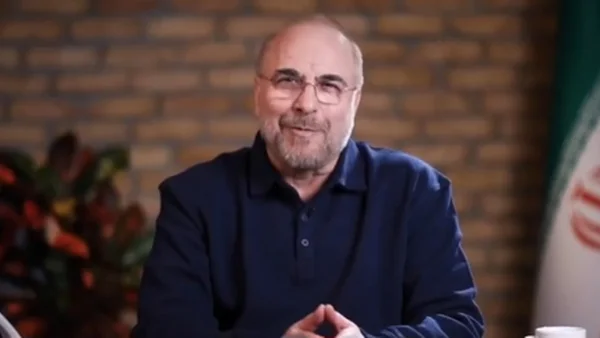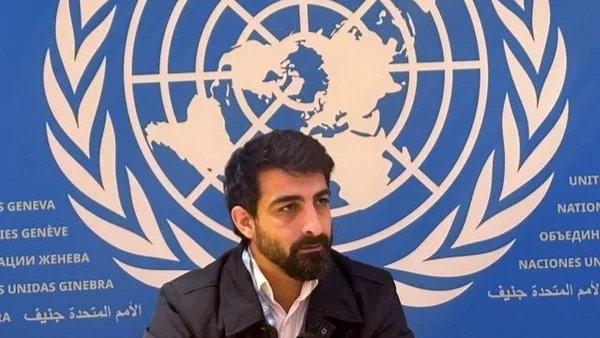
A diplomat with ties to the United Nations, Mohamad Safa, has resigned saying the UN is getting ready for a possible nuclear event in Iran. Safa has been involved with the Patriotic Vision Organisation (PVA) for a long time, and was its executive director from 2013 onward; he posted his resignation and a long letter on X (formerly Twitter), causing concern and a lot of discussion. The UN has not yet said anything about the claims, and they have not been confirmed.
Safa says he quit after more than ten years with the PVA, including being the executive director since 2013, because he couldn’t continue to be part of a system he believes is being led toward planning for something terrible.
Claims about nuclear planning and available evidence
In what he said to the public, Safa accused certain high-ranking people at the UN of being swayed by a ‘very strong lobbying group’ and stated the organization was preparing for nuclear weapons possibly being used in Iran. He said he was making this decision to try to stop what he called a possible ‘crime against humanity’.
Safa pointed out that Tehran has a very large population and warned about the number of people who would be hurt in any escalation with nuclear weapons. He said he ‘left his diplomatic job to reveal this information’ and wants people to be aware and protest to stop things from getting worse.
However seriously we take these statements, no one has independently confirmed that the UN is planning for a nuclear attack on Iran. The United Nations hasn’t made any official statement about Safa’s message, and there’s no paperwork to back up the specific details he has given.
Institutional status and the limits of consultative roles
The Patriotic Vision Organisation has ‘special consultative status’ with the UN Economic and Social Council. This means the PVA can be involved in some UN work, but it doesn’t allow the PVA to make decisions about security – things like using military force or nuclear policy.
An organization simply having consultative status wouldn’t usually mean they could decide how the UN handles nuclear planning. Experts say that serious changes regarding nuclear weapons would involve the countries that are members, security divisions, and specific government departments, instead of a consultative NGO by itself.
Broader implications for international trust and policy
Safa’s resignation comes at a time of increasing tension in the Middle East and a very divided worldwide argument about holding people responsible, security, and fairness. Reports of pressure from within, censoring information, and ignoring officials who disagree show a growing lack of trust in international organizations.
If these concerns about improper influence are correct, they would cause us to question how open the UN is, how it is being watched, and how priorities for security are decided. The countries that are members and the UN’s own divisions are faced with a problem: they need to deal with believable accusations quickly, or people will lose even more faith in international cooperation.
Humanitarian and legal stakes raised by the claims
The possible results of even talking about using nuclear weapons are huge for people. An attack on a large city could kill many civilians, cause lasting harm to the environment, and make the whole area unstable. Safa spoke of ‘nuclear winter’ and said we all need to act together to prevent escalation.
From a legal point of view, using nuclear weapons would relate to international humanitarian law and could be a crime against humanity, depending on why they were used and what happens as a result. We need independent verification and clear, open reporting before governments or the public believe or reject allegations about nuclear planning.
In conclusion, Mohamad Safa’s resignation and his shocking claims have made the discussion about the UN’s role and the chances of things getting worse in the area more intense. Because there’s been no independent proof and the UN has said nothing, many important questions are still unanswered. Those who make policy, diplomats, and groups in society will need to demand proof, openness and an independent investigation to get things clarified and lower the risk of a mistake.