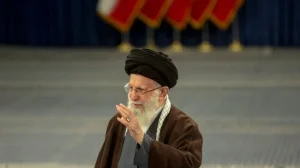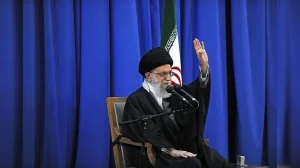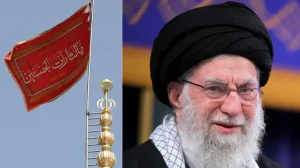
Mojtaba Khamenei became Iran’s supreme leader on March 9th, after his father died at the beginning of the war. He’s been pretty much out of sight. He hasn’t been at any live events and hasn’t said much. This has brought a lot of attention from the rest of the world. Intelligence organizations, the CIA and Mossad among them, are actively trying to find out where he is and what he’s doing.
Public absence and official communications
He’s put out written messages, but we haven’t had a live sighting of him, or heard his voice. Normally for Nowruz (the Persian New Year) the supreme leader gives a speech on TV. This year, he posted a written message on Telegram and some pictures.
The state TV stations read his statements, but since he was chosen by a group of religious leaders, no new videos or photos of him have appeared. The fact that we can’t see or hear from him makes people question whether he’s completely using the powers of his position.
Intelligence monitoring and international search efforts
Intelligence in the West and in the Middle East are keeping a very close watch on the situation. The CIA and Mossad, they say, have increased their attempts to get reliable information about Mojtaba Khamenei's health and who he’s giving orders to in Tehran.
An Israeli officer has said they have no proof Mojtaba is really the one telling people what to do. Other intelligence reports also point to a lack of solid information about his day-to-day leadership. Iranian officials have said he has been at meetings, which means he’s alive, but that doesn’t mean he is fully in control.
Conflicting reports on health and mobility
People have different stories about how badly Mojtaba was hurt. Some Iranians in the government say he only had minor injuries from the attack that killed his father, but other reports from outside Iran suggest much more serious injuries. No doctor who isn’t connected to the Iranian government has confirmed this.
On social media, lots of people inside and outside Iran are sharing theories and giving him nicknames. Officials and experts say all this talk can make it harder to do intelligence work and to tell what is true and what isn’t.
Policy posture and public messaging from the supreme leader
Despite not being seen, Mojtaba has released strong written statements. He has said the attacks by the US and Israel have failed to make Iran unstable and that the fighting is part of a longer plan against Iran. He’s stressed that the country needs to be united and fight back, saying that people all working together is the only way the government will survive.
A high-ranking Iranian official says the leader wants Iran to be very firm with the United States and Israel, and won’t accept suggestions to calm things down (which were passed on by others). Officials also say he led a meeting about what Iran’s foreign policy should be, and that Iran should strongly respond, though it’s not certain if he was there in person or connected online.
Implications for governance and regional stability
Because it’s unclear if Mojtaba is fully in charge of Iran, people are questioning how decisions are being made in Tehran. The supreme leader has the final say, and if anything is unclear, it can affect how the military acts, how Iran talks to other countries, and how power works inside Iran.
Intelligence agencies and capitals in the region will likely be looking for clear signs he is in command: him appearing publicly, authentic audio or video of him, official orders, or changes to how things are done. If there isn’t good evidence, there’s a danger of mistakes being made or decisions being made on the fly, which could be a risk to the security of the region.
So, where is Mojtaba Khamenei? We still don’t know. Agencies continue to collect information, and Iranian officials continue to say he’s leading the resistance. For people who make policy and those who observe, the important thing will be to get proof and see what effect any problems with leadership will have on Iran’s actions and the larger conflict.