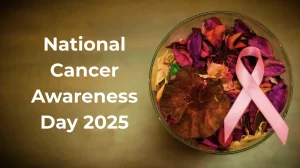
The program will begin in Ajmer and is meant to get to girls in all the states and Union Territories, with help from the country’s and the areas’ health systems. This is a major move in preventive health.
Country-Wide HPV Effort and Its Public Health Aims
The campaign is aimed at around 11.5 million 14-year-olds annually, showing a large commitment to public health. Authorities state the effort will make prevention, protection and fairness for young women stronger, and match with the country’s health priorities.
Cervical cancer is still a main cause of cancer deaths for women in India, with about 120,000 new cases and close to 80,000 deaths each year. Getting the vaccine before being exposed to the HPV types that are most dangerous can greatly lower the amount of cancer in the future and long-term health costs.
Vaccine Pick and Supply Partnership
India will be using Gardasil, a quadrivalent HPV vaccine which protects against HPV types 16 and 18 – the types that cause most cervical cancers – and types 6 and 11, which cause genital warts. Gardasil has a lot of safety and effectiveness data from being used around the world.
The Serum Institute of India will give the vaccine doses for the national start, helping to make sure there’s a steady supply. Buying from the centre with a major maker is meant to help with cold-chain logistics and regular giving out of the vaccine at government places.
How the Plan Will Be Done and Places to Get Shots
The health ministry said the campaign will be done with great energy for three months, with girls who qualify able to get the vaccine every day at government places that have been named. After the campaign time, the vaccine will be added to the usual vaccination times.
Places to get vaccinated will be primary health centres, community health centres, sub-district and district hospitals, and government medical colleges. Sessions will be watched over by medical officers who have been trained, and helped by skilled health teams.
Safety, How Well it Works, and a System to Watch Things
HPV vaccines have been given out around the world with good safety records; more than 500 million doses have been given since 2006. Scientific studies show it works very well in stopping cervical cancers caused by the HPV types the vaccine covers.
All places where shots are given will keep working cold chain points and link with 24/7 government health places to deal with any rare bad events after getting the vaccine. The program puts emphasis on giving informed agreement and taking part willingly, with permission from a parent or guardian being needed.
Help from the Medical Community and Getting the Public Involved
The Indian Medical Association has publicly said it supports the start and has offered help with training, watching things, and teaching the public. Medical groups will help tell people the clinical facts and deal with not wanting the vaccine among those who take care of people and communities.
Plans to make the public aware will include getting to people through community health workers, schools and digital platforms to explain the benefits and agreement procedures. Clear, factual messaging aims to build trust and get families to use the free vaccine service.
What is Expected to Happen and What’s Next
If the program is widely taken up, it could stop a large share of future cervical cancer cases in India, lower pressure on the health system and reduce deaths that can be avoided. Adding HPV vaccination to the usual times will keep protecting new groups of young people.
The government will watch how many people get the vaccine, safety signs and how well the program is doing to inform growing and always getting better. With leadership from the centre, a major supplier, and help from doctors, the action shows a way to get things done to stop cancer and help the health of young people.