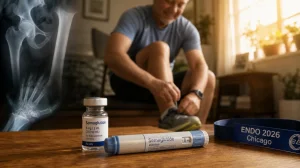
India quickly increased monitoring of GLP-1 drugs after many generic versions appeared, increasing inspections and enforcement. The Drugs Controller of India is now doing more to oversee things to stop unauthorized selling, advertising the drugs for uses they aren’t approved for, and people getting them when they need a doctor’s advice.
What prompted the crackdown
The patent on semaglutide (the active ingredient in Ozempic and Wegovy) has now ended, allowing a large number of cheaper, generic versions to be made. In fact, over 40 companies are preparing more than 50 different brands, and some are as low as 325 rupees a week.
Officials are worried that having cheaper and more readily available drugs will lead to people misusing them.
The drugs are appearing at all points in the distribution system-in regular pharmacies, on websites, with wholesalers, and at wellness centers. Using GLP-1 agonists without a doctor’s supervision, authorities warn, can cause severe health problems and give people a false sense of security about losing weight quickly.
The Health Ministry is clear that safety and access to these medications need to be balanced. Semaglutide and similar GLP-1 treatments are only approved for certain conditions and need careful starting, adjusting of the dose, and monitoring by doctors with the proper qualifications.
The enforcement playbook
Drug regulators are working with drug authorities in each state to check the pharmaceutical supply chain. In the last few weeks, they have examined 49 businesses in several areas, including warehouses for online pharmacies, drug wholesalers, pharmacies, and weight loss clinics.
These inspections looked for selling the drugs without permission, doctors prescribing them incorrectly, and advertising that is misleading. Businesses that have broken the rules have been sent notices. Officials say that surveillance will become even more thorough in the coming weeks and that businesses that don’t comply will have their licenses taken away, be fined, or be taken to court.
Ban on surrogate advertising and off-label promotion
On March t0, 2026, the regulator told all the manufacturers that they are not allowed to use “surrogate advertising” (advertising that implies something without saying it directly) or anything else that could mislead customers or encourage them to use the drugs for something they aren’t meant for. This is to make sure the advertising matches the approved uses of the drugs and doesn’t blur the line between medical treatment and something else.
Who can prescribe GLP-1 therapies in India
In India, the drugs are only approved for use with some restrictions. Only endocrinologists and internal medicine specialists can prescribe them, and in some cases, cardiologists can as well. The Health Ministry wants people to only use these GLP-1 weight loss drugs with the advice of a qualified doctor.
The most important thing is the safety of patients. Incorrect use, the wrong dose, or stopping the drugs suddenly can be dangerous. Doctors also say that the weight lost with these drugs can come back if you stop taking them, and emphasize that you need to make lasting changes to your lifestyle in addition to taking medicine.
Market dynamics and the public health backdrop
This stronger focus on policy comes because of how poor the country’s metabolic health is. In 2021, India had about 101 million people with diabetes, 136 million with prediabetes, and roughly 315 million with high blood pressure. Obesity is increasing rapidly, with around 180 million adults being overweight or obese and this number is expected to rise sharply by mid-century.
More and more children are affected, which will cause problems in the long term. This explains the large increase in demand for GLP-1 drugs. However, experts warn that these aren’t a quick fix. They require a doctor to examine you, slowly increase the dose, keep track of side effects, and combine the drugs with changes to your diet, exercise, and behavior.
The availability of many generic versions should make them more affordable. But lower prices could also lead to people incorrectly treating themselves if safeguards aren’t in place. This danger is why the government has a two-part plan: allow patients who qualify to get the drugs while tightly controlling how they are sold and advertised.
What patients, providers, and platforms should do next
Before starting GLP-1 treatment, patients should see a qualified doctor, tell them about their complete medical background, and take the dose prescribed. Any side effects should be reported right away and avoid buying from anywhere that doesn’t have a valid prescription. Long-term improvements to lifestyle are still the most important thing for lasting weight and metabolic health.
Doctors and pharmacists should confirm what the drug is for, check for anything that would make it unsafe for the patient, discuss what to expect, and keep a record of follow-up appointments. Pharmacies and websites need to be much better at checking prescriptions, stopping people from getting refills without being checked by a doctor, and removing anything that indirectly promotes the drugs.
Regulators have said that enforcement will continue and even expand. As more generic GLP-1 weight loss drugs come onto the market, the message is clear: following ethical practices in the supply chain and having a doctor supervise is absolutely essential. These treatments will only improve the health of the population as a whole if people have responsible access to them, not unlimited availability.