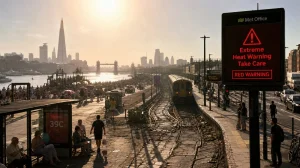
The National Weather Service has put out a warning for a dangerous spell of heat to take hold of the central and eastern U.S. from Tuesday through the 4th of July. When you factor in 100F (38C) and the kind of humidity that makes the heat index read even worse, you have a recipe for trouble with the kind of crowds you see at a holiday or a World Cup knockout game.
Heat risk escalates as crowds gather
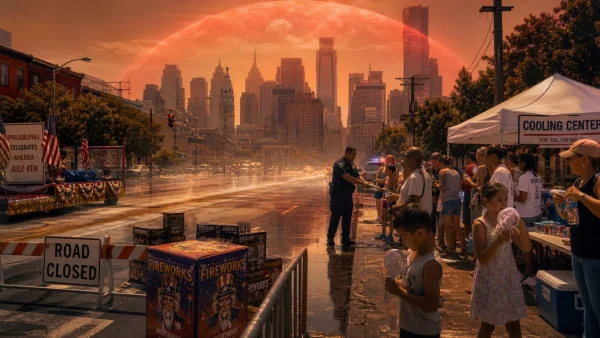
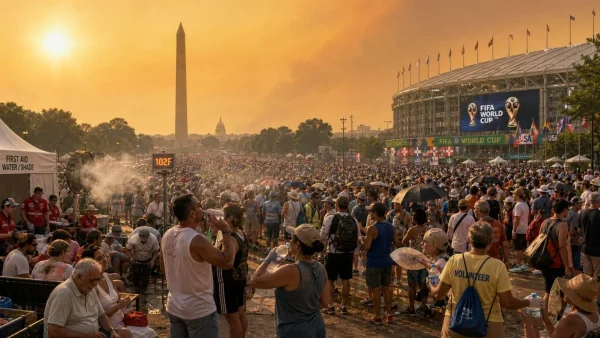
It’s no coincidence this is happening during the big Independence Day doings we have to mark 250 years of independence. In Washington, they’re putting on one of the biggest fireworks shows in town and you can bet tens of thousands will be out there for it, right in the thick of the afternoon sun.
If you’re a football fan, you’ll be in the same boat. Some of the World Cup’s must-see matches are on in a few cities and they are not going to be any cooler. That puts a bit of a strain on the people trying to keep order at the venues, as well as the spectators and volunteers on hand.
What the National Weather Service expects
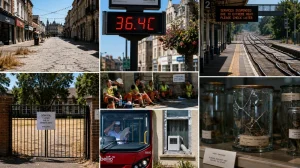
According to the forecasters, you will see highs in the triple digits across much of the country. And with the kind of stickiness in the air we’re due for, it will feel like even more. Don’t count on a reprieve when the sun goes down, either; in a lot of spots, the low will be in the mid- to upper-70s.
As of Sunday, some 130 million in the southern and Great Plains were already in the line of fire, so to speak. The NWS says that number is only going to grow as the week wears on and things get hotter.
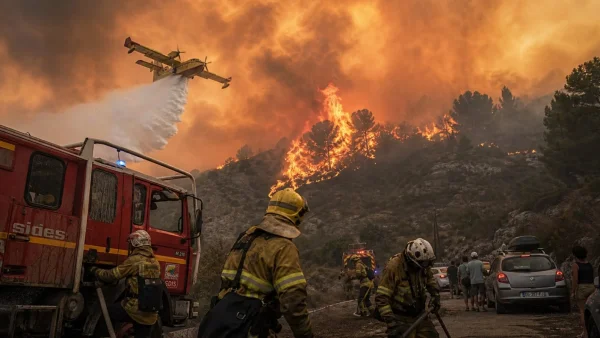
Some of the country was already running hot on Sunday. You had Phoenix, a good chunk of the Southwest and parts of central Texas in the 100s. Then you have the West, where officials are on edge over severe wildfire conditions with new blazes popping up and making life harder for communities and first responders.
Why overnight warmth raises danger
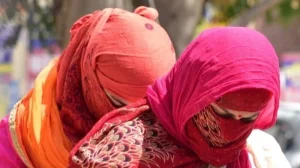
When the night doesn’t cool off, the health risks go up. A warm, still evening doesn’t give your body a chance to make up for what you went through in the day. It’s a concern for the elderly, for kids and for anyone with a pre-existing condition.
There have been some local chivvying to get ahead of it. ‘Drink water often. Limit time outside in the afternoon. Check on neighbours,’ one alert in Washington put it. It’s a reminder to take the easy, common-sense steps before you have to deal with something more serious.
Europe’s deadly warning
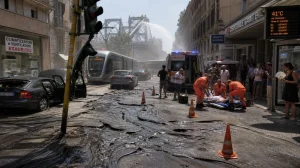
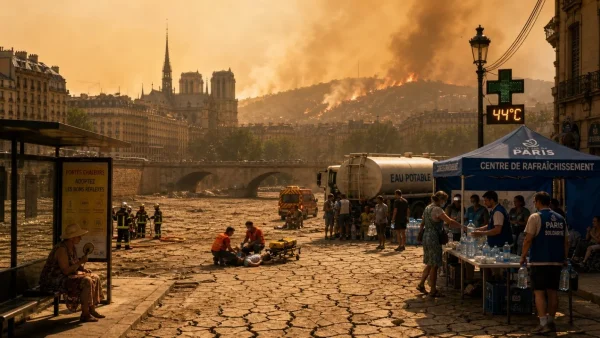
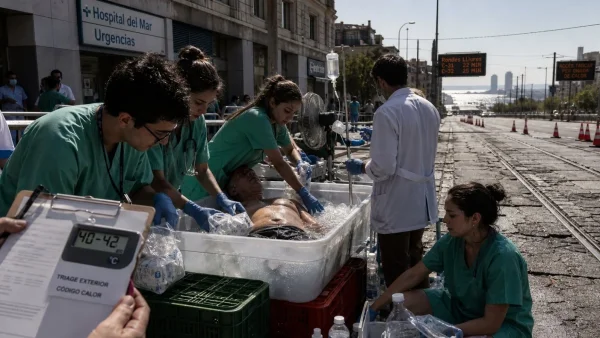
We are seeing this in the US after Europe was hit by a killer heatwave that put a strain on everything from power lines to public health. Since late June, authorities have tallied more than 1,300 excess deaths, some from being in an overheated car or a case of drowning.
You had record numbers in Germany, Poland and the Czech Republic. The Balkans were close to 40C and had to put out emergency warnings. In Ukraine, the heat has been a problem for an energy grid that was already in rough shape, leading to some forced outages.
What to do now
With the long days and warm nights, the message from those in charge is to be on guard. Here is what you need to be hearing from the advisories:
– Drink water often
– Don’t be out in the open in the afternoon if you can help it
– Check on neighbours
– Nights will be in the 70s
– The heat index can be higher than the actual temp
– Over 130 million in the zone of risk
That means some extra work for event planners and local types. With the fireworks and the football, they have to be ready to slow things down, put up some shade and be in touch with the latest on the weather.
For us on the ground, it’s a matter of being proactive. Do your errands when it’s a bit cooler, look out for the signs of heat stress and lend a hand to someone who might be in a vulnerable spot. It takes some of the load off the emergency services on what is the summer’s heaviest holiday.
All in all, we are in for a run of it. As the week goes on and the numbers tick up, the NWS is plain about it: get ahead of it, have some water and steer clear of the hottest part of the day so you don’t put yourself in harm’s way.