The reality of this has set in for the average buyer in Delhi. As of January 1, 2027, you won’t be able to register anything but an electric autorickshaw in the capital. Two-wheeler owners face the same from April 1, 2028. With the policy signed off and first-year subsidies on the table, time is running out for those looking at petrol or CNG.
Buyer checkpoints and deadlines
There are two hard lines that will dictate your next purchase. Any new auto-rickshaw registration after the 1st of January 2027 has to be electric. For the rest of us on two wheels, only electric models can be put on the road from April 1, 2028. The whole thing is set to go live on July 1, so the transition is going to be swift.
Here’s what you need to know in a nutshell:
– Only electric autorickshaws get registered from Jan 1, 2027
– From April 1, 2028, it’s electric two-wheelers only
– The policy is in effect from July 1
– A Rs 30,000 subsidy for electric two-wheelers in year one
– Rs 50,000 off an electric three-wheeler in year one
– Put in a BS-IV four-wheeler for scrap and you get Rs 1 lakh
– Four years of investment totalling Rs 15,000 crore
– 95% of new sign-ups to be electric come 2027
What you can save in year one
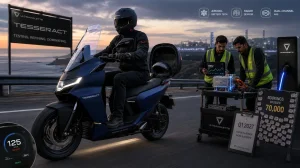
In an effort to get people on board, the government is putting up a Rs 30,000 for every electric two-wheeler you put down in the first year. If you’re in the market for an electric three-wheeler, you’ll see a Rs 50,000 break – no small matter for a commercial operator.
Then there’s the Rs 1 lakh for parting with an old BS-IV car. It’s a good nudge for families who are trying to figure out if they should keep an aging vehicle or make the jump to an EV.
Why hybrids are off the table
You might have been counting on a 50% road tax write-off for a hybrid under Rs 30 lakh, but that didn’t happen. Word from officials is that there is nothing for hybrids, not a subsidy, not a tax break. They want you to go all-in on electric, not some in-between tech.
It puts an end to any dilly-dallying. If a hybrid was your plan B, Delhi’s stance is clear: go for a pure EV or don’t buy here.
How the rollout is planned
The Delhi Cabinet has put together an EV Policy 2.0 that is as much about mandates as it is about the carrot. The goal is to have 95% of new vehicles be electric by 2027. Chief Minister Rekha Gupta has put her stamp on a Rs 15,000 crore outlay over the next four years to make it happen.
They are phasing it in for a reason. The authorities figure this gives everyone – from the factory to the fleet owner to you – time to get used to it while the city puts down more charging points. Down the line, you should have more options and better support when the date comes around.
What to watch next
July 1 is when the policy is due to start, with the fine print to come. We should be seeing how the money for subsidies is handed out, what the process is for writing off a BS-IV, and when commercial fleets have to comply.
Until then, the math is easy. The first-year incentives make an EV a better deal for an auto or two-wheeler, and with the coming ban on non-electric registrations, you may as well get ahead of it.