In a directive from June 29, 2026, the curbs on commercial sales are being called off, a sign of how sure we are of our home-grown fuel stock. For a while, we had to put some emergency limits in order to steady the ship after some trouble in West Asia made for a bumpy ride in the markets.
Why the U-turn?
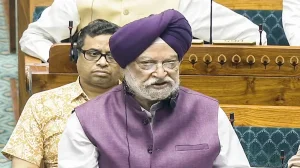
The petroleum ministry has been clear: the rules in June were only meant to be a stopgap so your average motorist could get by while the world’s energy trade was in disarray. They’ve made it a point to say there is no shortage; these were ways to put a lid on black marketing and hoarding.
Then you had a change in how people were buying. Big ticket consumers – from industry to institutions – started to do their shopping at the pump instead of where they should, to make up for the difference in price. The ministry put it at about Rs 40 a litre for retail diesel over the bulk kind.
You can see the effect it had: public sector outlets were dealing with a lopsided kind of demand, and private oil companies saw their numbers go down. Since things have calmed, the government figures there is no need for those brakes any more.
So what’s different come July 1?
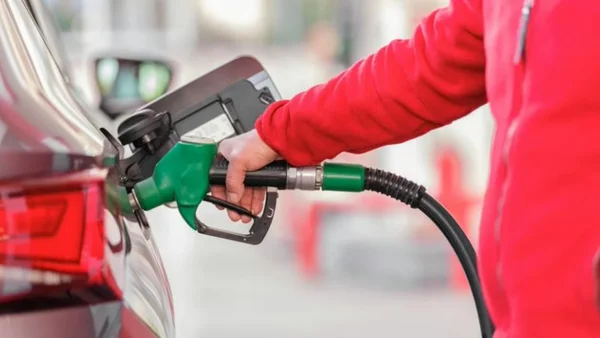
For one, you won’t be told how much you can put in the tank if you’re a commercial user. The 200-litre a day cap on diesel for a customer or vehicle is done and dusted, as is the ban on industrial and commercial types buying at the pump.
All of this was under the Motor Spirit and High-Speed Diesel (Temporary Regulation of Supply through Retail Outlets) Order, 2026, which was put on the table on June 12. It was good for 90 days, but we are pulling it back starting July 1.
This is what goes back to the way it was:
– Any commercial buyer can top up at a retail outlet
– You won’t find a daily limit on diesel at the pump
How it plays out in the market
Back in June, the government had to step in because of what it called a siphoning of business from the bulk side to the cheaper stuff at the counter, and it was putting a strain on the public sector. If you look at the numbers for May 2026, 327 districts had a 10 percent or more jump in diesel at PSU OMCs, with 80 of them up by 30 percent or more from the year before.
The private side of the coin was a different story. With their prices a bit higher, they saw high-speed diesel sales in May 2026 fall by 58 percent. It was a case of how the cost of bulk and industrial supplies, still in line with the rest of the world, was moving the needle on demand.
Now the government is opening the door again for the operators and users who were put in a tight spot. It might also put to rest some of the talk of hoarding and unauthorised re-selling that we heard in June.
Behind the rules
When the order was in force, Indian Oil, Bharat Petroleum and Hindustan Petroleum had to make sure diesel only went into a vehicle or a PESO-approved can. Selling on what you bought at the outlet was off the table, and the onus was on the OMCs and dealers to see to it.
We asked the state and UT governments to put a stop to any shenanigans like black marketing under the Essential Commodities Act. The ministry was at pains to point out this wasn’t rationing.
Making sure we have enough
Even with the going-ons in West Asia, the public sector OMCs have been taking a hit of some Rs 500 crore a day on petrol, diesel and LPG to make sure the consumer is looked after. And they say our supply lines have not wavered.
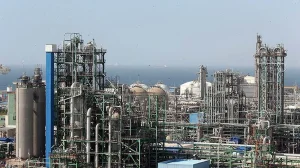
We are still the fourth biggest refiner and fifth in exports of refined products in the world, the ministry says. With the new order of June 29, 2026, the emergency is over as of July 1, and we are back to a normal way of doing business for our commercial buyers.