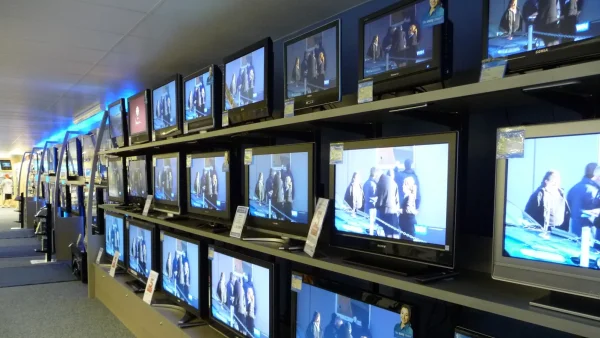
The Indian television industry is once again in the spotlight after a draft set of broadcasting regulations triggered concerns among broadcasters, cable operators, and industry observers.
The proposal, released by the Ministry of Information and Broadcasting for public consultation, has started a wider discussion about how future regulatory changes could affect traditional television services, including cable TV and Direct-to-Home (DTH) platforms.
While the government has said the objective is to update and streamline the broadcasting framework, some stakeholders believe the proposed changes could increase compliance costs for service providers.
Why Is the TV Industry Worried?
Television broadcasters and distributors argue that additional regulatory or licensing costs, if introduced, may eventually translate into higher operating expenses.
Some industry representatives have expressed concerns that increased costs could place additional pressure on an industry already facing competition from digital streaming platforms and mobile entertainment.
An Industry Already Under Pressure
Traditional television has been losing viewers to smartphones, OTT platforms, and social media.
Families that once planned their evenings around TV schedules are increasingly choosing on-demand content on mobile devices.
The shift has been gradual, but significant.
For many viewers today, the remote control has been replaced by a touchscreen.
What Could Change?
Industry stakeholders are debating how the draft rules, if implemented in their current form, might affect the broadcasting ecosystem.
Key Concerns Being Raised
Increased compliance requirements for broadcasters.
Higher operational costs for cable and DTH providers.
Possible impact on subscription prices for consumers.
Financial pressure on smaller cable operators.
At this stage, these concerns represent industry viewpoints regarding the draft proposal. The final impact would depend on the rules ultimately adopted and how they are implemented.
Draft Rules Are Still Under Consultation
It is important to note that the proposal remains a draft.
Draft regulations typically undergo a consultation process, during which broadcasters, industry associations, experts, and members of the public can provide feedback before any final decision is made.
As a result, the final rules may differ from the current proposal.
The Bigger Picture: TV vs. The Smartphone
The television industry has been navigating rapid changes in viewing habits for years.
Streaming platforms, short-form video apps, and mobile internet have transformed how audiences consume entertainment.
The Real Competition Isn’t Just Regulation
For many consumers, the biggest competitor to television isn’t another TV channel—it’s the smartphone.
Whether it’s movies, sports, news, or live events, viewers now have more choices than ever before.
Industry experts say broadcasters are increasingly adapting by expanding into digital platforms alongside traditional television.
What Happens Next?
The draft proposal has opened an important conversation about the future of broadcasting in India.
As consultations continue, the industry, policymakers, and consumers will be watching closely to understand what the final regulations look like and how they could shape the television landscape.
Until then, the debate is likely to continue—both inside boardrooms and across living rooms.