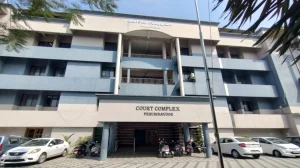
The court said Mahanta’s account was unfrozen for ‘technical reasons’ and this isn’t about whether or not he’s guilty, it’s about fixing a problem with the process.
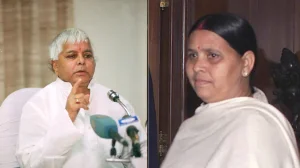
Zubeen Garg’s wife, Garima Saikia Garg, and his sister were at the hearing and both were disappointed, calling it ‘bad news’. They said this outcome is because of the procedure and a technical detail.
Charge consideration set for March 19
The court has scheduled March 19th to look at the charges. This is when they’ll decide which charges, if any, will actually be presented at the trial. Ziaul Kamar, the Special Public Prosecutor, says the prosecution is ready, and this 'charge consideration‘ is where the investigation turns into presenting evidence in court.
He also said the defense can still make requests to the court, and while he has criticized attempts to slow things down in the past, he stresses that the law applies equally to everyone.
Access to case records and rejected petition
The court said no to Siddharth Sharma’s request for a copy of the Singapore Police report about Zubeen Garg’s death. Kamar said the Assam Police already has the important information from it.
Sharma will be allowed to look at those police materials in Guwahati from March t0th to 12th, between 2 and 4 PM. This is a normal way to allow the defense to review the evidence before the charges are considered.
Property attachment and financial safeguards
Sharma asked for a block on his Guwahati apartment to be lifted. The court said he can use the apartment if he gives the police a bank guarantee of 16 lakh rupees. Investigators say that’s how much money was wrongly taken from Zubeen Garg and used to buy the apartment.
Mahabir Aqua, a bottled water company that Sharma co-owns, is also part of the same court’s schedule for March 19th. This is a separate issue relating to suspected problems with the company’s finances, but it’s happening at the same time as the main case.
Family reaction and fast-track court question
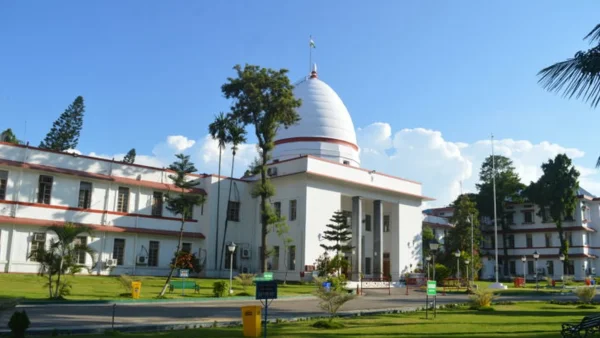
Garima Saikia Garg hopes a promised fast-track court will speed up the case, though she isn’t sure if that plan is happening. Kamar said setting up a fast-track court is between the government and the Gauhati High Court.
He says a fast-track court would probably make things go faster, but important legal protections wouldn’t be removed. Both sides will probably continue to make requests to the court as the case goes on.
Background and investigation timeline
Zubeen Garg, a very popular Indian singer and songwriter, died on September 19th last year while swimming near Lazarus Island in Singapore. He was in Singapore for the fourth North East India Festival. The Coroner’s Court in Singapore said he drowned because he was very drunk and said there was no evidence of anyone else being involved.
A Special Investigation Team from the Criminal Investigation Department in Assam investigated the circumstances of his death. In December, the SIT filed charges, including murder, against some of the people accused. This led to the current steps before the trial.
Who is accused and where the case stands
Those accused include Shyamkanu Mahanta (the head of the NEIF), Siddharth Sharma (his manager), Shekhar Jyoti Goswami and Amrit Prabha Mahanta (band members), Sandipan Garg (Zubeen Garg’s cousin and a police officer who has been suspended), and Nandeswar Bora and Prabin Baishya (Zubeen Garg’s security). Some of them are still in jail as the case moves towards the March 19th charge consideration hearing.
What the latest orders mean for the case
The fact that Mahanta’s account has been unfrozen doesn’t mean the financial investigation is over, or that anyone is being favored. It simply shows the court is focusing on the correct procedures while the important questions will be discussed on March 19th.
Unfreezing Mahanta’s account because of a ‘technical mistake’ shows how complicated it is to deal with money during an investigation. These orders often depend on following all the rules exactly. If the rules aren’t followed, the court can undo things that have been done, without deciding if the accusations are true.
The court has chosen to give the defense supervised access to the Assam Police’s records, instead of giving them the Singapore Police report directly. This is an attempt to be open and transparent while also maintaining control over important documents. It lets the defense get ready for the hearing, and ensures the evidence remains secure.
Next steps and implications for stakeholders
Everyone will be watching on March 19th, when the court considers the charges and decides how the trial will go. For the prosecution, this date is the end of months of investigation by the CID’s SIT. For the defense, it’s a chance to argue against the charges and see if the evidence is sound.
For Zubeen Garg’s family and fans, these developments are a small but definite step forward. Even though some of the court’s decisions might be disappointing, the case now has a clear timeline and the court has said it’s ready to proceed according to the law.
As the case continues, it will be important to find a balance between following all the legal procedures and getting justice in a reasonable amount of time. The court’s recent decisions about money and access to documents show it is committed to both.