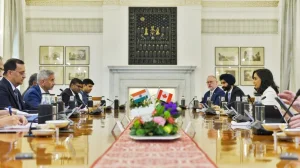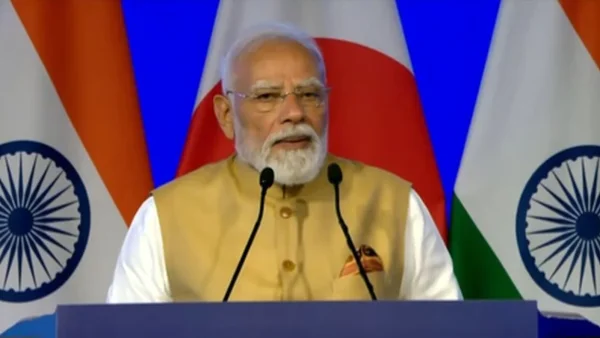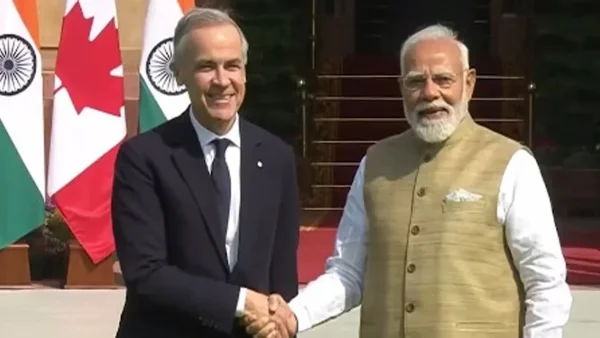
Meeting in New Delhi, the two leaders set the $50 billion trade target for 2030 and moved talks on the comprehensive economic partnership agreement forward, and also announced a significant agreement for Canada to give India uranium for a long time.
Trade Goal: $50 Billion by 2030
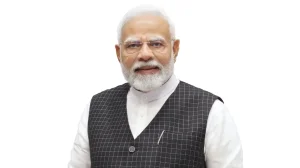
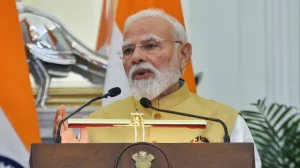
Modi stated that India and Canada are looking to make their trade connections better, and have a common aim: $50 billion in trade, going both ways, by 2030. This effort is based on a comprehensive economic partnership agreement which will soon be finished, and is meant to cut down on trade problems, make it easier to get into markets, and help investment in both nations.
The leaders have now agreed on what the CEPA will cover, and this puts the people who are negotiating it on a quicker track, and gives businesses a clearer idea of what the rules will be. Modi also pointed out that Canadian pension funds have already put $100 billion into India, which shows they have faith in how quickly India is growing.
CEPA Focus and Investment Signs
A modern CEPA would probably deal with goods and services, digital trade, and how regulations work together. It could also make getting approval for things simpler, and lower the costs for businesses to follow the rules. The amount of money Canadian groups have invested gives a solid financial base to increase activity in areas from buildings and infrastructure to renewable energy.
Civil Nuclear Power: Long-Term Uranium Supply
New work on energy took the main place. India and Canada made a long-term agreement to supply uranium, to help India’s civil nuclear power and make sure it has energy. Carney said the wider energy plan between the two countries includes a CAD$2.6 billion part for uranium, seeing it as part of a plan to get more dependable, low-carbon power.
The two countries will work on small modular reactors and new nuclear technologies. This fits with India’s aim to get more firm, clean power, and with Canada’s skill in technology and uranium resources. The deal gives India a sure supply of fuel, and makes chances for Canada to export and innovate.
SMRs and New Reactors Included
Small modular reactors could help India meet the basic needs of industry, be put into grids that have more and more renewable energy, and cut down on how long it takes to build. Work on new reactors opens the way for joint research and development, safety rules, and building supply lines, supporting nuclear power as a long-term answer to climate change.
Clean Power, Important Minerals, and Grid Growth
Work on clean power was made wider than just nuclear. The two sides announced a partnership on important minerals – a key link for battery metals and rare earths which are important for electric cars, storing power, and electronics. Canada’s resources and India’s ability to make things can speed up strong, clear supply lines.
Canada will join the International Solar Alliance and the Global Biofuel Alliance, increasing work on using solar power and sustainable fuels. India and Canada will also together hold an India-Canada Renewable Energy and Storage Summit this year to help projects in wind, solar, hydrogen, and storing power on a large scale.
Carney said Canada plans to double its power grid by 2050, and India could be part of that growth through equipment, services, and joint businesses. These steps line up climate aims with industrial growth, making chances in power equipment, smart grids, and energy services.
Safety, Sea, and Anti-Terror Work
Besides economics, Modi and Carney agreed to make links in defense production stronger, and make working together on sea safety better. Both leaders stressed they were worried about terrorism, extremism, and radicalization, calling them dangers to world peace. More working together in operations and links in defense industry are going to follow.
These moves also help wider peace in the Indo-Pacific. Knowing what is going on at sea, supply routes that can take a lot, and joint training can help make sure trade routes are safe and stop crime on the sea.
Education, Culture, and Links Between People
Carney stressed that links between people and culture are the most important part of the relationship. New partnerships between Indian and Canadian universities will cover artificial intelligence, health, farming, and new ideas. Canada will let its universities open campuses in India, making access and joint research wider.
The two governments signed a memorandum of understanding to make cultural exchanges deeper, seeing the part that native and tribal groups play in shared histories. More moving of students and cultural programs will make trust stronger, flow of skilled people, and long-term work together.
From Problems to a Real Plan
Recent years have put the relationship to the test, but both governments now seem to be aiming for a real, looking-forward plan. The mix of trade targets, CEPA getting on, being sure of nuclear fuel, and clean power partnerships suggests a lasting base for growth.
If carried out, this plan could lift India-Canada trade, make energy safer, and help climate aims while making defense, education, and culture work together more. The message from New Delhi was clear: line up values, unlock investment, and turn strategic aim into results you can measure by 2030.