Following air strikes that were linked to problems with Iran, Israel shut all the ways into Gaza. Because fuel and food aren’t coming in by truck, people who work for the local government are saying that hospitals, water, and people who have had to leave their homes could be affected in only a few days. There is no date when the crossings will open.
Border Closures and What Happens Right Away
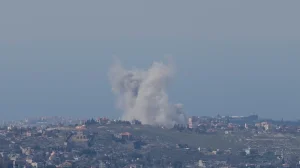
After saying that it had done joint air strikes with the United States, Israeli officials closed the Gaza crossings, and said they could not be kept safe while fighting was going on. No time has been given for when they might be opened.
Gaza nearly always depends on trucks from Israel and Egypt to bring in fuel and goods. When these stops, the very weak systems for getting things to people in the area quickly break down, and basic services and aid are at once in danger.
Fuel Shortages and the Danger to Hospitals and Services
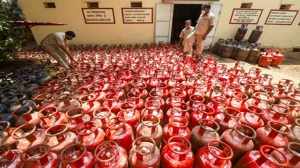
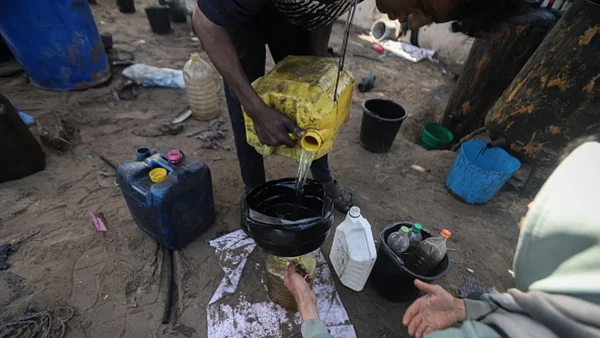
Aid workers say that there are now only days’ worth of fuel in Gaza. A United Nations person in charge of giving out fuel said that what is left might last only a couple of days. People in local aid groups thought that some supplies would last three to four days.
If the power generators stop working, hospitals won’t be able to run intensive care, operating rooms, and ways to make things sterile. Fuel is also needed for pumping water and cleaning sewage, so shortages could very quickly cause a health crisis for the public.
Food Supplies and Worry About Helping People
Besides fuel, supplies of vegetables, flour, and other foods people eat often could quickly become very low. Most Palestinians in Gaza are still living in the area after a long conflict, and a lot of them need aid to eat each day. Aid groups are warning that if crossings are restricted, already small amounts of food will become even smaller.
People who live there are afraid that the bad shortages that followed earlier times when aid was blocked will come back. The memory of long times when people had no food and were very hungry still affects how communities get ready for and deal with new closures.
How Things are Logistically and in Terms of Politics
A military group from Israel that is in charge of access to Gaza said that enough food had been delivered since a truce in October to feed the people for a long time. The group would not say anything about how much fuel there was, or how long any shortages would probably last.
The truce in October had been part of a wider plan, backed by the U.S., that included opening the Rafah crossing with Egypt, increasing aid, and at last rebuilding. New problems in the area and military actions that had to do with Iran have made those plans harder, and brought back disagreements about safety and giving people aid.
What is Likely to Happen and What Countries Are Doing
If crossings stay closed for more than a few days, people who give aid expect that hospitals, water systems, and people’s ability to stay alive will be badly stressed. Aid groups say they need safe and certain ways for fuel and food to get through, to stop living conditions from getting worse.
In the next few days, diplomacy and getting things organized will be important. Countries that work together and groups that give aid can ask for short stops in fighting, or safe ways to travel, but getting things done needs clear promises of safety and quick action.
Short-term steps include giving fuel to medical centres, water companies, and waste management first. Long-term stability will depend on getting back regular access and rebuilding transport and supply networks that can deal with political problems.
The situation is still changing. People who work for the local government and aid workers are asking for quicker, more certain access to stop a slide from shortages into a full humanitarian emergency. Because a large part of the people have left their homes, even short stops in supplies have a very large effect on health and what people deserve.