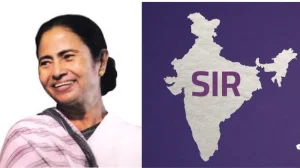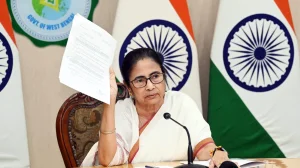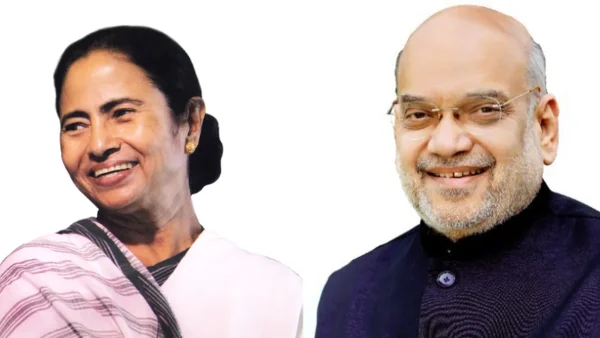
Banerjee stated that the Election Commission had ‘on purpose taken off legitimate voters’ and labelled the act both awful and cruel. She said this was done to change the result of the vote before the West Bengal assembly elections, probably in April.
Banerjee’s accusations and planned protest
She said she would protest by sitting in public from March 6th, to draw attention to what she called the taking away of voters’ rights, and to demand someone be held responsible. Banerjee also made it clear she was sure of her own chances in the election, saying she would win even if only one voter was left in her Bhabanipur area.
Post-SIR numbers and how many voters were removed
The Election Commission’s post-SIR rolls showed 6,366,000 voters had been removed – around 8.3 per cent of the state’s voters – bringing the total number of voters down to just over 70.4 million. A further 6,006,000 voters were put into an ‘being looked at’ group, while their details were checked.
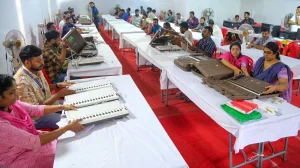
Officials have said that the SIR process is the biggest change to the voter lists in West Bengal since 2002, and has affected a number of areas and groups of people. The amount and speed of the removals has caused people in the administration and in politics to question what is happening in voting areas across the state.
What the BJP said and the ‘illegal entry’ story
Leaders of the BJP said the new lists proved what they had been saying for a long time about people entering the country illegally. They said the SIR process had shown up problems and that better border controls and rules about who could become a citizen should be a key aim in the election.
The BJP made it clear there was a difference between people who had entered the country illegally and people from certain groups who were refugees, in order to reassure some voters. People in the party also linked the changes to the lists to their wider campaign themes of law and order, and changes to the way the state was run.
How the numbers affect the vote and which groups of people are involved
The SIR changes have especially affected the Matua area in North 24 Parganas, Nadia, and parts of north Bengal, where leaders of the community say large numbers of voters are being removed from the lists, or are being put in the ‘being looked at’ group. If this is true, it could affect 40-50 seats in the assembly.
People who work on election plans have said that an 8.3 per cent removal of voters in a state with closely fought seats could change the result in local areas, and make voters worried. Both parties are likely to do more work to reach voters and take legal action in areas where large numbers of names have been taken off the lists.
What happens next: legal options, checking, and the administration watching over things
With over 6 million voters 'being looked at‘, the main thing now will be the ways voters are checked and what options there are for a judge to look at the cases. The parties will probably make legal claims, write petitions to the courts, and make requests to the Election Commission to get names put back on the lists.
The Election Commission must also seem fair while it looks at requests to put names back on and hears appeals. Clear times, telling the public what the rules are for removing names, and easy ways to get names added back will be very important in order to reduce tension before the vote.
Conclusion
The release of the post-SIR rolls has put voter registration and citizenship at the centre of politics in West Bengal. Accusations of an 'EC-BJP connection‘, claims against illegal entry, and a large number of voters ‘being looked at’ all together create a difficult situation before the election. How the authorities balance quickly fixing the lists with being fair in the process will affect both how many people vote and how much trust there is in the coming assembly elections.