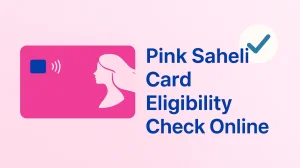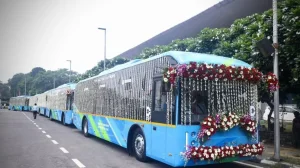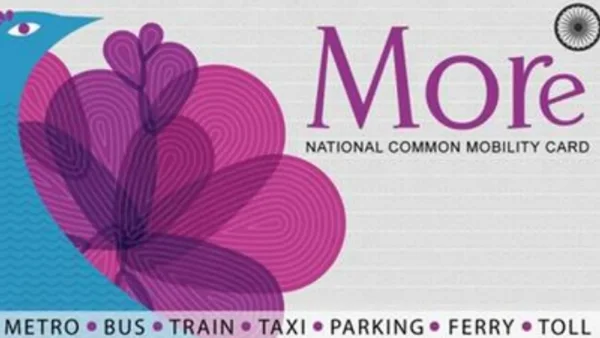
The Pink NCMC is a contactless smart card to take the place of the pink paper tickets currently used for free rides on Delhi Transport Corporation buses. It also works as a regular National Common Mobility Card, letting people pay for travel on the Delhi Metro, the Regional Rapid Transit System, and other transport that’s connected.
The card is meant to make getting around easy and without touching anything, and also to create a digital record of each trip. It will connect to the city’s automatic fare collection, and help make it easier to see how much money is coming in and to plan services.
Who can have one, and how to get it
The program is for women who live in Delhi. Each Pink card will be linked to the person getting it’s Aadhaar number and the mobile phone number they have registered, to check age, gender, and that they live in the area. The card will be given away for nothing, with the Delhi government paying for it.
Around 50 places to get a card will open in the city, including offices of district and sub-divisional magistrates and some DTC bus garages. People in charge have said there won’t be much paperwork and the checking will be easy, to make it simple to sign up.
How the card will work on Delhi transport
On DTC and cluster buses, women who are allowed to, can use the Pink smart card for journeys that don’t cost anything – the system will check they’re allowed to when they get on. If they are paying, the same card will work like an NCMC, taking money from services like the Metro and RRTS, or letting them add money for other public transport.
Using one card for everything means people don’t need so many tickets, getting on is faster, and it supports the trend of not touching things to pay. It also lets officials collect information on travel in real time, which they can use to make routes and times better.
How it will work, and when it will be available
The first stage will be Pink and Blue cards, with an Orange card for people who buy monthly passes coming later. The Delhi Transport Corporation has said Hindon Mercantile Limited (MufinPay) and Airtel Payments Bank Limited can give out the cards and connect them to the systems that are already there.
Places to get a card will be in public offices that are easy to get to, and at some bus garages, to reach people in all parts of the city. The government will pay for the cards to be made and sent out, to make it easier for women with little money.
What’s expected to happen, and what this means for policy
The pink smart card ought to lower the cost of travelling to and from work for women, and make things safer by letting them travel without touching anything. Being able to get better information about how many people are using the transport can help make decisions about what to do, and make public transport better all over the city.
The card is being started at the same time as two other big welfare plans: two free gas cylinders a year for families with ration cards, and the Delhi Lakhpati Bitiya Yojana – a bigger money-transfer plan which puts a sum of money into a girl child’s name in stages, so that by the time she’s 21 it has grown to over Rs 1 lakh. All together, these steps are meant to put technology and money help together to make social welfare and movement for women in Delhi better.