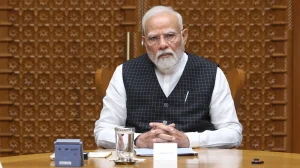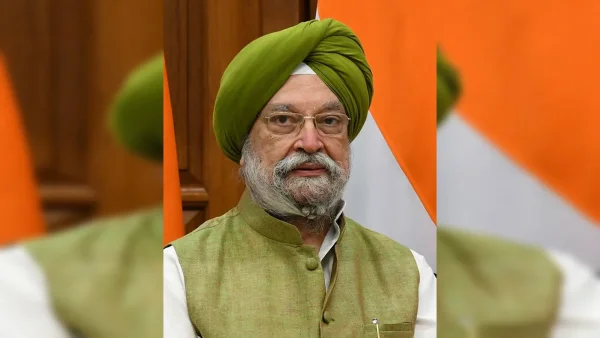
Mr. Puri – the Petroleum Minister – has repeated that India does not have an energy shortage, and people shouldn’t be concerned. He put this assurance on X, making clear that the government wants to give people fuel that is both affordable and will keep going. This came after the public became anxious about supplies because of issues around the world.
Official statements about fuel being available
The minister made the point that energy imports haven’t been stopped, even with the problems in world politics. He said supplies are still good, and that energy users have no reason to be alarmed. This public statement is meant to calm the markets, and to give households and companies confidence about fuel being available in the near future.
The state oil companies agreed with the minister, saying that reports on social media about shortages of petrol and diesel were without a basis in fact. IndianOil asked people not to panic or fill up stations with people, and to get their information from official sources. The company said that stocks and the ways fuel is sent out are working normally.
A wide range of where imports come from, and how crude oil has been recently
India has gotten a much wider variety of crude oil in the last few years. Russia only made up 0.2% of India’s crude oil imports in 2022, but after that its share went up a lot. Sources in the government say that in February India imported about 20% of its crude oil from Russia – around 1.04 million barrels a day.
People who make policy say getting supplies from a lot of places makes the country less at risk from problems in certain areas. Officials have noted that India has access to more supplies than the amount that could be affected by issues through the Strait of Hormuz. This is a help to keeping up the refining of oil, and making products available across the country.
What’s being done with LPG, and new places to get it
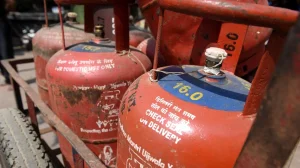
Regarding LPG, officials have told oil plants to increase production so there’s enough of it across the country. Officials report that LPG stocks are in a good state, and that it’s still being sent out without issues. These actions are meant to stop short-term pressure on fuel for cooking in homes.
Also, Indian oil companies that are public sector signed a one-year deal in November 2025 to import around 2.2 million tonnes a year of LPG from the US Gulf Coast for the year 2026. Supplies from the United States started in January, adding to the variety of where supplies come from, and making the country more able to deal with problems in certain areas.
Keeping an eye on places in the sea where things could be blocked, and planning for what could happen
The government says it’s watching closely what’s going on around places in the sea where ships could be stopped, like the Strait of Hormuz. Officials are prepared to increase supplies from other areas if needed, to make up for any issues. It’s been decided that the amount of crude oil and fuel products the country already has is enough to meet what people in the country need for the near future.
Planning for what might happen includes quick actions in the short term, and longer-term changes to how things are done. People who make policy are balancing being able to import things quickly in the short term, with investments that increase how much oil the country can refine, and how much it can store. This mix reduces the chance of sudden problems with supplies.
What people should do, and what this means for the markets
Officials are telling people to not buy fuel in a panic, and to follow official updates. Giving the public clear information helps prevent short-term increases in demand which could put pressure on the ways fuel is sent out. Right now, the signals from the market don’t show that there are shortages that will last, and statements from the industry show that things are working normally.
From the point of view of policy, the focus is still on fuel that is affordable and will last, while making energy security stronger. Getting imports from a lot of places, getting more LPG, and actively watching risks in world politics make up the basis of the government’s plan. For people and companies, the message is still the same: there’s enough fuel, and officials are dealing with risks.