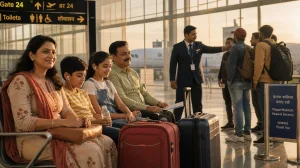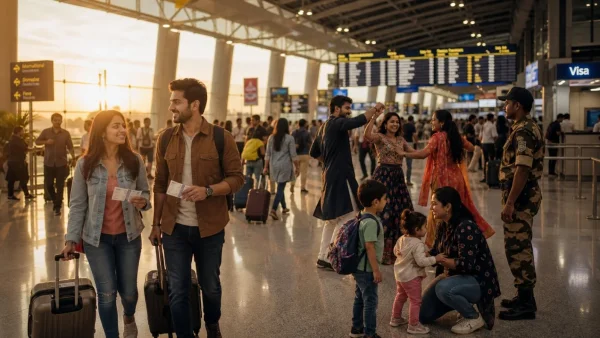
You can find Indians in every plane and on every itinerary these days, but there is also a certain amount of flak they have to put up with. Be it a garba video at the terminal or a quip about theplas in a rucksack, the internet’s version of events runs head-on into hard policy. Case in point: Thailand has made Indians pay for their Visa-on-Arrival again. So what is the story here?
The new spotlight on Indian tourists
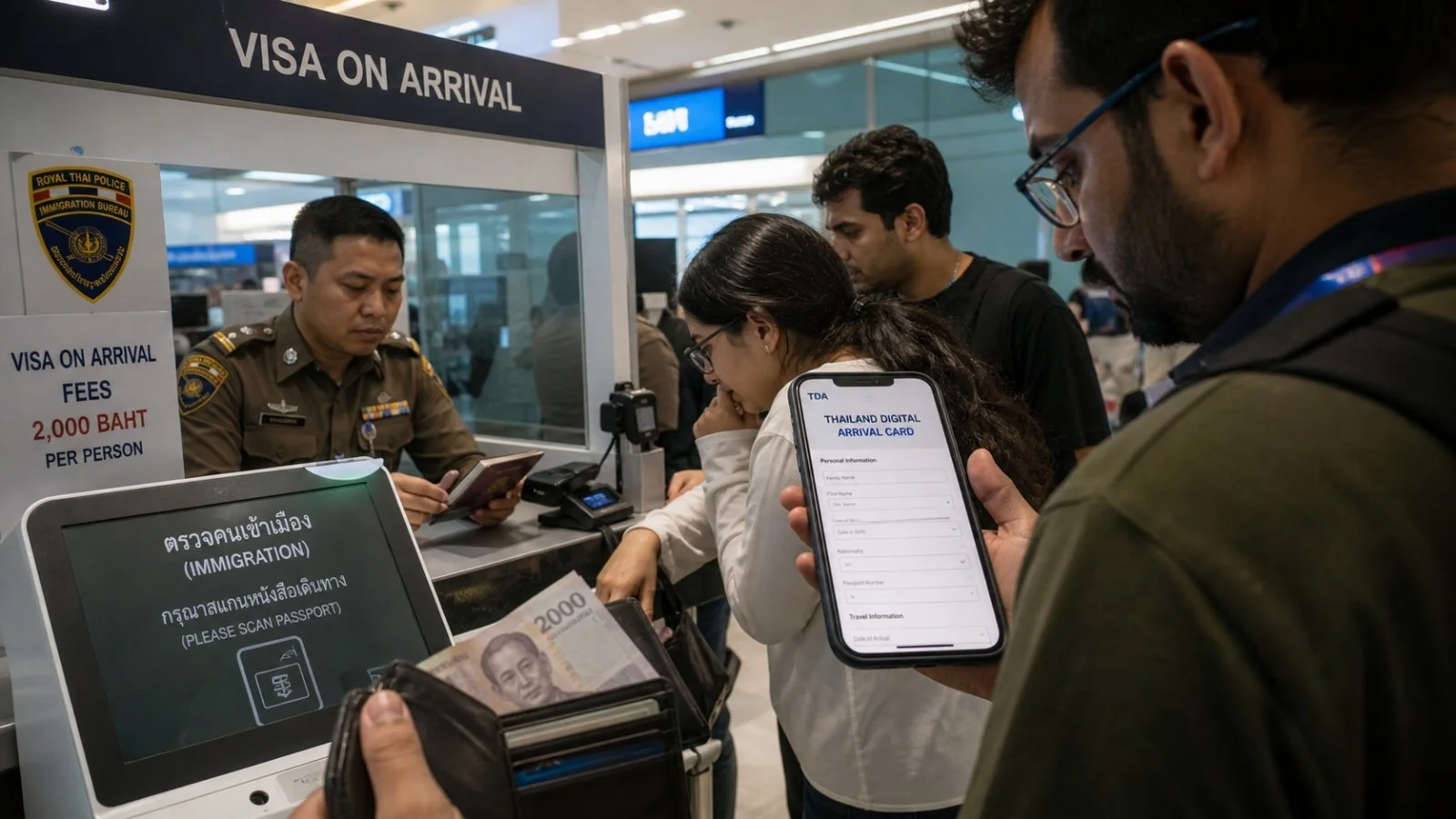
One change in policy put a fine point on the matter. Thailand has done away with the 60-day visa-free deal it had with 93 nations, India included, and put in place a paid Visa-on-Arrival with a few extra steps at the border.
Now you have to come up with 2,000 Thai Baht (in the 5,500-6,000 range) and fill out the Thailand Digital Arrival Card. The authorities say it has to do with people overstaying, working without permission and other such infractions.
It is a curious time to make a move when the numbers are so good. The Mastercard Economics Institute puts India in the top tier of fast-growing outbound markets in its 2025 report. And the Tourism Authority of Thailand will tell you they had over 2.1 million of us in 2024 alone.
You see the same thing in tourism everywhere. A place wants your money and some order, and when the hordes come in, immigration gets a little more hands-on. The most noticeable group tends to take the heat.
How viral videos hijacked the narrative
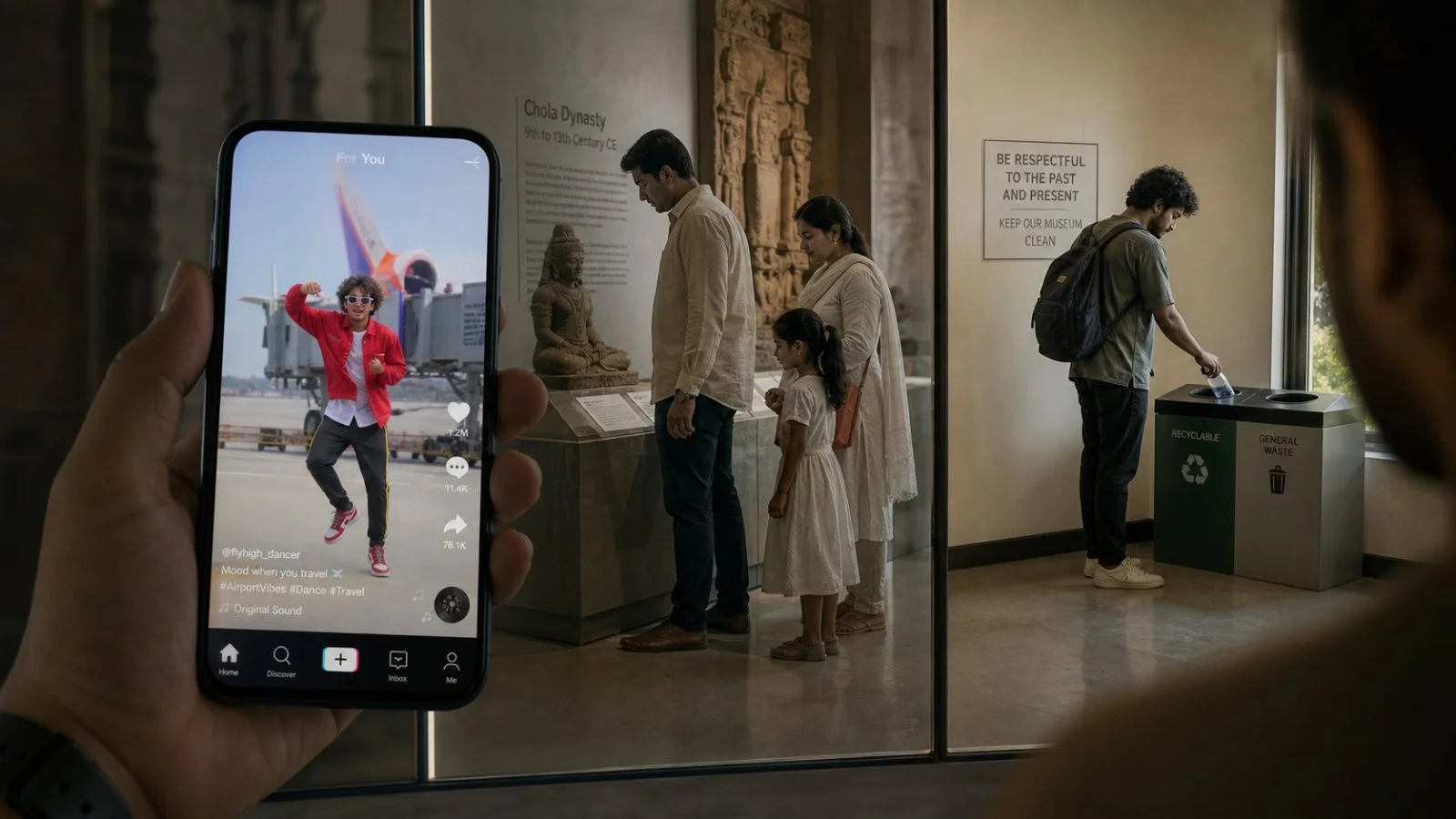
If you put any faith in your feed, you would think we have no manners when we leave the country. There was the video of some folks in Vietnam putting on a garba next to a jet. Or the running gags on reels about being too loud or lugging theplas up a mountain.
Prathap Nair, a journalist who has been in Germany for some time, doesn’t buy it. He has found the average Indian in Europe to be courteous and by-the-book. What you see trending is the exception, not the rule, in his view.
Then again, social media is drawn to the oddity. You don’t get much of a reaction for standing in line or minding your business at a temple. An impromptu dance at the airport? That is another story.
Why Indians feel singled out
Sumir Nagar, a behavioural specialist, has been around the block. The Japanese were the ones with the bad rap in the 80s; the Chinese in the 2000s and 10s. It is our turn to be in the crosshairs now.
And he makes a stinging case for why. A German acting up by the pool is just that – a person. Do the same as an Indian and, as he puts it, you are seen as a type.
Folklore, fairness and the global mirror
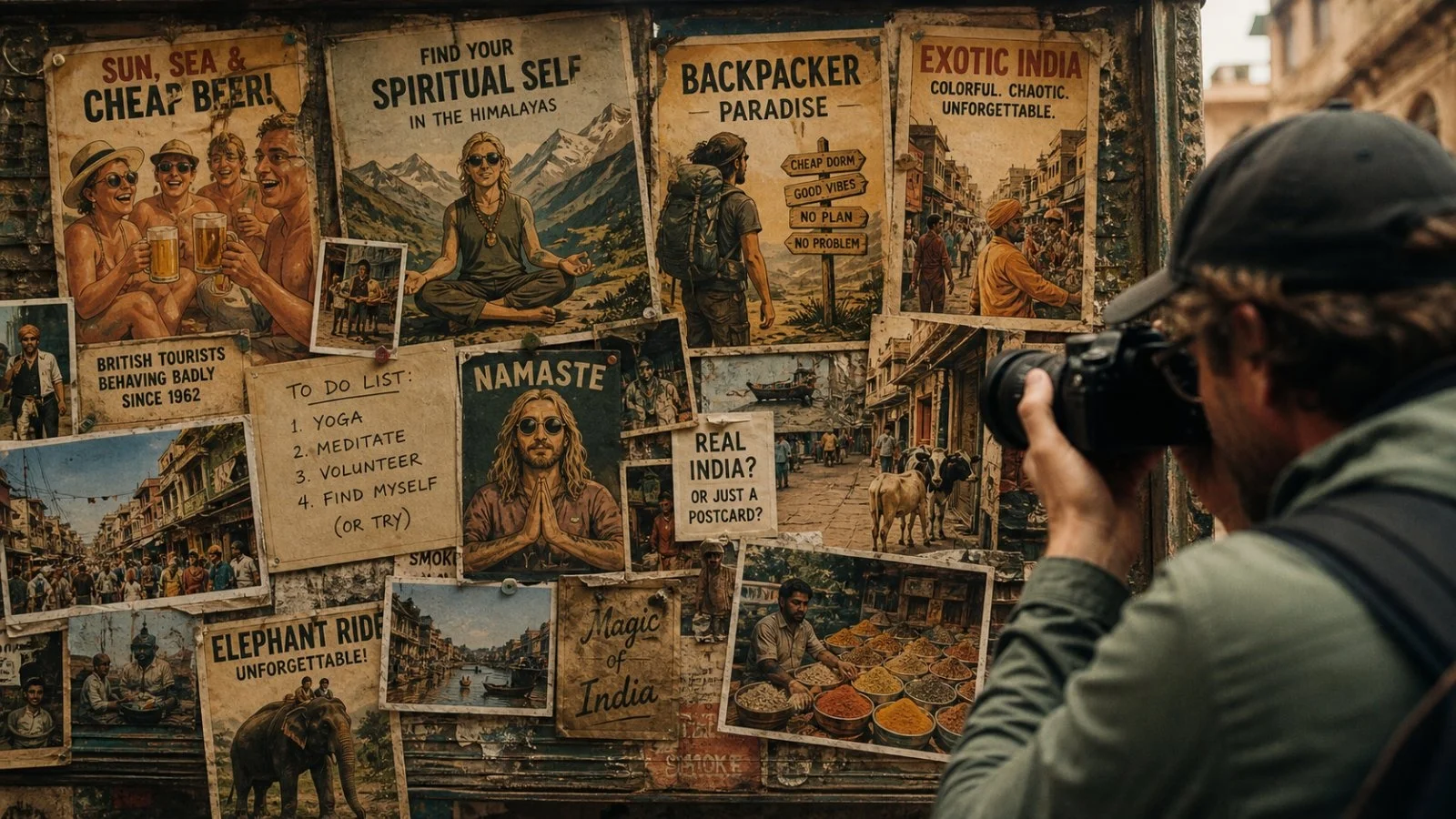
Pranav Sharma, in the hotel business, can recall the open book of European opinion. Places from Spain to Greece to Thailand have a history with young Brits who turn a weekend into a drinking contest. Prague, Budapest, Riga and the like are used to it.
Every circuit has its lore. You have your Israelis in the hills of India, your Brits on the coast. It is the kind of tale that sticks to a big enough crowd of visitors.
What is new, in Pranav’s eyes, is how fast a bit of exuberance at a gate or a snack on a peak is turned into a national character flaw. He thinks the response is a bit much for what it is.
Industry reality check: what destinations actually see
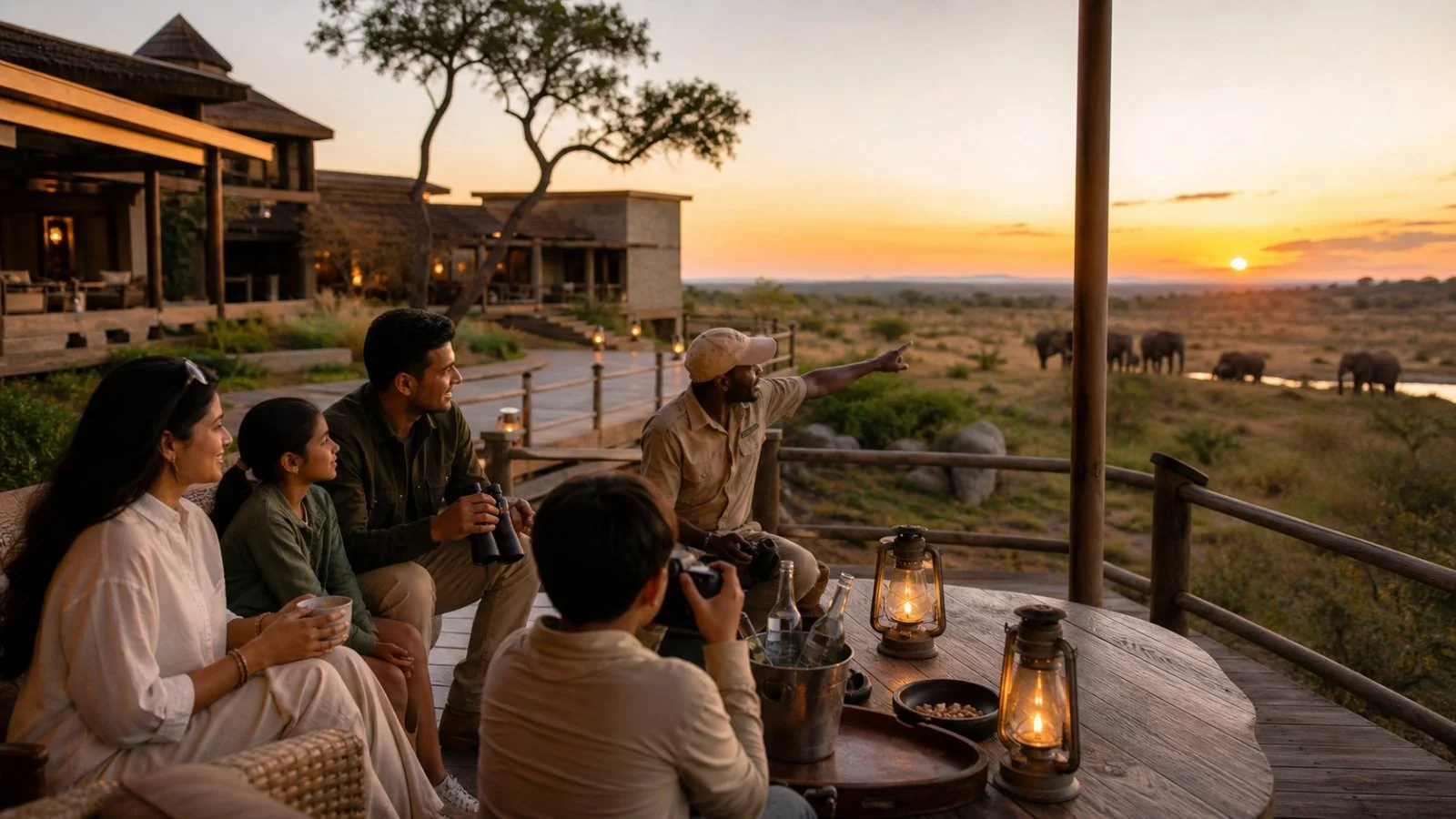
Forget the memes for a moment and look at the books. South African Tourism has India in its top 10. They had close to 70,000 of us in 2025, and 82,500-plus between January 2025 and March 2026.
Gcobani Mancotywa of South African Tourism says it is the wildlife, the food and the culture that have us coming back. Trips with some depth to them, not just to be said you were there.
Keyur Joshi, an entrepreneur, sees a wide gap between the Twitter noise and the bottom line. At times, India has put out 30 million or so on international trips a year, with spending in excess of US$40 billion (nearly 3,798 crore) in foreign lands.
For him, it is not only about the volume anymore. It is a value proposition. Indian travel has put on a different face.
It’s not a matter of making fewer trips, but of making them count – with money to be had for the kind of luxury, fine dining and adventure that you can’t put a price on.
The gap between what we see and what we buy
Airlines and tourism boards don’t make plans in a huff. A viral video is a day’s irritation; a market that is growing and has more to spend is something you build your strategy around for years. That’s the draw for destinations looking to win over Indian travellers, even if they put a few new rules in place here and there.
Etiquette, class and the habits we carry
You have an IT consultant from Bengaluru who will tell you the real friction comes down to hierarchy. “We are a country of status,” he’ll say. Some of those unspoken rules come with us when we go, and they colour how we view a room or a line.
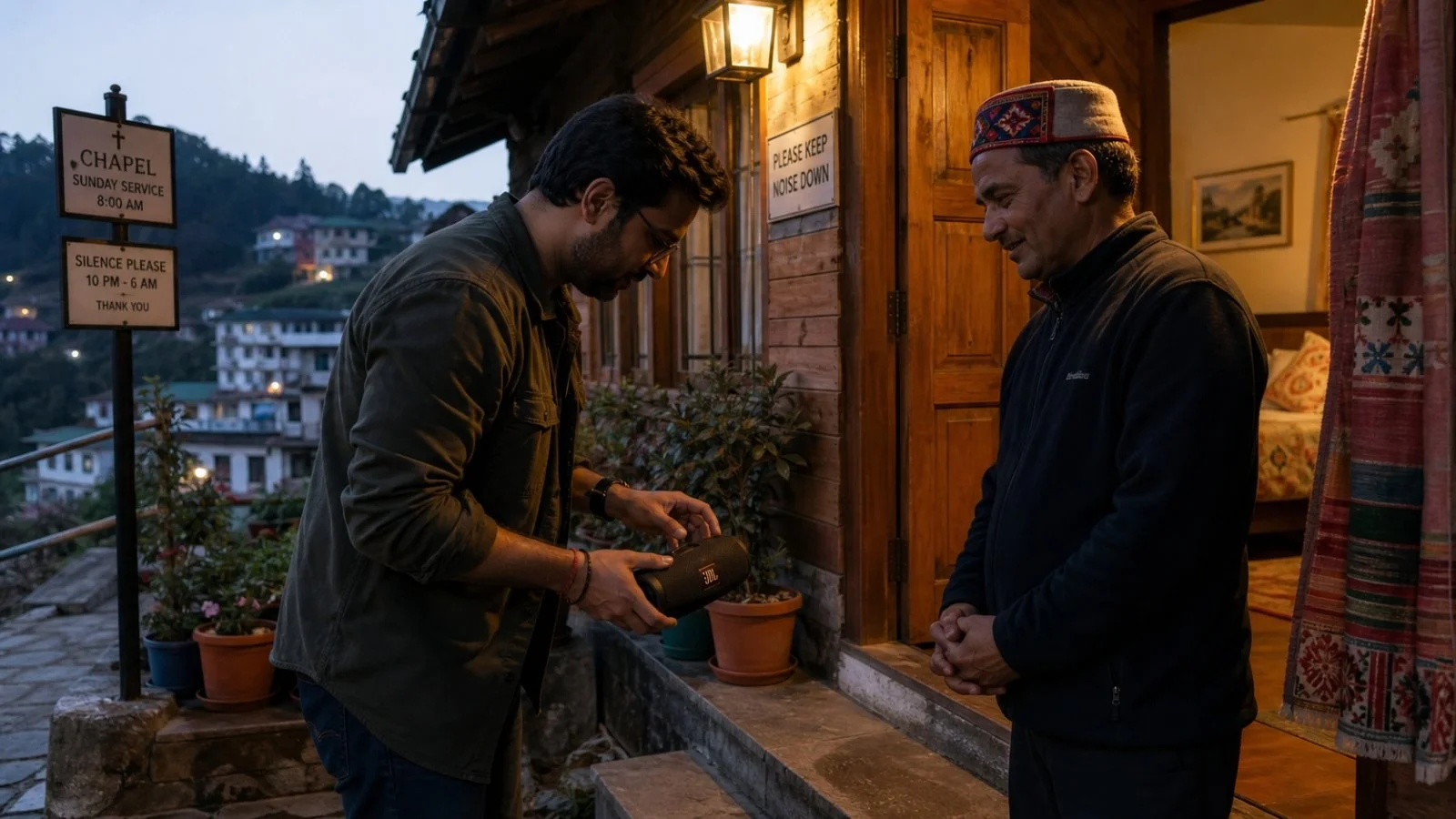
He’s seen it at home, too. Hoteliers in the hills will have a word with some of their city-folk guests about turning the music down in a quiet town. It’s not just a foreign problem.
Then there is where you are. In Europe or the U.S., people tend to be on top of the rules. Go to some of Southeast Asia where a holiday is a bit more of a no-fuss affair, and you may run into a type who feels they are owed something. But don’t make of it a habit: for the most part, people are fine.
Mansi Shah, a journalist in Mumbai, puts it in a different light. She was in Georgia on a family trip and saw a guest from West Asia barge in front of a queue. No one made a film of it. “If he were Indian, you can bet it would have been all over the place as evidence of our manners,” she says.
She thinks the reaction to these things is out of whack. The whole kerfuffle over the airport garba, for instance, was less of a diplomatic row and more of a case of lashing out at ourselves.
Rahul Jagtiani, who is in the business of luxury travel, points to the numbers. You pack 1.4 billion people into a certain amount of room and you lose a little of your sensitivity for public quiet. He doesn’t think shaming is the answer. It is about being aware and having a reset in your head for a new setting.
What a destination wants, and what you can do
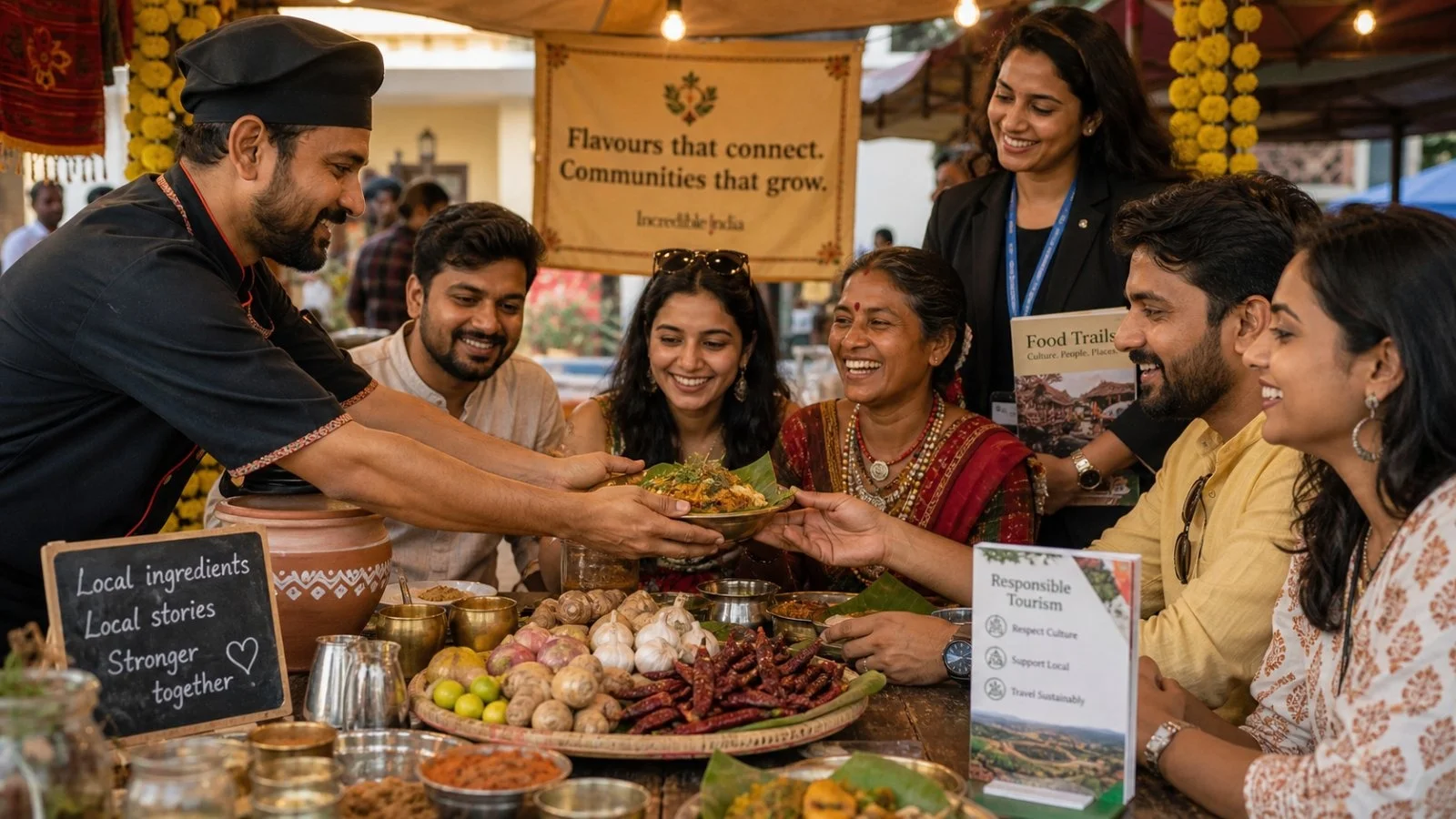
Under all the talk, there is a simple fact: most Indians are upstanding and most places want to have them. If you ask the people in hospitality, they like the interest in their food and wildlife. The figures speak for themselves.
But you still have to put in the work to fit in. Whether you’re from here or anywhere else, you owe it to the locals to be considerate of the space and the way they do things. That is the point of travelling in the first place.
Some of the hard facts in this debate:
– Thailand has put India back on the 2,000 Baht Visa-on-Arrival.
– Social media is good at making a mountain out of a molehill.
– We are seeing a wave of outbound travel from India, in Asia and further afield.
– The industry is after the Indian trip that has some heft to it.
– As a market grows, so do the old stereotypes.
– Minding local customs is on all of us.
The bigger picture
The web is set up to put on a show. The travel trade is in the business of dependability. When you look past the clips of the loudest moments, you see that the average Indian is out there for the slow travel, the community tours, the real stuff.
And the policy side of it is not black and white. Nations will tinker with visas as the numbers go up. It can feel like a slight, but it is usually just housekeeping.

Where we go from here
You will have two things happening at once. Online, a bit of bad form or a celebration gone too far will get some heat. In the real world, airlines are putting on more seats and hotels are rethinking their offerings.
The ones who will write the next page are already on the road. They are the ones with the time and the money to put into a place, and they are done with the postcard version of a trip.
That is what is really going on. A market of this size is quick to learn. We are here with an appetite for experiences and we are doing it right. The best way to put the naysayers in their place is to keep on with it.
Let there be a dance at the gate once in a while. What matters is how you conduct yourself. The rest is just noise.