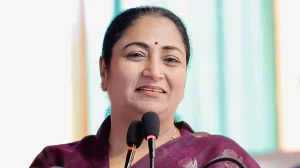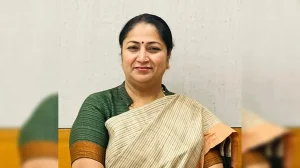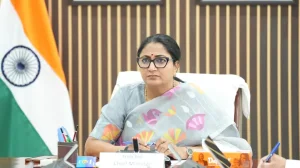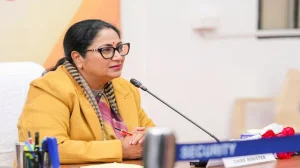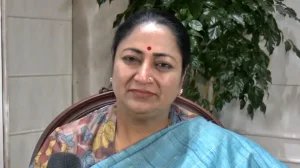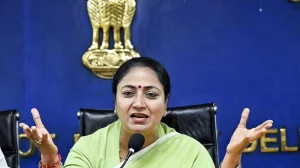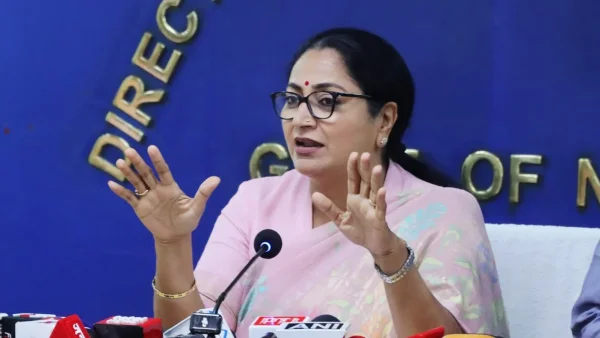
Come June 14th, you can expect a no-nonsense clean-up to be in full swing. Under the watch of Chief Minister Rekha Gupta, the drive will make its way to 28 ghats. We’re asking for a strong showing from the people starting at 6:00 a.m. – a show of urgency for a river that is as much an ecological and cultural lifeline for Delhi as anything else.
Citywide action on the riverbanks
This is meant to be a city-wide, all-at-once kind of thing, not just for show. According to officials, we’ll have a mix of housekeeping and awareness-raising going on in several places to make sure the concern we have for the river translates into something the community will stick with.
Leadership on the ground
For CM Rekha Gupta, the Yamuna is a common inheritance, so she has made it a point that this is everyone’s job, not just one department’s. You don’t get a clean river with a day’s worth of effort; it takes follow-through and people to make it happen.
You’ll find Gupta at the Geeta Colony Ghat (Thokar No. 14) with a few thousand volunteers. The administration is counting on some 500 or so social, religious and other organisations to get their members out there and make an impact.
There are some big names to be seen around town. Harsh Malhotra, the Union Minister of State, will be at Yamuna Bank. Parvesh Sahib Singh, our Water Minister, is to be at Hathi Ghat by the ITO Old Railway Bridge. Then there’s Environment Minister Sardar Manjinder Singh Sirsa at Thokar No. 13, and Development and Tourism Minister Kapil Mishra at Zero Pushta Shri Radha Krishna Ghat.
Vijender Gupta, the Speaker, is headed to the Eastern Bank downstream of the Old Railway Bridge, while Deputy Speaker Mohan Singh Bisht will be at Dedh Pushta in Sonia Vihar. On the Western side of the Signature Bridge, you can expect to see Social Welfare Minister Ravinder Indraj Singh. Health Minister Pankaj Kumar Singh will be up at the Old Railway Bridge on the upstream Eastern Bank.
Previous gains and political context
We are in a good position to do this because of what we put in place last year with ‘Meri Yamuna, Mera Kartavya’. We had thousands of hands on deck and got rid of over 12 tonnes of waste in a proper way. It was a case in point for how the government and the public can put some numbers to the change they want to see.
Rekha Gupta has been making the connection between this and the Prime Minister’s Swachh Bharat, with a focus on the role the public has to play in keeping the environment in order. When the BJP was courting voters for the Assembly elections last year, a clean Yamuna was high on its list of promises. Now in power, the government is making a point of this, framing it as part of a bigger, long-term effort.
The scope of the work
You will see activity all over the city. Some of the more well-known spots are Nizamuddin Ghat, Ram Ghat, and the West Bank’s Kartavya Kunj. There will be teams at Kali, Shyam, Kunderiya and Nigam Bodh ghats, as well as the Wazirabad Yamuna Biodiversity Park and the Railway Bridge bank.
Then there is the rest: ITO (both upstream and downstream), Chilla Village, Purana Lohe Pul, the Signature Bridge-Wazirabad side, and a host of others from Kalindi Kunj to Sarai Kale Khan. In short, we’re covering 28 ghats in one go.
How and when it works
We start at 6 a.m. to make the most of the cooler part of the day. The idea is to put up a show of force with that many locations active at once, so people in the neighbourhood can see what’s happening and get on board.
More than a day in the sun
It’s about having some staying power after Sunday is done. A little maintenance now can go a long way in preserving the floodplains and the life in them.
A word to the residents
For Delhi, the Yamuna is more than a waterway; it’s who we are. When you look at it as heritage, the job changes. City Hall figures that if we can build up public involvement, these kinds of drives will be easier to put on in the future. We want to move from the odd clean-up to a way of life where every time you come to the river, you do the right thing.
So how do we know we’ve made an impact? Not by the number of trash bags we fill, but by how many of you take the message back home.
The plan for June 14 is simple. Come to the ghat nearest you for an hour. Make the pledge. Let’s turn this from a story in the papers into something the community owns.
This isn’t just about picking up what’s already on the ground. We want to nudge some old habits into line. At the ghats you’ll be asked to make a no-nonsense pledge to stop the pollution where it starts. Here’s what we’re asking of you:
– Put an end to immersing idols, garlands and the like
– Leave the polythene and single-use plastic behind
– Don’t make the river your bin for clothes or other refuse
– Be a good example and keep the banks in order