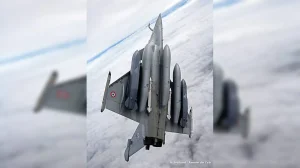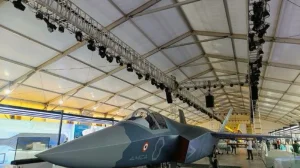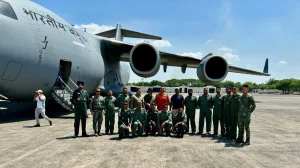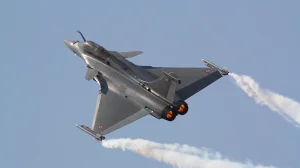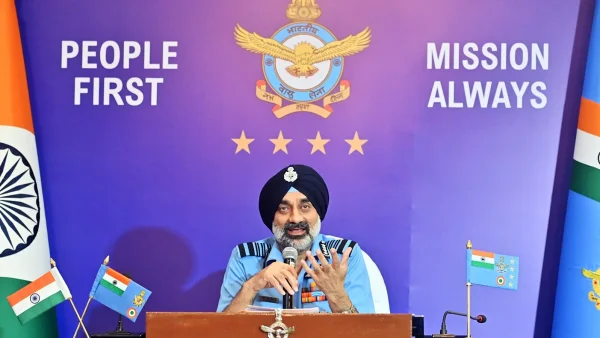
What was once a matter of form is now high-level diplomacy for India’s most far-reaching fighter programme. Air Chief Marshal AP Singh has set out for a three-day stay in France starting 1st June. With a Letter of Request for 114 Rafales in hand, New Delhi is making a case to move the estimated 34 billion euro transaction along faster.
It is no coincidence that he is going when he is. The IAF is short on squadrons and there is a desire to build up some steam before the G7 and perhaps a stop by PM Narendra Modi in France. You could call it a show of urgency, one that ushers in a make-or-break period for this procurement.
Of the 114 on the table, close to 90 are to be put together in India in a joint effort with Dassault Aviation. The first 24 will come from France, ready to go. If you ask people in the industry, they’ll tell you local build-outs could see 50% of the content be Indian, which is no small thing for the aerospace sector here.
Talks pivot from intent to execution
Word is the LoR will be with the French in a matter of weeks, and that will put Paris on the spot to give a straight answer on cost, what is in stock and how they will back us up. Once we have that, the real haggling can begin and we can put out a Request for Proposal to put the project in a competitive frame.
The Defence Acquisition Council has given its nod to the IAF for the Rafales. After we work out the terms, it is up to the Cabinet Committee on Security to put the final stamp on it. But the IAF chief is in Paris to try and put some pressure on the clock for all of this.
On his itinerary, AP Singh will be sitting down with folks from Dassault and MBDA. It is a chance to put some flesh on the bones of what may be one of the biggest fighter deals in the world, with an eye on how and when these things will be delivered.
Industrial strategy drives the deal
Make in India is the backbone of the whole Rafale plan. We want to put nearly 90 of them together locally to put down deeper roots in the supply chain, have the means to do our own upkeep and get some of those manufacturing know-hows into the wider industry.
Getting 24 of them in fly-away shape is to cover our bases for now. The rest, being built in India, will put the weight of production on our side while we keep the fleet running for the long haul.
Technology access is the sticking point
We are looking for more of an open door when it comes to technology, specifically to be able to fit our own weapons and kit to the Rafale. People in the know are talking about the Astra and the BrahMos-NG as the ones we want to see on board.
France has been amenable. President Macron made it clear earlier in the year that our wish to co-produce and handle more of the maintenance is a ‘legitimate’ one. That is a sign they are willing to put in the work for more local content.
Why it matters for capability and competition
This is about keeping squadron levels steady and making sure we are in good shape for the 2040-2050 mark. As Macron has put it, India’s need for top-tier combat aviation is only going to be more pronounced in the years to come.
Then there is the way we do business. By using the LoR to go through Foreign Military Sales or an Intergovernmental Agreement, we are taking the safer route for a deal of this size and complexity.
In the next few weeks, here is what to have your eye on:
– India putting the LoR in the mail to France
– How Paris comes back on the price and support side
– A formal RFP being put in play
What comes next
When the French get back to us on the LoR, we will be in talks over the finer points of cost and sustainment. That will determine the pace of delivery and how fast we can put those first 24 in the air to even things out for the IAF.
If we get to where we say we will with 114 of them, it is a big step for India-France defence relations. More importantly, it cements a lot of the production and after-sales in India, making this as much about building an industrial base as it is about buying planes.