Tehran says the strike in Beirut has left the current round of peace talks for dead. The top Iranian negotiator put it bluntly: the United States is either not up to or not willing to make good on what it has put on the line. Those words have put a question mark over the deal being haggled over and made everyone wonder about the US side of the equation.
Diplomacy jolted by Beirut strike
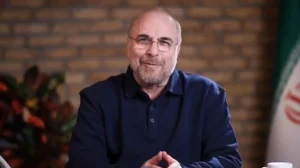
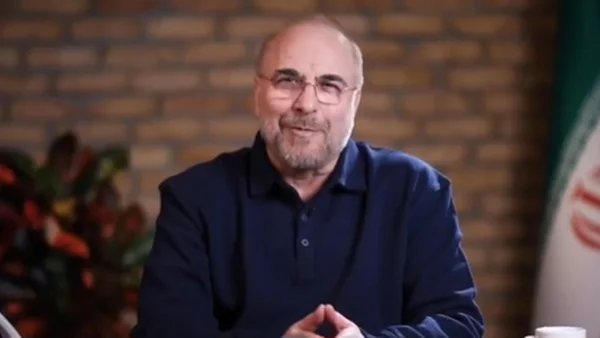
Mohammad Baqer Ghalibaf, Iran’s chief at the negotiating table, took to X to say the attack on Dahieh was proof that Washington doesn’t have the mettle to see its promises through. In his view, there is no use in talking if you don’t deliver.
‘The Zionists’ aggression in Dahieh has shown us once more that the US is short on will or ability when it comes to its word,’ he wrote. ‘If you can’t or won’t do what you say, then let’s not even talk about going forward.’
Credibility gap and negotiating leverage
What you have in Ghalibaf’s post is a change of tone, from how we do things to what they mean. He has made it clear that if the US is to be believed, it has to fix the damage done by this strike before there is any moving on.
Here is what you have been hearing from the other side since the strike:
– Iran’s take is that the US can’t be counted on
– A military man says the attacks will be met with a response
– The spokesman: we’re not signing on Sunday, but could be later in the week
Timeline and mediation efforts
You would have thought the US-Iran accord was set for a signature on Sunday, but the latest spate of hostilities and hard talk have put that to the test. Then again, Esmaeil Baqaei of the foreign ministry said as much yesterday, though he left the door open: ‘We can’t rule out something in the next few days.’
State media in Iran has it that they are making their terms known in Washington. One diplomat in the know says a Qatari delegation was in town on Sunday to see if they can help put a final stamp on it.
Military warnings raise stakes
There is no room for error now. Brigadier General Mohammad Jafar Asadi, second in command of the IRGC, made that plain to Defa Press after the Beirut incident. ‘These crimes will not be left to stand,’ he said.
That kind of talk takes away some of the wiggle room. With the pressure on, the negotiators have less leeway and more to lose if the US doesn’t show it is playing by the same rules.
Sticking points cited by Tehran
Then there is the matter of the Strait of Hormuz. Tehran is holding its ground, but the US has made it a point to say that won’t fly. It is a case in point for why these maritime and energy issues are at the heart of the matter, not some afterthought.
On Friday, Foreign Minister Abbas Araghchi said the proposal on the table meant an end to the US naval cordon. As for the enriched uranium, he said, ‘you dilute it right here in Iran and you have your answer.’
So where do we go from here? It is up to Washington to put to rest the doubts Ghalibaf has raised and to keep the fallout in check. If the Qataris can put some solid guarantees on the table, the window for a deal might still be there. Otherwise, as the Iranians have let on, we could be looking at a standstill.