What was once on paper is now a head-to-head. The Ministry has handed RFPs for the AMCA to Tata Advanced Systems, the L&T-BEL team and Bharat Forge-BEML. It is a clear sign that the IAF is looking for a private-sector push to get a stealth platform in the hands of its pilots and make home-grown aerospace more of a force to be with.
Why this RFP changes the game for India’s fighter strategy
The government is pitting three private outfits against one another to see how they handle a complex programme. “It’s a no-nonsense step towards an indigenous stealth jet,” say defence sources, who see it as a vote of confidence in what the private side can do when it comes to rapid prototyping. The Aeronautical Development Agency will be in charge, working with industry on a level playing field. You won’t find Hindustan Aeronautics on the shortlist for the prototype, which is a departure from how we have done things in the past with frontline fighters.
The three-way tussle: what is at stake for the bidders
Tata, Bharat Forge-BEML and the Larsen and Toubro-Bharat Electronics Limited pairing are in for a contest to be named the prime partner. The one that comes out on top will be in with the ADA to put together five AMCA prototypes and secure a hand in one of the country’s crown jewels of a project. But for the suppliers, it is about more than the fuselage. There is a lot to be made in systems, avionics, sensors and the like over the next few decades. A win here cements your place in the ecosystem and builds up the kind of know-how you can take to the export market.
On the numbers, the budget and Andhra Pradesh
We are talking an indicative Rs 15,000 crore for the prototype work. As for where it happens, the new Core Integration and Flight Testing Centre in Puttaparthi, Andhra Pradesh, is being put in place for some Rs 2,000 crore to house the assembly and testing. Officials figure the centre will be up and running in a year or so, with 2032 as the date to have the prototypes in the air. To put a pin in it, the Defence Minister and the AP Chief Minister put spades to the ground on May 15 to get the ball rolling on the AMCA and other home-made platforms. A rundown of the main points from the file: – RFPs have gone to the three in the running – Prototype tab is set at Rs 15,000 crore – Five AMCA units in the works with the ADA – A new facility in Puttaparthi – 2032 for the first flight – 2035 is when we should see deliveries
The IAF’s ask for the AMCA
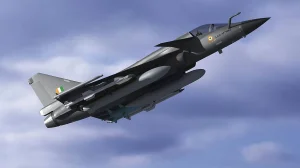
This is a fifth-gen fighter, plain and simple: stealth, AI, long-range targeting and the means to work in tandem with UAVs. The idea is to give the IAF the edge in contested skies, in terms of both range and staying power. After the development and test phase, the IAF is likely to put in for 120 or so in the first tranche. Deliveries are on for 2035. That first run will be the benchmark for modernising the fleet and for the industry to scale up.
How this plays out in the wider scheme of things
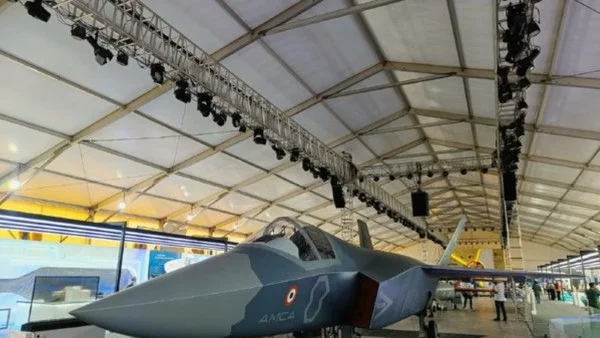
You can count on tighter schedules and more skin in the game. With three in the mix, the government can measure cost and tech maturity without being tied to a single vendor, and keep the option open for modular changes down the line. There is also a link between the hardware and the results. Putting the testing in Andhra gives you a proper ecosystem for it. We saw the intent with the full-size model at Aero India 2025; this RFP is to see who can put some data behind it.