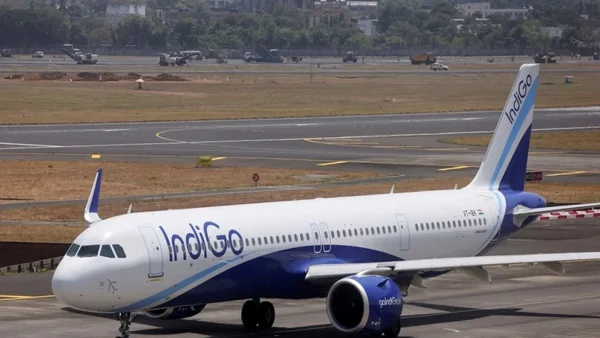
IndiGo will have a smaller, though regular, number of flights to the Middle East between March 16th and March 28th; this will be 252 flights a week as the airline handles what’s happening in the area with safety in mind. IndiGo stated it is getting connections going again but is carefully watching safety, what airspace is available, and how costs to run the airline are going up.
IndiGo’s Middle East flights, March 16-28
During March 16-28, IndiGo is planning 252 weekly flights to and from the Middle East. This includes around 126 flights a week to Saudi Arabia, 98 flights a week to and from the United Arab Emirates, and 28 flights a week to Oman.
Some routes are still stopped as of March 28th. Flights to Doha, Kuwait, Bahrain, Dammam, Fujairah, Ras Al Khaimah, and Sharjah are on the list of flights that have been stopped as part of the airline’s changes to its network during this time. The airline also said it might put on extra flights if people want to fly and if it’s safe to do so.
Passengers flying from cities in the Middle East will still be able to get to a lot of places in India and elsewhere on the airline’s whole network. People who are traveling should be sure of the details of their flights before they go, as times could be changed with little warning.
Why flights are limited and safety is important
The airline gave several reasons for the limited schedule. It said danger in the world politically, limits on airspace, problems at airports, and the cost of fuel and insurance going up were all reasons to slowly and carefully restart service.
The airline made it clear that the safety of passengers, the crew, and the planes is the biggest thing to them. It said that teams are working closely with the people who control aviation and are changing how things are done as the situation in the area changes.
Extra fuel cost and costs going up
Starting on Saturday, the airline began adding a fuel charge to tickets, in answer to the price of jet fuel in the area going up a lot. This came after some other airlines announced the same charges, as they were facing the same cost problems.
The airline showed data from the industry that showed the price of fuel in the area had gone up more than 85 percent. This increase, along with the cost of insurance being higher because of political danger, has made the cost of flying each flight go up and has had an effect on how flights are scheduled in the short term.
How passengers and connections are affected
Passengers who have had their flights cancelled or stopped can expect help with booking a new flight, getting their money back, or finding a different route through the airline’s customer service. The airline said it would help travelers whose plans changed because of the temporary changes to the network.
Travelers should look at the airline’s official website and official social media for the latest information and travel advice before going to the airport. The times flights leave, what you need to get into a country, and what happens at the airport can all change quickly in a situation where things are always changing.
People who are planning to go on to another international flight should give themselves more time to change planes and be on the lookout for changes at the last minute. If airlines put on more flights to meet what people want, seats may fill up fast, so it helps to be sure of your seat early to avoid trouble.
What the market did and what will happen next
The stock of the airline’s parent company, InterGlobe Aviation, showed that investors were worried and fell about 2 percent to Rs 4,162 on the stock market after the changes to the network and the news about the charge. How the market does often shows how sure people are about how things will go in the short term and how much things will cost.
In the future, the airline said it would keep looking at what is happening and slowly add back flights where it is safe and possible to do so. Decisions will find a balance between how the airline can run, what people want, and what the rules say, in order to keep connections that people can depend on.
IndiGo's limited schedule to the Middle East shows how airlines need to balance giving people the connections they need and dealing with higher costs and safety risks. Travelers should be ready to be flexible and keep looking at official sources for the latest travel information.