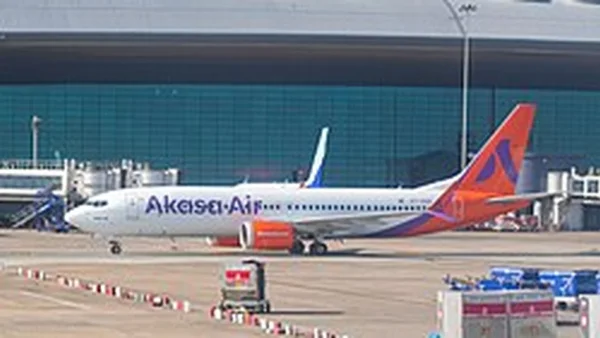
Akasa Air is now with the other big Indian airlines in charging extra for fuel, as aviation turbine fuel gets more expensive with the conflict in West Asia getting worse. The airline said the surcharge will be for bookings made from 12:01 AM on March 15, 2026, for both flights within the country and to other countries. The airline added in a public post on X that tickets bought before then won’t have the new charge. The airline said the decision was because of a big rise in aviation turbine fuel, and that fuel is a large part of what it costs to run an airline. Akasa also said it will look at the surcharge regularly as the market changes, and it wants to keep fares affordable and flights on time.
What the Akasa Air Fuel Surcharge Will Be
Akasa will charge a fuel surcharge for each part of a journey, which will change depending on how long the flight is. The airline has set the range at INR 199 to INR 1,300 for bookings made on or after March 15.
How This Is Like What Other Airlines Have Done
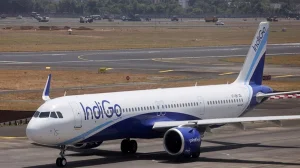
Akasa’s move comes after the larger Indian airlines put in similar charges. One airline began to charge for fuel from March 14, with the amounts being from Rs 425 to Rs 2,300, depending on the route. Another group started charging Rs 399 on tickets for flights inside the country from March 12, and also raised the charges for international flights.
These earlier moves were for both short and long flights, with higher charges for flights to Europe, Southeast Asia, China, Africa, and the Middle East. The airlines doing this bit by bit shows they are trying to get their costs back quickly, but also not to hurt customers too much, while seeing how fuel prices are going.
What Is Making Fuel Prices Go Up
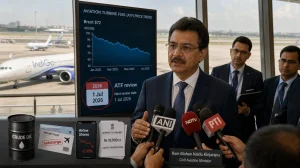
The conflict in West Asia has broken up oil and shipping routes, making supplies less and pushing up jet fuel prices. Attacks on things built and ships that carry goods, and problems near the Strait of Hormuz, have made refined fuel markets more unstable.
How This Affects Airlines’ Work and Money
Airlines are also paying more to run, because of limits on what airspace can be used and having to go longer routes. These things increase flight time and fuel use on the parts of journeys affected – mainly long international flights – which makes things worse for the airlines financially.
Aviation turbine fuel is about 40 percent of what it costs an airline to run, so prices going up for a long time can quickly lower profits. Airlines can choose to pay the costs, to have fewer flights, or to pass some of the cost to passengers using surcharges or changes to fares.
Tools to watch the industry have shown big gains in fuel prices in this period, so a number of airlines have put in special surcharges, but have said that fully raising fares would be more of a problem. Airlines say these steps are to limit immediate losses without making big rises in fares.
How This Affects Passengers and What the Market Will Be Like
Passengers can expect to pay more for new tickets on a number of airlines as surcharges are added. The first effect will be most clear on routes with more fuel use or longer distances, but fares for flights inside the country may also be under pressure if fuel prices stay high.
Airlines have said they will watch the market closely and change policies as needed. If the political problems get better or fuel prices go down, airlines may lower surcharges; if things get worse, more changes or changes to how many flights there are could follow, affecting times and how many seats are available.
Akasa’s announcement shows how quickly shocks in world politics move through the airline business and into what customers pay. People who travel and companies who buy travel should watch for updates to prices and think about being able to change bookings as airlines adjust to the continued uncertainty in the market.