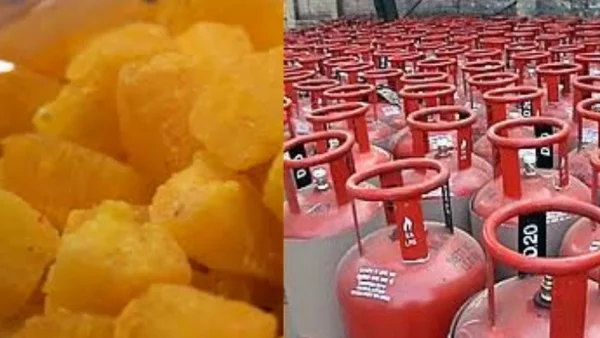
Manufacturers of Agra’s well-known ‘petha’ are in a really bad situation, as the hold-up in commercial LPG is making a lot of businesses that need gas to stop making things. People in the industry are saying that if this goes on for long, a trade that’s been going for hundreds of years could collapse, putting jobs at risk and damaging the food that Agra is famous for.
How production and jobs are being affected
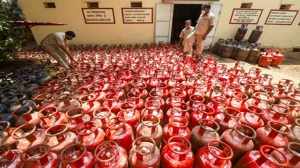
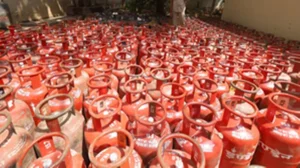
People making petha at Noori Darwaza say they’ve had to partially or completely close down, after deliveries of commercial gas got slower and slower, or stopped. Some of the bigger businesses have shut altogether, and the smaller ones are only going on the few gas bottles they’ve still got.
People who speak for the industry say the shortage has really cut back on how much is being made, dropping daily income, and meaning people are losing their jobs. People who work in the trade, and their families, who are used to a steady income, are now looking at not knowing how they’ll manage.
Sellers say the only real way to get things back to normal is to get a steady supply of commercial gas again. Without it, a lot of businesses will have to close for good, even though they’re trying to save gas and make what they have last.
How big and important the Noori Darwaza area is to the economy
Around 70 big businesses that use gas to make petha are in Noori Darwaza, and can normally make petha worth 20 lakh rupees a day. There are also more than 500 smaller businesses in the area around it, which between them help a whole chain of businesses.
The petha trade has given work to families for generations, and also to businesses that supply it – like those that sell sugar and ash gourd – and those that pack and transport it. If the LPG shortage goes on, this will affect the whole local economy, and lower how much money comes in during the tourist season.
Rules about the environment and what fuel can be used
Agra is in the Taj Trapezium Zone, where the authorities don’t allow wood or coal to be used, so as to keep the air clean near the historic buildings. This means that gas is the only fuel that can really be used to make food that’s safe to eat.
Businesses aren’t allowed to legally switch to using ordinary wood and plant matter as fuel, and other options – like electric boilers – would need a lot of money to buy, which many of the smaller businesses can’t afford. Because of the rules, the petha trade is more likely to be affected by problems with the supply of commercial gas.
What the authorities have said, and claims that people have been giving wrong information
Officials in the local government said that sellers had mentioned the problem, and that they would work on a solution. However, the district magistrate – the most senior official in the area – said publicly that there wasn’t a shortage of gas across the whole district, and accused some people of spreading rumours about a crisis.
This disagreement has made things worse between the people making petha and the government. Sellers say that promises they’ve been given haven’t resulted in actual deliveries, and that they need clear information about how many gas bottles are being given to who, and how they’re being delivered, so as to solve the problem.
Social media was used to spread news about businesses closing and gaps in the supply, and the authorities warned against giving wrong information, and promised to take action against people who deliberately told lies. Clear information about how much gas there actually is would help calm the markets and give people confidence.
What will happen in the future, and what should be done to make the trade more stable
The most important thing at the moment is to get the normal supply of commercial LPG going again, so as to stop businesses closing for good. The authorities could think about short-term things like giving petha businesses that have been approved gas bottles as a priority, and giving temporary help with transport so as to speed up deliveries.
In the long term, the trade will need investment in cleaner fuels that are allowed by the environmental rules, better electric equipment, and financial help for the smaller businesses to modernise. People who make policy should think about giving special help with money, or credit, so as to save both jobs and the petha trade as part of the country’s heritage.
Good communication, verified information about the supply, and people from the industry and the district government working together would reduce confusion and limit the damage to the economy. Saving Agra’s petha trade means balancing looking after the environment, with practical things to help a tradition that people depend on for their living, and which is part of the country’s history.