Pakistan is now nearer to a point where it could have big financial problems, as the conflict between Iran, the US and Israel makes oil prices around the world rise, interrupts shipping, and lowers the amount of foreign money the country has. In answer, the government has used cost-cutting steps – like pay reductions in state companies, emergency limits on fuel, and fewer public services – to cope with a quickly worsening energy cost.
How the Conflict Increased Energy Costs and Put a Strain on Reserves
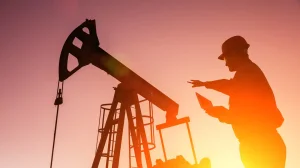
Increasing trouble in Western Asia has put crude oil prices above $100 a barrel, greatly raising Pakistan’s cost of buying things from other countries. As the country buys nearly all its oil, any rise in world prices straight away affects its foreign reserves and payments balance.
Shipping routes, such as the Strait of Hormuz, are very important for Pakistan’s oil supplies. Interruptions or increases in insurance costs on these routes raise the costs of supplies and slow down deliveries, putting more pressure on foreign money and the amount of fuel available inside the country.
Experts in the field warn that, with low reserves, Pakistan cannot easily take on a long-lasting rise in the cost of buying things. The result is a squeeze on the government’s finances and a bigger risk of deeper economic trouble if money from outside isn’t found.
Government Cost-Cutting: Pay Cuts, Fuel Limits, and Service Reductions
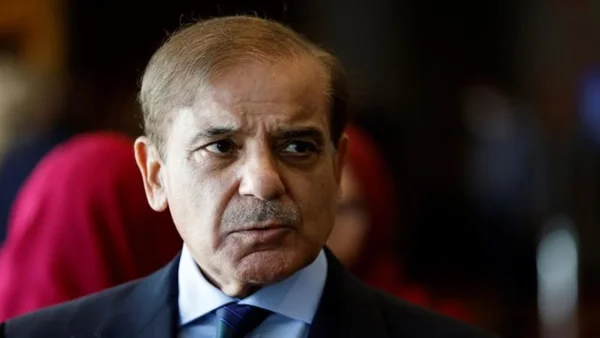
To control the financial effects, Prime Minister Shehbaz Sharif agreed to pay reductions of 5 to 30 percent for people working for state-owned companies and independent organizations. Staff who are paid more face steeper reductions, which are meant to lower the public wage bill quickly.
The government has also cut fuel amounts for its vehicle fleet by half, and put roughly 60 percent of government-owned vehicles out of use. Public offices moved to a four-day workweek, some schools were closed, and the chance to work from a distance was made wider, to save fuel and lower spending.
These steps show a serious lack of foreign money and a need to limit the use of energy run by the state, while people in authority quickly try to find more dollars and make imports stable.
Immediate Effect on Homes, Transport, and Prices
Fuel prices rose sharply, causing people to rush to buy and long lines at petrol stations in cities like Karachi and Lahore. Petrol rose to about PKR 321 a litre at first, and has been changed to levels close to PKR 345 a litre in recent steps, while high-speed diesel got near PKR 355 a litre.
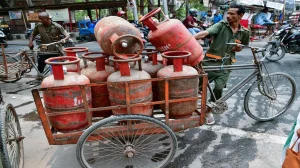
Transport costs have jumped, going into the costs of food and goods. Gas costs for homes also went up, with some types seeing rises of around 25 percent, because of higher LNG import costs. Pressure from rising prices gets worse as businesses put higher energy costs onto customers.
People in low-income homes are most at risk, facing higher food and transport costs along with fewer public services and a weaker safety net.
Basic Weaknesses and Longer-Term Risks
Pakistan went into this shock with lasting general economic weaknesses: high rising prices, the value of the money going down, and constant problems with payments balance. These basic problems limit what can be done in policy and make the effect of trouble from outside worse.
A long-lasting energy crisis could push financial measures back toward a crisis situation, raising the risk of not being able to pay and making any attempt to get money from outside more difficult. The economy’s reliance on fuel bought from other countries and limited foreign reserves make changing to other sources and rebuilding reserves urgent needs.
Policy Choices and What Comes Next
People who make policy will likely try to get emergency money from international partners and groups of lenders from many countries, to strengthen reserves. Short-term steps must be joined with medium-term changes: changing energy sources, help for the poor, and better work in the public sector.
Getting stable LNG deals, encouraging renewable energy, and reducing costly payments can help lower dependence on buying from other countries. Protecting the poorest through money transfers or scaled payments will be important to avoid a deeper social effect.
Conclusion
The conflict between Iran, the US and Israel has increased an already existing economic weakness in Pakistan by pushing up oil prices, stopping supplies, and using up reserves. Pay cuts and cost-cutting buy time, but deeper changes and help from outside will be needed to stop a long-lasting economic emergency.