Iran’s foreign ministry strongly disagrees with Trump’s claims of negotiations between the US and Iran. They specifically said that nothing has been exchanged, whether directly or through someone else, which makes it very clear that Trump and the Iranians are seeing things in completely different ways.
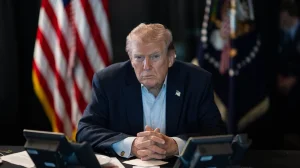
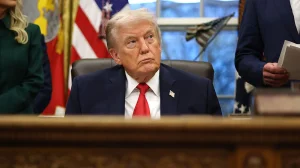
President Trump said senior U.S. officials held productive conversations with Iranian counterparts over the past few days and that discussions would continue through the week. He framed the contacts as progress and tied them to a temporary halt in planned strikes.
Diverging narratives from Washington and Tehran
Iran's foreign ministry pushed back, saying, ‘We completely reject President Trump’s claims about negotiations between Iran and the US.’ Tehran emphasized no direct or third-party messages have been exchanged, underscoring a clear gap between the two accounts.
Conditional five-day pause on strikes
Trump announced the five day hold on planned attacks on Iran’s power plants and oil facilities, and told the Pentagon to wait while the conversations go on. He was very clear that this pause in attacks depends on how these talks go.
The pause is meant to calm things down for now, but doesn’t get rid of the possibility of using military force. Officials on both sides have said strikes could happen again if the talks don’t give the United States what it wants.
Regional stakes and strategic chokepoints
A lot of the problem is about getting access through the Strait of Hormuz, a very important waterway for oil being shipped around the world. If anything happens to block that route, it would have a big effect on the price of oil and make the Middle East even more unstable.
Iran has publicly warned that if they are attacked, they might lay mines in the Persian Gulf and attack oil facilities in the region. This would make shipping insurance more expensive, slow down ships, and greatly increase the chance of a larger fight between countries in the Middle East.
Iran’s red lines and negotiation posture
Iran has repeatedly said it will only negotiate after it’s achieved its goals in the current conflict, meaning they want to be in a better position on the battlefield or politically before they’ll talk. This makes serious negotiations less likely right now and will continue to cause uncertainty.
Experts say Iran’s position lets them demand real changes before they’ll even start talking, while the US views a pause in fighting or even just communicating as a way to get Iran to do something. This disagreement about what’s even happening makes it harder to have diplomacy and makes it more likely that mistakes will be made.
Economic and market reactions to the pause
When the news about the short break in tensions came out, the financial markets responded quickly. A major index of how well companies are doing went up sharply, undoing some of the losses from earlier in the day when people feared a conflict. Gold and other valuable metals also went down from their recent high prices.
Businesses and people buying things will be affected by all this. Companies that deal with energy and moving goods are carefully watching the shipping routes, and some companies that make things people buy for a long time (like appliances) are expecting costs to go up, which could mean higher prices for customers. Money moving in banks and investments will be based on how risky things are seen to be as the situation develops.
Basically, the different stories from Tehran and Washington show how carefully the US and Iran are balancing attempts at diplomacy with the threat of force. The five day pause gives a small amount of time to lessen the immediate danger, but Iran’s insistence on achieving its goals in the war before they will negotiate means that any real progress will require actual changes on the ground or solid promises. People are going to be carefully watching for proof that the US and Iran are actually in contact and for concrete things they are willing to give up, which could turn this uncertain pause into a lasting decrease in tensions.