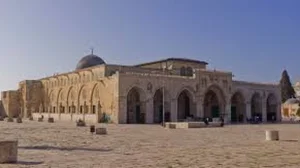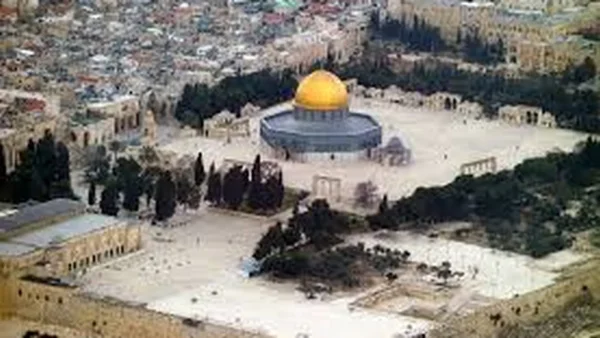
Early Friday, as hundreds of Palestinians attempted to get to Eid al-Fitr prayers at the Al-Aqsa Mosque, Israeli security forces fired tear gas at them. Security closed all entrances to the mosque area, and those trying to worship were forced back to the streets and gates of East Jerusalem.
Access Restrictions and Official Justifications
Israel stated that they are not allowing Eid prayers at Al-Aqsa Mosque because of security issues related to the wider conflict with Iran. The mosque has been shut for several days. Officials say these actions are needed to prevent trouble near this very important religious place in Jerusalem.
For over three weeks, the mosque has been closed, and many Palestinians have not been able to do their festival prayers at a place of deep religious meaning to them. This has made the problem of getting to religious services during Eid al-Fitr much worse.
Crowds, Tear Gas, and Scenes at the Gates
Many Palestinians went to Damascus Gate and other places where they could get to the mosque. Videos show people shouting and then going away as the tear gas spread and police pushed them to stop them from gathering near the mosque.
When people tried to get closer, fights broke out and it was chaotic, with people running to find safety. Because of the large number of Israeli security forces around the Al-Aqsa Mosque, large groups of people were not allowed into the mosque grounds for their holiday prayers.
Eid in Gaza: Prayer Amid Destruction
At the same time, in Gaza, families had a very difficult Eid al-Fitr. Many prayed in the open air, or next to mosques that were severely damaged or completely destroyed. This is very different from the closed doors of Al-Aqsa in Jerusalem.
Reports from people in Gaza say religious buildings have been badly damaged, with over 1,100 mosques being harmed or ruined. This has meant people have had to have religious services outside, and change traditions they’ve had for a long time, all while being forced from their homes and living among the ruins.
Religious Significance and Political Fallout
Al-Aqsa Mosque is the third most holy place in Islam, and is also important to other religions, so restrictions on access are very sensitive. Local leaders and officials have strongly criticized the long closure, saying it’s an attack on the right to worship and makes a bad situation even more dangerous.
Some people who criticize these actions believe they could change the mosque and the area around it by separating the mosque from the Palestinians who live there. These worries add political importance to what started as security choices, and could cause more tension throughout the region.
Human Impact and Regional Implications
For those who were not allowed in, the effect is immediately on how they feel spiritually and emotionally. Eid prayers are done together, and are a symbol of faith; being prevented from attending at Al-Aqsa makes the feelings of sadness and injustice even stronger. The scenes at the gates and in Gaza show the suffering caused by long-term restrictions and fighting.
These closures and fights are happening because of general problems in the area and the continued fighting. The world’s attention may turn to both the right to worship and the larger humanitarian problems in Gaza, where mosques have been ruined and families forced to move, and all of this is happening as they are trying to observe important religious days under a great deal of pressure.