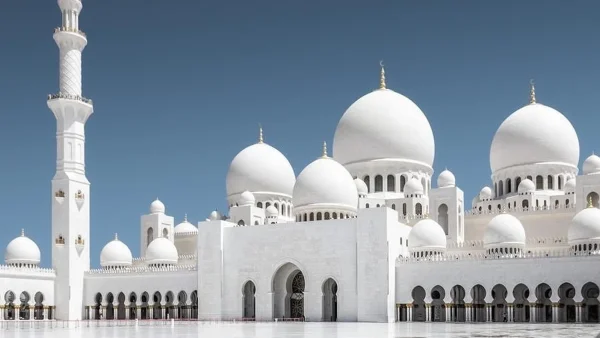
The General Authority of Islamic Affairs, Endowments and Zakat announced on X that Eid Al Fitr prayers should only be in the mosque building itself, in all parts of the UAE. This is instead of the usual custom of using large outdoor areas and courtyards for prayers.
Security rationale amid regional tensions
Officials want people to do what the local imam and civil defense tell them to do. They say this is a precaution to make the prayers go smoothly and lessen the chance of any security problems when many people are together.
Eid prayers usually have huge numbers of people in open spaces, and it’s harder to control who comes in or check them for security. Because of increasing problems in the Middle East and higher security warnings, officials say keeping prayers to the enclosed space of the mosque will help the police and security services watch what is happening and react to anything that goes wrong.
The UAE isn’ andt the only country doing this. Other countries in the Gulf area have given the same instructions, telling people to pray inside to be safe. This working together between countries in the region is to lower risks that cross borders and reassure people during the holiday.
Implications for worshippers and organizers
Mosques will have to manage how many people they let in, how people line up, and how they enter, more carefully than normal. People going to the mosque should anticipate officials having different times to come in, certain doors to use, and clear paths to follow to keep things in order.
Those running the prayers might have extra helpers and security guards to show people where to go and make sure they follow the rules. People who are praying are told to arrive early, pay attention to the signs, and work with the mosque staff to cut down on delays and crowds.
Operational adjustments and public guidance
Mosques will likely do things like limit how many people come with each person, mark lines on the floor for distancing during prayer, and use loudspeakers to tell people when to move. The authorities have asked everyone to follow the directions and not get together in outdoor courtyards or at places that aren’t official prayer locations.
The latest information is available from the government’s social media and from announcements at the mosques. People who are traveling or having family over are encouraged to check for updates and change their plans if they will be in very crowded public areas.
Eid Al Fitr is a very important religious celebration, and the rule about praying inside is being described by officials as a short-term way to protect people praying, not a restriction of their religion. They want to keep the sense of community of the holiday safe by reducing the risks.
Balancing religious observance with safety priorities
Religious community leaders and those in charge of mosques are important in finding a balance between people’s spiritual needs and keeping them secure. Being clear with what is happening, having understandable rules, and managing the crowds well will help the prayers be respectful and unifying.
What worshippers should expect on Eid day
On Eid day, you can expect to see security and people controlling who enters many mosques. Outdoor prayer fields and temporary prayer places will be shut down and announcements will tell people where the mosques are. Those who can’t go to the mosque can look for a live stream of the prayer if the mosque has one.
If you follow the official directions, respect how many people the mosque can hold, and cooperate with the helpers and security, you’ll have a smoother experience and help keep the public safe. Easy things like deciding when to arrive, going with your family only, and getting information from official sources will help and protect everyone.
In conclusion, this decision to have prayers inside is a careful one, being done because of the increased danger. By moving Eid Al Fitr prayers into buildings, the UAE and other Gulf countries are trying to protect people while letting communities finish Ramadan in a dignified and careful way.