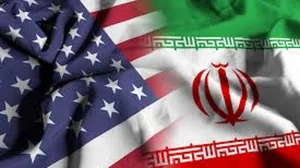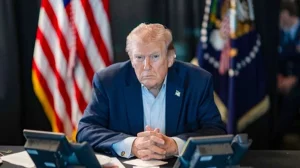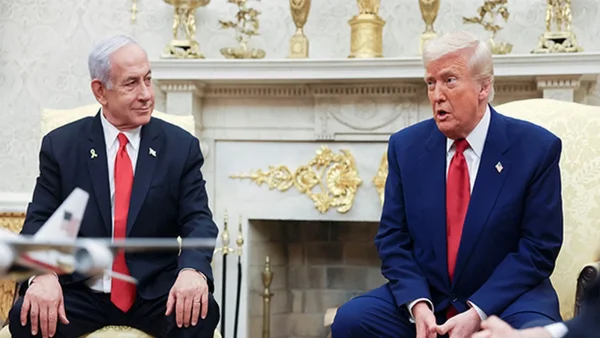
In the Oval Office, Trump said he told Netanyahu, “I told him, don’t do that.” He also said Netanyahu “won’t do that,” and presented this as a way to stop things from getting even worse. Trump described the relationship between the US and Israel as mostly in agreement, though they operate somewhat separately.
Trump said on social media he “knew nothing about this particular attack,” which shows the trouble in how much the two countries planned these actions together. He also said Israel won’t attack unless Iran goes after “innocent” countries, and promised a very strong response if Iran attacks energy sources they both rely on.
Disputed accounts over US awareness and coordination
People within the government and other sources give different stories about whether the US knew about, or even helped plan, the attack on Iran’s gas field in the sea. Someone in Israel who knows about the operation said Washington was involved in the planning. Also, a source in the US said Washington knew the attack was going to happen.
These accounts are different from the president’s first statement that he didn’t know anything beforehand, and this shows a repeated difference between what the president says publicly and what intelligence and military people are doing or sharing. These inconsistencies make it harder to communicate with the public and make you wonder about the process for deciding on sensitive military actions.
Impact on regional energy supplies and markets
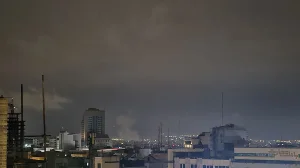
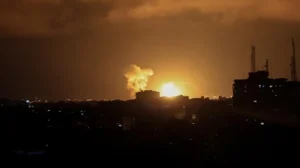
The attack on the Iranian part of the South Pars gas field caused a series of attacks all over the Gulf. Some of these damaged major facilities that make liquefied natural gas. One Gulf facility, which makes a large part of the world’s gas, said it lost almost 20% of its ability to export gas after being attacked.
The interruption of energy supplies really affected the energy markets. Stock markets around the world went down, and the price of natural gas went up quickly, as people buying and selling tried to account for the risk of not having enough supply. Damage to gas processing plants and oil refineries in the region has an immediate effect on business, and raises worries about having enough fuel for the winter and finding different sources of supply in the future.
US troop deployment stance and military considerations
When asked if he was going to send more soldiers, Trump said very directly, “I’m not putting troops anywhere.” He then added that if he were to think about sending troops, he wouldn’t tell anyone about it. This means he won’t send a lot of troops right away, but doesn’t rule out other kinds of help.
Rumors were going around that the government was thinking of sending more forces to the area. So far, US military personnel have been hurt because of the fighting, and this is affecting how people think about sending in troops and how much risk they’re willing to take.
Strategic implications for US policy and regional stability
The president stepping in shows he is trying to stop direct attacks on energy facilities. He is worried about the bad effect on the world economy and the chance of a larger war. By restricting attacks on energy, Washington wants to give Iran less reason to attack back in a way that could pull in other countries and the system that delivers fuel to people.
However, this situation also shows how limited just informally coordinating is. Governments may need clearer ways to avoid conflict and to communicate with each other in order to stop things from getting out of control unexpectedly. Those who make policy will have to think about the need to stop attacks on Iran at the same time as protecting the flow of energy and stability in the region.
Things are still tense, and Iran has said it will have "zero restraint” if their energy facilities are attacked again. The markets and people who work in diplomacy will be watching for more attacks or agreements to limit them, while the US tries to support its allies and avoid a larger war.