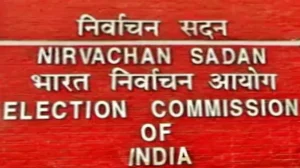
The Trinamool Congress has taken the Election Commission of India to the Calcutta High Court to dispute a large number of transfers it ordered right before the West Bengal Assembly elections. These changes altered who is in charge of the state government very shortly after the election dates were announced, and immediately people questioned the process, the timing, and whether the Election Commission was being impartial.
Background and Overview
After the Election Commission announced dates for the 294 seats in the assembly, it shook up a lot of positions. The Commission says it moved top government officials and high-ranking police officers to ensure the election is fair. However, the number of changes and how quickly they happened have caused a strong reaction from the state government.
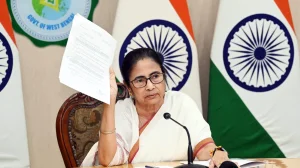
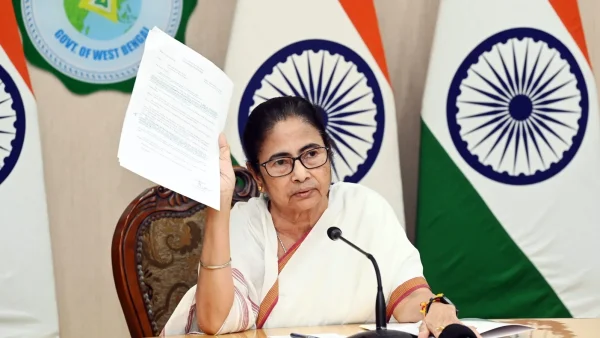
Mamata Banerjee, the Chief Minister of West Bengal, publicly said these actions were political interference and even called them an unofficial state of emergency. She believes removing over 50 senior officials so quickly isn’t just normal changes to how things are organized, and they will cause problems for the state government right before the election. The disagreement quickly turned into a lawsuit.
Scope of the Transfers
The list of senior jobs affected by the transfers was long: the chief secretary, home secretary, director general of police, additional directors general, inspectors general, deputy inspectors general, district magistrates, and many superintendents of police. It’s not unusual for staff to be moved during elections, as the election authorities need people to be neutral and not favor anyone in their own area.
What’s important about this situation is how many changes were made and how soon they happened. Many of the orders were put into effect within hours of the election dates being announced, which makes people wonder if the state government was consulted and what effect all this will have on running things in the districts during a very important election.
TMC’s Legal Challenge at Calcutta High Court
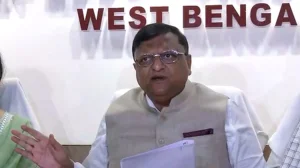
Kalyan Banerjee, the Trinamool Congress’s lawyer, filed a request to the Calcutta High Court, and named the Chief Election Commissioner as the person responding. The request asks whether the Election Commission spoke with the state government, and says the transfers were decided unfairly and by the Election Commission alone. The court is expected to hear the case early next week.
The lawsuit claims the Election Commission overstepped its authority with these transfers and wants the court to review the orders. The court will decide if the Election Commission acted within the rules of the Constitution and if all the required steps were taken for transfers both within and between states.
Election Commission Response and Pause
The Election Commission says transfers during an election are to make sure people can vote freely and fairly and that government power isn’t abused. In this case, the Commission paused some transfers of high-ranking police officers to other states after the state government objected, temporarily stopping some police chiefs from moving to places like Tamil Nadu and Karnataka.
These pauses on orders for police chiefs in major districts, and to states such as Tamil Nadu and Karnataka, show the Commission is aware of legal and political criticism. However, this doesn’t fix the main issue of who has the power to make these changes and when.
Implications for the Election and Governance
The court’s ruling will create a standard for how much power the Election Commission has to move officials during election time. If the state wins, it will limit how often and how many large-scale transfers the Commission can make in the future. If the Commission wins, it will have more freedom to make administrative changes in other states during elections.
For both voters and government workers in West Bengal, this argument creates more confusion in an already tense election environment. People will pay attention to what happens in court for clues about how the different parts of the government should balance each other, how fairly the rules are followed, and how administrative control is used leading up to important elections.