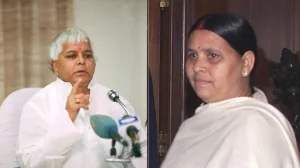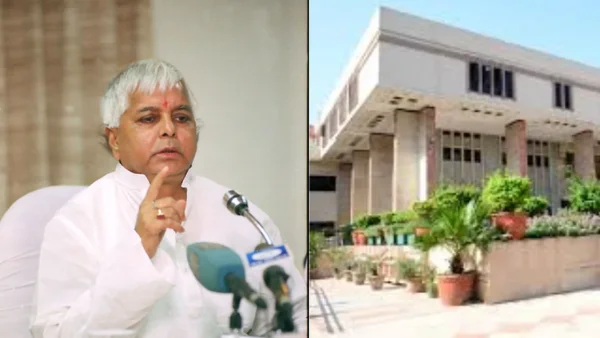
Lalu Prasad and Rabri Devi wanted over 1,600 of these unused documents before they begin questioning witnesses. Judge Vishal Gogne explained that giving them everything at once would be completely backwards, and would almost certainly turn the trial into a confusing tangle right from the start.
What the Court Decided and Why
The court’s decision, explained in a long 35-page explanation, denies requests from four people facing charges to view the documents seized during the investigation that the prosecution isn’t building their case on. The judge wants the trial to first deal with the prosecution’s evidence.
Why the Court Saw a Risk of Delay
Judge Gogne stated the accused can’t take control of the court’s process by appearing to be doing it during cross-examination. He believes they are secretly trying to delay the proceedings and that giving them these extra documents at this point would completely disrupt everything.
R K Mahajan (Lalu Prasad’s former assistant) and Maheep Kapoor (a past general manager for the railway) also had separate requests, Mahajan for one document and Kapoor for 23. The court said Mahajan’s request was solely to help himself.
The judge emphasized the Criminal Procedure Code (now called the BNSS) has a planned order: the prosecution’s evidence, including the documents they will rely on, is the basis for the trial. To turn this around and focus on the unused documents would completely change how a trial is supposed to work.
The prosecution is using 421 documents, while 1,675 are in the ‘unused’ pile. The court worries that deciding whether thousands of these unused documents are needed before any witnesses are questioned could lead to the judge’s review being shaped “only to suit the defense.”
The Legal Meaning of Unrelied Documents
Documents that weren’t used as part of the evidence in the chargesheet, but were gathered during searches and the investigation, are the “unused documents.” Courts can allow access to these if they believe it’s necessary and a good idea at a suitable time.
Judge Gogne made it clear there isn’t an automatic right to all unused documents. Previous court decisions haven’t said they must be fully revealed. Instead, the court can allow inspection or copying of specific documents if a good reason is given, and doing so won’t derail the prosecution’s main case.
The court also said the accused had a chance to look through the unused documents earlier. Therefore, the defense’s claim that they’d be completely in the dark without all the documents at once wasn’t convincing.
And importantly, the court refused the idea that cross-examination (questioning witnesses) has to wait until they have these unused materials. While cross-examination is about presenting the defense’s side, the judge said this can’t be put on hold because of a condition the accused are placing on things to benefit themselves.
Background of the Land-for-Jobs Case
The Central Bureau of Investigation started the land-for-jobs case on May 18, 2022. The investigation is about appointments to Group D (lowest level) positions which allegedly happened in the West Central Railway zone in Jabalpur, Madhya Pradesh while Lalu Prasad was Railway Minister from 2004 to 2009.
Investigators believe there was a “you scratch my back, I’ll scratch yours” situation: people who got Group D jobs, or their families, sold or gave land to Lalu Prasad’s relatives and friends, including Rabri Devi. Lalu Prasad’s two daughters, unnamed government workers, and other individuals are also named in the case.
The court’s decision repeats the allegations that Mahajan, as Lalu Prasad’s assistant, passed on lists of people Lalu Prasad had suggested for the jobs to multiple general managers (Kapoor being one), who were in charge of hiring. Both Mahajan and Kapoor are accused of wrongdoing. Because of how many and how serious these claims are, they are now very much in the public’s view, and the disagreement over documents that weren’t officially used in building the case adds a legal procedure to a case that was already very important for both political and legal reasons.
Procedural Posture and Charges Framed
On January 9th, the court said charges should be formally presented to Lalu Prasad, his family, and a number of other people. In total, the court is bringing charges against 41 people, and has dropped charges for 52. Of the 103 people originally accused in the official statement of charges, five have died.
Now that the charges for those going to trial are set, the next step is for the prosecution to present their evidence, and then for lawyers to question the prosecution’s witnesses. The defense wanted to have access to the extra documents before they prepared their questions for the witnesses, but the court said no.
The judge explained that trial courts need to be careful of hidden intentions that could lead to unfair verdicts. He pointed out that if a huge collection of the extra material was given all at once, we could expect later requests for “missing” or “you can’t read” documents.
The court's decision doesn’t completely rule out the possibility of getting specific extra documents later on, if it is shown to be needed at the right time. But the people asking for them will have to prove exactly why those specific items are essential for a fair decision.
The court noted the large difference in number between the 421 documents the prosecution is using and the 1,675 documents they aren’t. They said providing the larger group of documents at the beginning would completely change the trial from being based on the prosecution’s main evidence to being about the extra documents, which goes against how the law is intended to work.
The judge said releasing all those documents at once could make the trial about examining the extra documents, and that would be bad for the prosecution’s evidence. It would pull attention away from what the prosecution is trying to prove and go against the normal, step-by-step way criminal trials are meant to happen.
Another issue was keeping the court neutral. If the judge had to decide whether hundreds or thousands of the extra documents were relevant or useful before anyone gives evidence, it could lead the judge to form an opinion too early and could help one side.
So the court’s order prioritizes the process over a huge amount of material. It puts the focus back on the prosecution’s evidence, and allows for questions of witnesses which, if necessary, can then be a basis for more focused requests for the extra documents later. As the judge said, the court will carefully consider requests at the appropriate time.
Implications for High-Profile Corruption Trials
This ruling confirms a basic principle: the prosecution presents its evidence, and the defense responds by questioning that evidence and making carefully planned requests. It shows that, for high-profile corruption cases, attempts to search widely through the extra material are unlikely to be successful before the first witness is asked to testify.
It also shows a general push for trials that happen quickly, but aren’t unfair. By allowing a look at the documents beforehand, and without completely preventing more specific requests in the future, the court balances fairness with the need to avoid the case getting stuck in legal difficulties.
As the BNSS system is used more, courts will probably emphasize doing things in order and needing to show a specific need. This case shows how a judge’s ability to make a decision can stop criminal trials from becoming huge fights over documents that aren’t connected to the main accusations.
Because the request for the extra documents was denied, the court will now hear the prosecution’s evidence. The defense’s questioning of witnesses will be based on the prosecution’s evidence and what the witnesses say.
What Comes Next
If, during the questioning, there is a definite need for a specific extra document, the defense can ask the court for it, with a clear and reasonable justification. The judge’s order suggests they will be open to providing it, as long as it is truly needed and would be helpful.
Right now, the message is very clear. The trial will be led by the prosecution’s evidence, and the judge will make sure the hearing is fair and moves forward at a reasonable pace. The attempt to do things backwards has been stopped, and the case is now at the stage of presenting evidence.
As this “land for jobs” case continues, the court’s view of the extra documents will likely influence how the case is argued. It emphasizes that the path to a “not guilty” or “guilty” verdict first goes through the prosecution’s evidence and the intense questioning of witnesses.