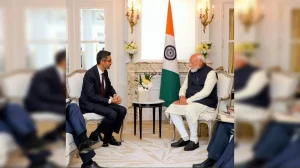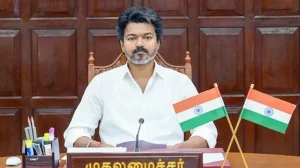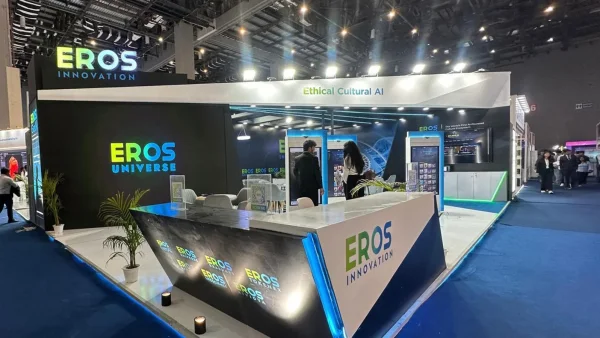
Eros Innovation’s Large Cultural Voice Models come from Tamil Nadu; EROS PersonaAI is a voice and identity system, good at what it does, and made for multilingual AI that’s based in culture. The introduction, which took place in Chennai with Chief Minister M. K. Stalin present, follows the company’s Cultural Model and broadens its cultural AI plans.
The Tamil Nadu start, and a national AI plan
The LCVM launch is an addition to the earlier LCM, which was in line with MeitY and the IndiaAI Mission. This new voice part is made to keep feeling, speed, character, and local difference, going beyond simply turning words from one language to another to reach the level of skill in language that a performer would have.
Eros Innovation is working with IIT Madras on this. The state put stress on employment and new ideas at the start, and the Chief Minister said the project would help make the economy stronger and also keep the state as a leader in AI.
Tamil Nadu’s long history with language, and the work of Thiruvalluvar, give a cultural base for voice AI. That makes LCVM more than a technical step forward; it’s a purposeful action to place multilingual AI in local character, forms of storytelling, and correct behaviour.
What is inside EROS PersonaAI: A voice and identity system of its own
EROS PersonaAI takes Cultural Intelligence into voice, and is about skill, not only words. The system is able to do speech-to-speech dubbing in over 60 languages, which knows what a performance is about – the tone, the rhythm, and what the performer meant to say – so the original performance stays whole.
The voice structure is trained using Indian languages, local accents and how things are done in films, and uses a collection of rights-approved cultural material, which has about 1.5 trillion ‘multimodal tokens’ from more than 12,000 works, giving a wide range for making and changing voices in many languages with detail.
PersonaAI sees identity as a digital property that a country owns. Protection of identity comes first, and people must give permission, with libraries of licensed performances and ways to prove where things come from and how they are controlled. This is made to let creators, film companies, brands, and public bodies safely use voice models while respecting rights.
What makes it different, and skill at a large size
Normal AI voice systems usually try to get text-to-speech right. LCVM and PersonaAI are meant to get the whole of a performance – how feeling flows, how quickly things are said, and the quality of the voice – and to keep identity safe. By modelling local difference and how well a performance is done, the system aims to make fewer strange results and voices which have no character.
Dubbing which knows about performance can really lower the costs and time for people who own content to get it into other languages, while keeping the artist’s original intention. In places where people deal with customers, the same skill can make more trust and ease of use, by giving voices which sound natural, fit the situation and correctly show feeling in each language.
Building a Cultural AI Hub in Tamil Nadu
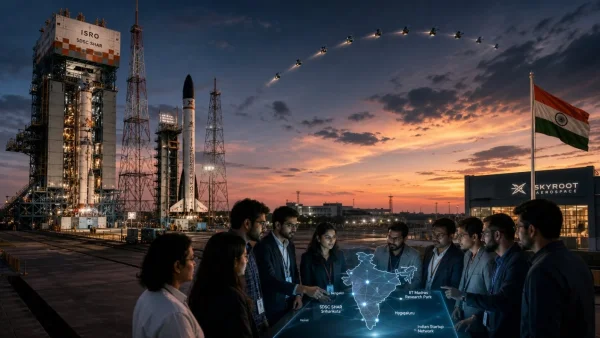
Eros Innovation is planning to put in place modern AI systems, research groups, and speech technology networks throughout Tamil Nadu. The first step of this should make over 1,000 skilled AI and engineering jobs directly – a sign of investment in both people and what the area will be able to do in the future.
Leaders in the state made the point that it’s important to have AI that’s independent and shows the area’s culture, language and creative work. Working with IIT Madras will give a steady supply of speech intelligence in many languages and public applications which can be expanded, and will get schools, businesses and the government to work together towards the same aims.
Because Tamil Nadu has policies which help, and a lot of language resources, it is making itself a world centre for AI which is based on the area’s culture. The LCVM and PersonaAI work makes that plan stronger by aiming at business uses which are useful, whilst also keeping to cultural and moral rules.
Ethics, Governance, and Consent-First Design
A main part of the platform is AI which is used responsibly. PersonaAI puts consent and the ability to trace things into how it works, in order to stop people’s voices being used without permission and to fit in with what is expected in the way things are run. Tools to show where something comes from help make sure that people who create or perform can control their rights and check how things are being used.
Libraries of performances which have been given permission to be used offer a safe way to get to creative work which is protected, while also keeping both people’s identity and the value of a brand safe. By putting consent, where something comes from, and how things are run first, LCVM and PersonaAI are trying to set a higher level for how safe voice AI is, particularly in situations involving culture and business which are sensitive.
Leaders at IIT Madras showed how the work together could help move multilingual AI on with strong moral protection. This focus is in line with what the country wants regarding AI you can trust, and is vital for using it in schools, the media, and businesses.
Use Cases Across Entertainment, Education, and Enterprise
In entertainment, dubbing which is aware of the way people perform can help studios put films, series and games into many languages without losing what the characters mean to say. Modeling how things look in films can also bring back older titles for new groups of people, whilst respecting rights and artistic value.
People who provide education can change lessons to fit local languages and ways of speaking, which makes things more open to everyone and makes students more interested. Being true to the person at a Persona level lets teachers or schools keep the same identity across languages – which is very important for trust in learning which is done from a distance, or in a mix of ways.
In business, voice agents in many languages can deal with help for customers, bringing people in, and training, with delivery which sounds as if it is from people whose first language it is. Health, banking and public services can get help from talking which is sensitive to what is going on, and respects how different cultures are, and makes understanding better for different groups of people who use it.
For people who create and famous people, controls over identity let voices be projected safely on all platforms. Workflows which put consent first and how things are run help fight the risks of people pretending to be someone else, deepfakes being used badly, and voices being copied – which lets innovation happen responsibly in marketing, events, and being social.
A Roadmap for Culturally Grounded Multilingual AI
LCVM and EROS PersonaAI are an all-in-one way of dealing with AI in many languages, which brings together cultural models, how true to life performances are, and strong control. With promises of systems in Tamil Nadu and working with IIT Madras, the plan aims at both using things soon, and doing a lot of research in the long term.
By putting together speech-to-speech skills, data sets which have been given permission to be used, and protecting identity with consent at the centre, Eros Innovation is building a platform for voice AI you can trust, at a large size. As use becomes more common in storytelling, education and business, the start in Tamil Nadu could make new world rules for cultural AI.