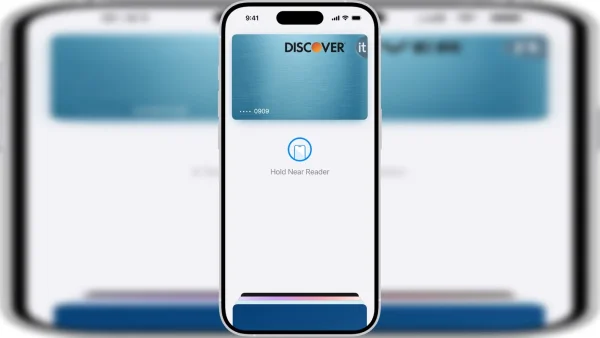
It looks as though Apple is getting ready to start Apple Pay in India; people in the business say they’re talking to the main credit and debit card companies, and to banks, with a possible start date of mid-2026. This would bring Apple Pay to one of the world’s most active places for digital payments, more than ten years after it first came out.
Talking with banks and payment networks
Apple is said to be talking with three of the leading private Indian banks – HDFC, ICICI, and Axis Bank – about making it possible to pay with cards without touching a reader, using Apple Wallet, at shops and other places of sale.
The company is also working with the main international card networks to sort out the technical side and the money side of things. People in the business say how much money is charged and how money moves around are the main things being discussed.
People who know what’s happening suggest Apple might at first not send UPI payments through third-party companies, but rather have a direct technical setup for card-based NFC payments when it starts. That would make the start go more smoothly, but would leave some work for later.
What will be available at launch, and UPI added later
When it starts, Apple Pay will probably allow contactless payments with credit and debit cards using NFC, buying things inside apps, and paying for things online using Apple Wallet. Card tokenization – replacing the card number with a code – and checking who you are on the device will keep card details safe.
Full joining with the Unified Payments Interface – UPI – is expected, but will probably need permission from the regulators. When UPI support comes, Apple Pay could add payments to shops using QR codes, and sending money to people you know, fitting in more with how most Indians pay.
Without UPI to begin with, Apple Pay might at first be useful to iPhone users who prefer to pay by card, and for bigger payments. How widely it is used will depend on how quickly UPI features can be approved and added to the service.
Changes in rules and how people are checked
A recent change in the rules that lets people use fingerprints or faces to prove who they are for payments has removed a big technical problem. Face ID and Touch ID on iPhones can now meet Indian rules about checking who people are, removing one thing that was making it difficult.
Regulators also affect how payment apps connect to national systems, and how fees are managed. Apple will need to get permission for any connection to UPI, and show it follows local rules about data and payments, before it can offer the full range of features.
Talking with card companies about fees and how money is settled is still sensitive. Those money terms will decide how good Apple Pay is to banks, shops, and people buying things.
What the payments world is like in India, and what is happening in the market
India’s payments system is already full of businesses and very competitive, with UPI-enabled systems handling thousands of millions of payments every month. Indian apps have strong links with shops and give people rewards, while world rivals have built wallet and contactless features into Android phones.
Apple’s advantage is that it works closely with all its devices, and gives users an experience that puts safety and privacy first. For people who like to pay by card and want the ease of using their device, Apple Pay could give clear benefits.
However, to get lots of people to use it, Apple will need to match how widely UPI is used, and how much it costs. That problem could mean a step-by-step plan that first targets card users, and then goes on to the everyday use that UPI powers.
How important this is for Apple and its partners
India is a very important market for Apple as the number of its devices grows. More iPhones being sold, and a wider network of Apple shops, have made it more worth it to add native payment services in the country.
If Apple Pay starts by the middle of 2026, banks and world payment networks will get new amounts of payments, while Apple makes it more likely people will stay in its system. People buying things could get more ways to pay, though how useful it is to begin with will depend on which features are available when it starts.
Apple has not said publicly when it will start. People involved will watch for permission from regulators, agreements with banks, and terms with networks over the next few months to see if Apple Pay can move from being talked about to being a real service in India.