On Monday, Russia offered to hold Iran’s enriched uranium as part of a possible agreement to resolve issues. The US threatening to blockade Iranian ports has made things much more strained around the Strait of Hormuz. These steps followed talks between Iran and the US in Islamabad over the weekend, talks that didn’t lead to an agreement.
Russia’s proposal to hold Iran’s enriched uranium
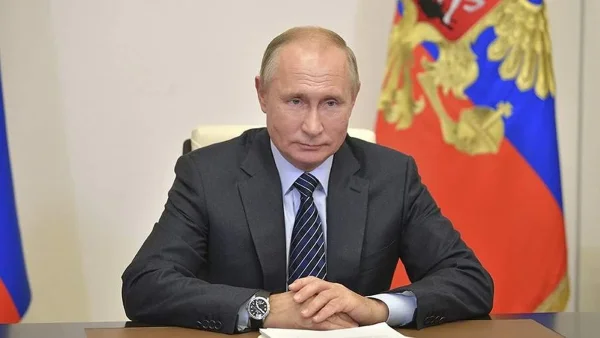
The Kremlin says President Putin brought up the idea of Russia taking Iran’s enriched uranium with the United States and leaders in the area, and Russia’s offer still stands. Dmitry Peskov, who speaks for the Kremlin, has said many times that Moscow has suggested holding Iran’s enriched uranium to help work out a negotiated settlement.
Russia says this proposal is a way to build confidence and could help prove who has control of Iran’s nuclear materials. Russia, which has the largest number of nuclear weapons in the world, is presenting this as a diplomatic method to reduce suspicion and decrease the chance of things getting even more dangerous.
US blockade threat escalates tensions in Strait of Hormuz
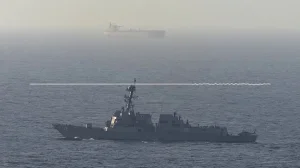
The US military announced it will start a blockade of all Iranian ports after the high-level discussions fell apart. This applies to ships leaving or trying to land on either side of the very important waterway. This announcement came after Vice President JD Vance left the talks with representatives from Iran.
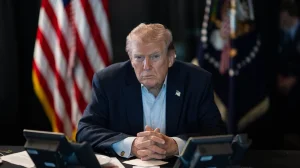
Iran says it will consider any blockade to be the same as piracy, and that raises difficult questions about how it would be enforced. Donald Trump, when he was president, publicly said the Strait of Hormuz should be fully opened again, making the geopolitical situation and worries in the region even more intense.
Market reaction and global energy implications
The markets responded quickly. Both Brent and WTI oil (two common types of oil) went up around eight percent, going over $100 a barrel, because the chance of a quick peaceful resolution disappeared. The increase in price shows how worried people are again about the oil supply being interrupted as it travels through this narrow route.
Shipping through the Strait has been very limited since fighting began in late February, with Iran letting ships through that are connected to countries it is friendly with. Experts are warning that a long-lasting blockade or more fighting would make the global energy markets even more unstable.
Diplomatic impasse after failed Islamabad talks
The weekend meetings in Pakistan didn’t result in a deal. US officials have said their offer is their final one. The Iranian people who were at the talks said the other side didn’t manage to create trust during this round of discussions, and this shows how large the differences between the two sides are, differences that a simple idea aren’t going to fix.
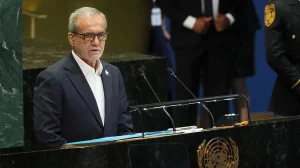
Putin also talked to Masoud Pezeshkian, the President of Iran, and repeated that Russia is ready to help with mediation and make a political settlement happen. Moscow is trying to be a middleman, and is stressing that a lasting, worked-out peace is needed in the area.
Enforcement doubts and prospects for de-escalation
While the US has announced the blockade, they haven’t given many details on how it will work. This leaves questions about what the navy will do, and the possibility of problems at sea. This uncertainty makes the danger of a mistake and a chance encounter leading to a fight greater.
There are also practical problems with Russia’s offer to hold the uranium: they would need ways to check the uranium, legal agreements, and multiple countries to watch over it to reassure everyone. However, a trustworthy third party holding the uranium could be something used in negotiations to begin serious discussions again.
The stability of the region and the security of the energy supply are at risk as the discussions are failing. What’s needed now is careful international involvement, clear rules for enforcing anything to avoid accidental conflict, and a return to negotiations that deal with checking things, trust, and protections that will last a long time.