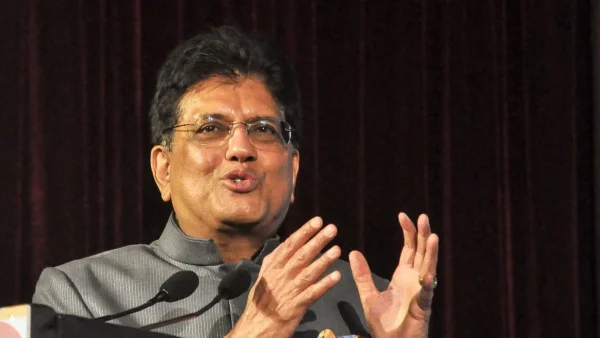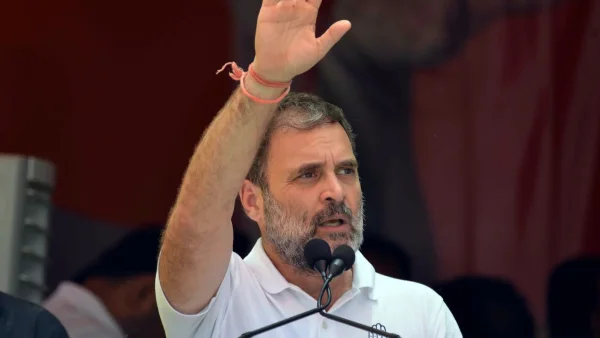
Gandhi stated that with the rupee getting weaker and the price of fuel for industry going up because of the fighting in the Middle East, India will likely see inflation again. He said on X (formerly Twitter) that the rupee approaching 100 to one US dollar and the large jump in fuel prices for industry are definite warnings of inflation.
Situation Overview
The rupee dropped 64 paise to a record low of 93.53 against the US dollar. This was caused by the rising price of crude oil and investors around the world deciding to avoid risk. When oil prices go up, it costs more to import things and puts the rupee under pressure, which then leads to higher prices for consumers.
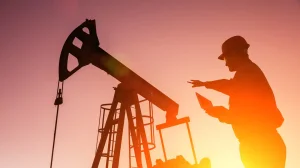
The price of fuel for businesses has gone up, and this means it’s more expensive to make and deliver goods. The issues in the Middle East have made it less certain how much fuel will be available, and shipping and insuring it all is costing more. These costs quickly turn into higher prices for making and transporting things in many industries.
Economic Implications and Inflation Risk
When the rupee is weaker, imports like crude oil and gasoline become more expensive when changed into rupees. This generally causes the overall inflation rate to rise if companies pass these higher costs on to the people buying their products. How much of the cost increase is passed on depends on taxes, government financial assistance, and how much power companies have over their prices.
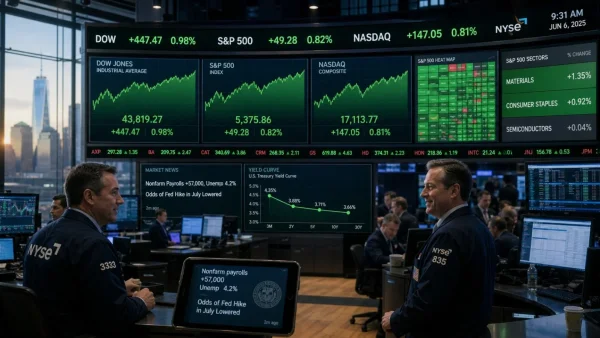
Foreign institutional investors taking their money out of the country are adding to the difficulties in the market, and are putting more downward pressure on stocks and the rupee. Higher fuel costs also reduce how much profit companies make, particularly those that use a lot of energy. If things remain uncertain, it could also cause less investment. The actions of the Reserve Bank of India and the government’s spending plans will determine how inflation changes.
Impact on Households and MSMEs
Gandhi says that if the costs of making and transporting goods increase, the price of everyday items will also go up, and MSMEs will be affected the most. Small and medium businesses usually don’t have much money saved, and can’t easily manage sudden cost increases. This can cause them to get rid of employees, make less product, or even close down.
If petrol, diesel and LPG prices increase after the elections (as Gandhi expects), family budgets will be stretched. There have been reports of people rushing to buy LPG and queues at LPG depots in some areas, showing there are immediate worries about the supply. The Ministry of Petroleum has asked businesses to use piped natural gas when they can.
Political and Policy Fallout
Gandhi criticized the government for saying things but not having a real plan for the economy. He says the question isn’t what the government officials are saying, but what will actually be left for people to buy. The fact that several states are having elections soon makes the economic messages even more politically important.
Other senior politicians in Gandhi’s party have said that the fall in the rupee is also due to things happening in the world, and that we need to understand this. This point of view brings up a discussion about how much the government’s policies within India can or should lessen the impact of problems coming from other countries, and whether enough has been done to communicate what will happen and have plans in place.
What to Watch Next
Things to pay attention to are the rupee’s journey towards 100, the expected future price of crude oil and how much money foreign investors are putting into or taking out of the country. We should also look for the Reserve Bank of India to do something to help, changes to how fuel is taxed, and any specific help for MSMEs or families struggling financially in the government’s budget.
Businesses could protect themselves against changes in the value of the rupee, look at their supply chains, and find ways to use less energy. People buying things might need to plan their budgets for possible price increases. In the next few weeks, the people in charge of the economy will have to deal with the difficulty of keeping the market steady, controlling inflation, and dealing with the political situation.