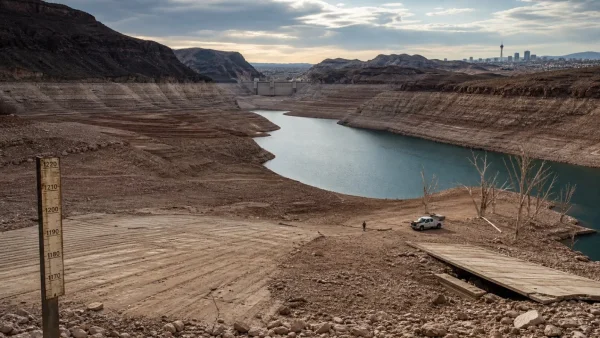
The lake has fallen to 1,040.4 feet (317.1 metres) above sea level, well below the record set on July 28, 2022. It is the first time in nearly 90 years since the reservoir was put in place that it has been this low, and it has only served to heighten concern for the river that is so vital to the region.
Behind Hoover Dam, the reservoir is what stands between communities, farms and grid operators and their water and power. “Extremely significant and extremely concerning” is how JB Hamby of the Colorado River Board of California put it. He cautions that three-quarters of the basin’s population, some 30 million souls, are in direct danger.
What is driving the drop
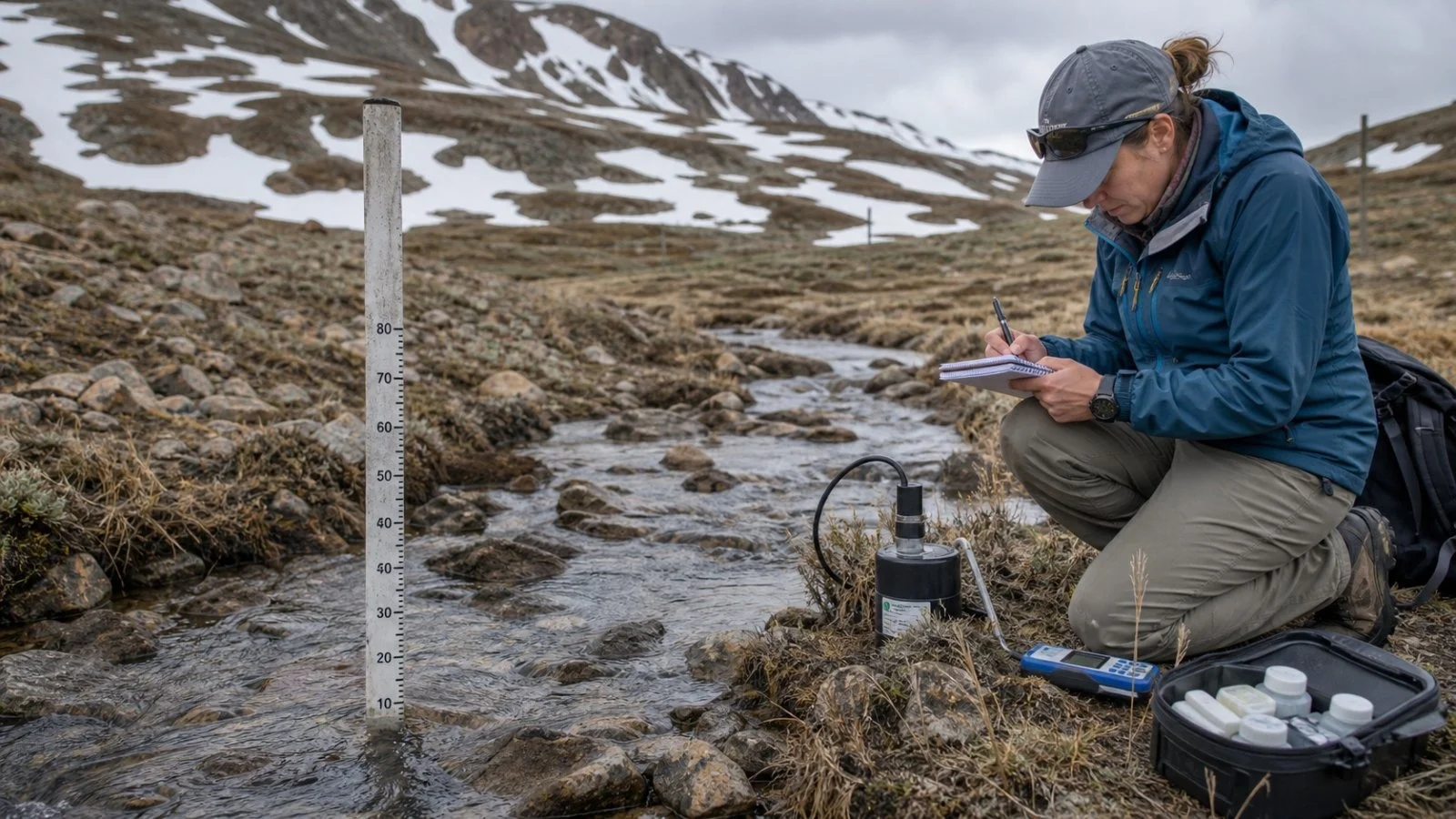
A combination of high temperatures, recurring drought and years of heavy use have been steadily running the system down. Matters were made worse this past winter when the basin saw its worst snowpack ever, meaning there was not enough snowmelt to make up for what the river and its reservoirs need.
You can trace the severity of the dry conditions back to the Rocky Mountains where the Colorado has its headwaters. With less runoff coming in and more being drawn off by demand, Lake Mead and its upstream neighbour, Lake Powell, have been in a long slide.
Why it matters beyond household taps
Some 40 million people in seven US states, tribal nations and Mexico depend on the Colorado River. But it is also the lifeblood of hydropower, industry and agriculture in the area, so a dwindling supply is an issue that goes well past city pipes.
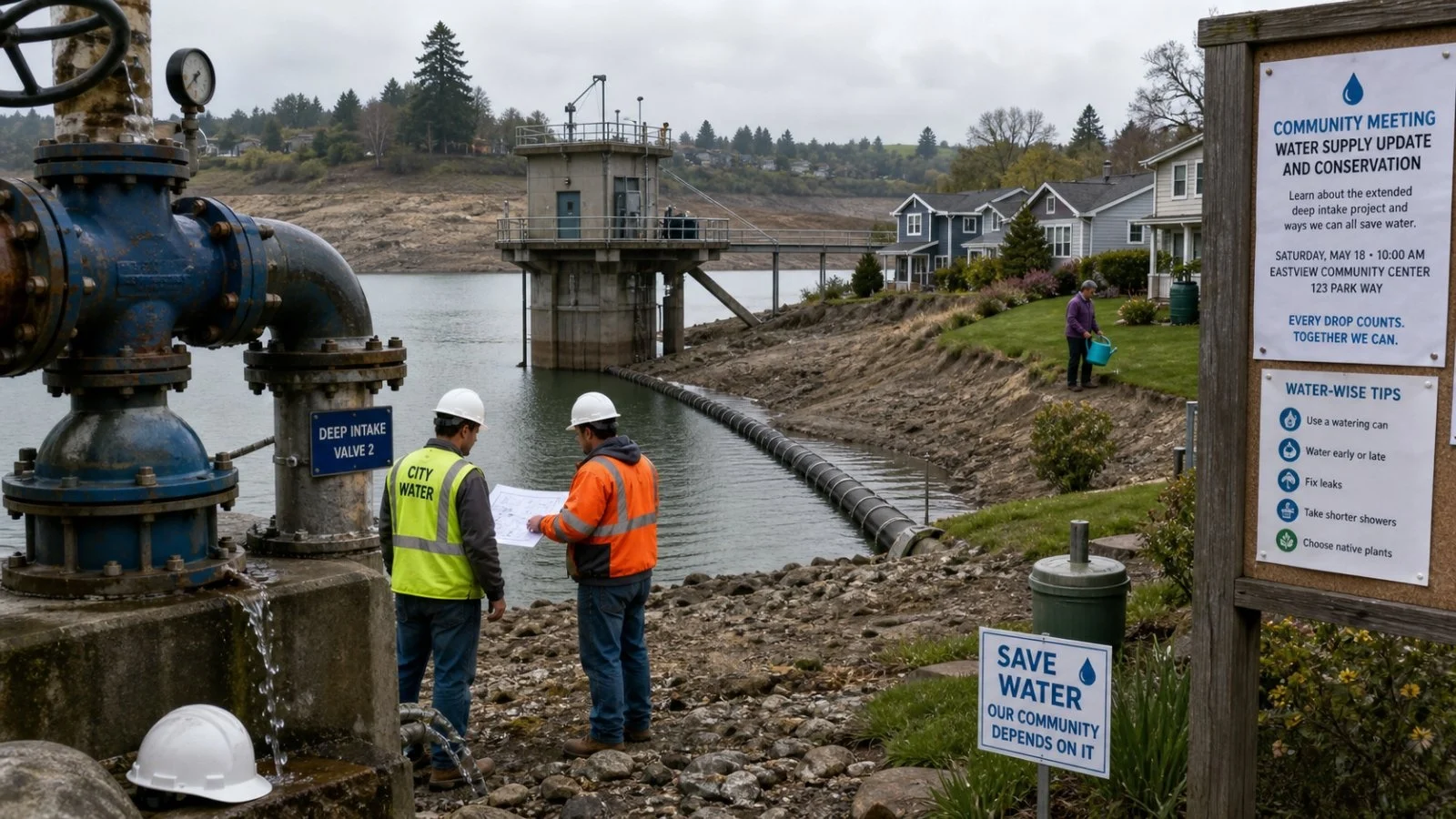
One does not have to look far for evidence of the risk. In 2022 the drought pulled back the waters of Lake Mead to reveal human remains. Las Vegas had to pump from deeper in the reservoir to get water to millions; it is a foretaste of the kind of operational headaches that will come with lower levels.
Policy choices under pressure
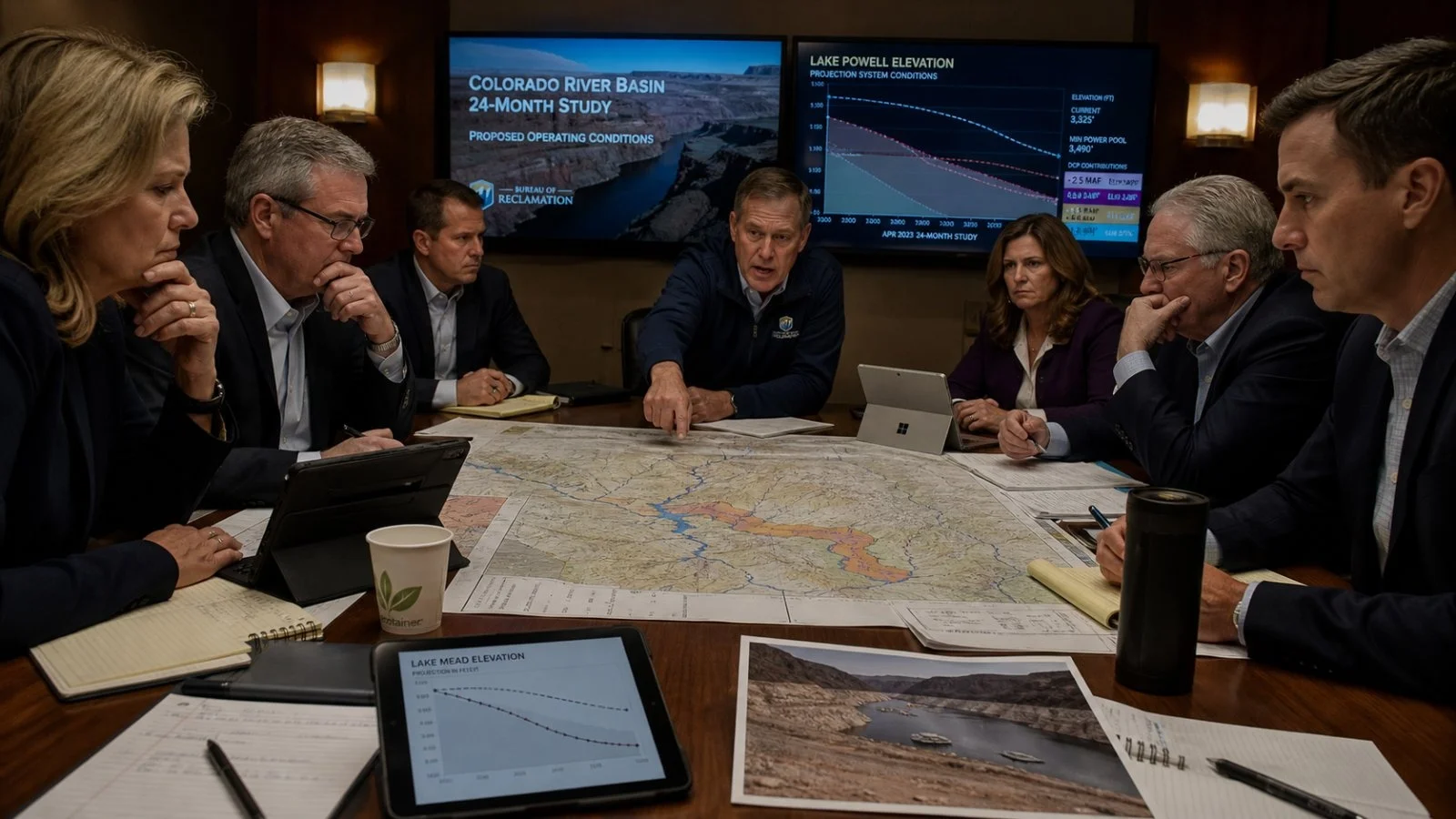
There is no lasting agreement in place among the seven states that draw from the river, be they in California, Arizona or New Mexico. The federal government has put forward a stopgap proposal in an effort to stave off something more severe.
It would have the Lower Basin states of Nevada, California and Arizona curtail their use. The Bureau of Reclamation has intimated the reductions could be steeper in drier times. The implication is plain: tighten your belt when nature does.
As for northern Arizona, federal officials have decided not to let cool water run from Lake Powell through Glen Canyon Dam. Water is being held back to shield the humpback chub, a native and threatened fish that calls the stretch from Lake Powell to Lake Mead home. It is a measure managers are taking while they also have their hands full with the task of securing hydropower output.
What to watch next
The outlook will be dictated by a few near-term indicators:
– How much water use in the Lower Basin is cut back
– Whether there is any shift in what is released from Lake Powell
– Operating limits for hydropower as the levels go down
– The need for emergency pumping or other infrastructure changes
Lake Powell’s parallel slump and the West-wide picture
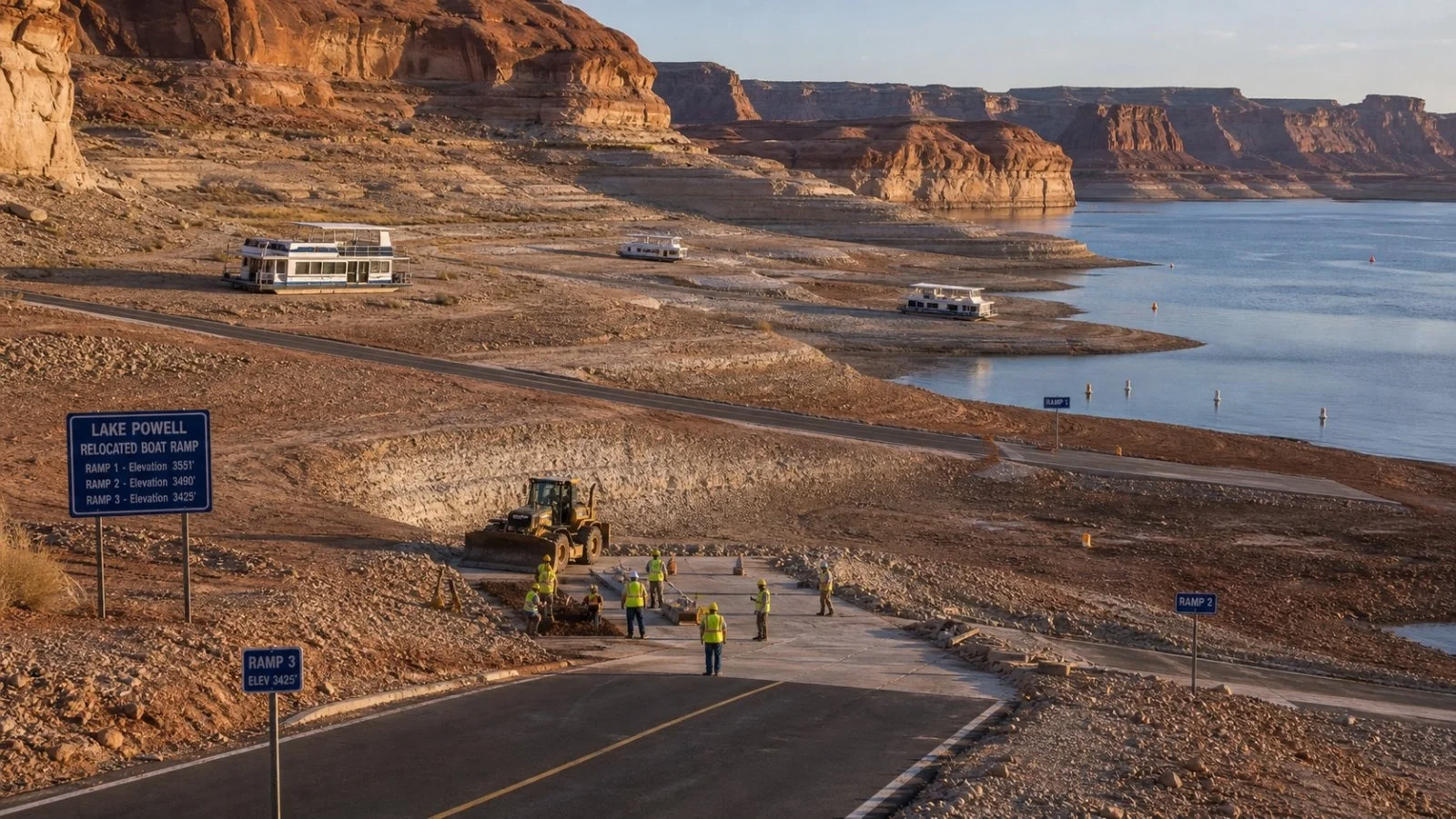
Then there is the matter of Lake Powell. As the nation’s second-largest reservoir it has gone into a steep decline of its own. The report puts both it and Lake Mead at their lowest in close to 70 years, making plain that this is a crisis across the basin and not some isolated incident.
One can see the strain on the system in the way recreation has been altered around Lake Powell; in places it is hard to get to the water. Boat ramps have had to be rebuilt, closed or put in new spots to follow the shoreline as it recedes.
The pressure is felt well beyond these two. Take the 54 Western reservoirs the Bureau of Reclamation keeps an eye on: nine of them have hit three-decade lows of late. That is a statistic that speaks to a regional reckoning rather than a story about a single lake.
The stakes, spelled out
There is more to Lake Mead’s present level than a figure on a page. It is a threshold that compels difficult decisions over who is to have water and for what. At the same time it leaves little room for error in running the hydropower at Hoover Dam, which is the backbone of the region’s electricity.
Hamby has cautioned that some 30 million people are in the direct line of fire from risks to Lake Mead, putting a human face on the numbers. When the reservoirs drop, states and authorities have no choice but to trim consumption and rework old allocations if they want the river to continue its work.
Holding cool water in Lake Powell for the chub while tending to hydropower is one of many such trade-offs. Environmental concerns, grid stability and municipal needs are all vying for the same limited resource.
What this means for readers and communities
Those on the Colorado River, be they households or businesses, will find the way ahead requires cooperation and contingency planning. Lacking a solid interstate accord, short-term fixes will have to do the heavy lifting as supplies grow thin.
You will see local effects differ, but the trend is evident: infrastructure has to make do with less, whether that is a deeper intake pump or an altered boat ramp. Water managers will be under pressure to ration more carefully and for longer.
The recent slide to 1,040.4 feet (317.1 metres) is a turning point. What comes next – stabilisation or steeper cuts – will come down to the weather and if the states can put together a lasting deal before the river decides for itself.