On Friday morning, a 6.5-magnitude earthquake shook southern and central Mexico – buildings were knocked, and alarms for earthquakes were set off in the capital. The shaking stopped President Claudia Sheinbaum from giving her first press conference of the year; people were moved to safety in a sensible way while the alarms sounded and people went outside.
Where the earthquake was
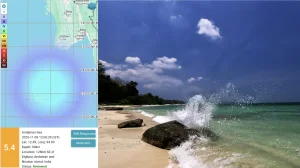
Mexico’s National Seismological Service said the epicentre was near San Marcos, in Guerrero state, not far from the Pacific coast holiday town of Acapulco. The United States Geological Survey said it was 21.7 miles (35 kilometres) deep, and the epicentre was about 2.5 miles north-northwest of Rancho Viejo, and about 57 miles north-east of Acapulco.
What people felt
The earthquake was felt over a large area, from the Guerrero coast to Mexico City. Tall buildings moved from side to side, lights hanging from the ceiling swung about, and things fell from shelves. Millions of people said they felt the earthquake a little, or quite a lot, and many people ran into the streets as the earthquake warning system gave early warnings.
Damage in Mexico City and other places
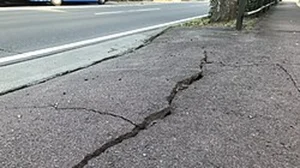
At first, it looks as though buildings in parts of Mexico City have been damaged – some walls have cracks, and there is some rubbish in a few areas. Those in charge have not given a full report of the damage, but early information says the effects are not very bad or serious, and there has not been a lot of buildings falling down. Local people in charge are checking to find out exactly how much harm has been done.
What the government did and safety rules
When President Sheinbaum was at her press conference, she stopped what she was doing when the earthquake alarms sounded, and moved staff and visitors out of the room – following the normal safety rules. She started the press conference again later, after speaking to Evelyn Salgado, the Governor of Guerrero, and finding out that there were not yet any reports of serious damage or people hurt. Emergency teams went to check important buildings, and to help places which were vulnerable.
What the earthquake alert system did
The earthquake warning system in Mexico worked as it should, giving people seconds to go to safer places before the earthquake got worse. These few seconds reduced the risk of people being hurt, and helped to stop more serious problems in offices, schools and places where people use public transport. Videos which were being shared on social media showed the alarms, buildings moving, and people leaving in a calm way.
What the earthquake means and what the risks are
Mexico is on several tectonic boundaries, and has earthquakes often. This area usually has many earthquakes each year, though most are not strong enough to be felt. Scientists say that a 6.5 earthquake, at a fairly shallow depth, can cause a lot of shaking on the surface, especially in areas of soft soil, and in older buildings which have not had modern changes to make them safer.
Aftershocks and what will happen
Those in charge are warning people to be ready for aftershocks, which can happen in the hours and days after the main earthquake. Emergency teams are giving most attention to checking important buildings, like bridges, hospitals and public transport. People are told to follow what officials say, not go into buildings which have been damaged, and tell local people in charge about any dangers.
Advice for people who live in the areas affected
If you live in an area which has been affected, check your house for any damage you can see, and do not go back into buildings until people who check buildings have said it is safe. Keep emergency sets ready, listen to official news for information, and use social media in a sensible way when sharing information, so as not to spread rumours. Help neighbours who may need help, especially older people and people with disabilities.
The situation is still changing as officials finish checking the damage and watching the earthquakes. Those in charge will give information as the checks go on, and people who live there should rely on what is known to be true, and local emergency services, for correct information.