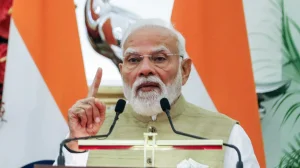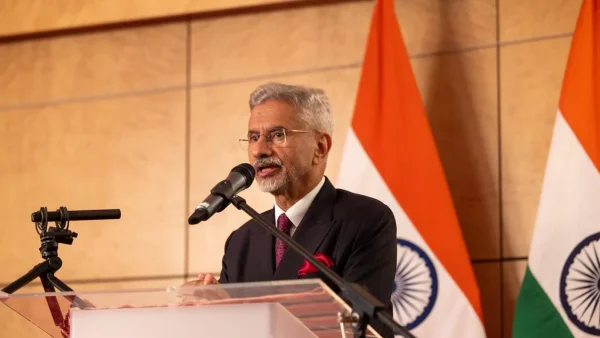
June 10th will be the day Prime Minister Narendra Modi can put 12 full years in office to his name. For S. Jaishankar, the External Affairs Minister, that’s not just a number; it’s been a time of putting India in a new position on the world stage, with a clear emphasis on diplomacy that puts the individual first, opens doors for business and doesn’t wait to act in an emergency.
There is some history in the making. When June 10th comes around, Modi will have put 4,399 days on the clock, edging past Jawaharlal Nehru as the one who has held the top job for the longest stretch without a break. After back-to-back wins in 2019 and a record third in 2024, he has built a 12-year run with another three to make of it.
A 12-year arc and a new high-water mark
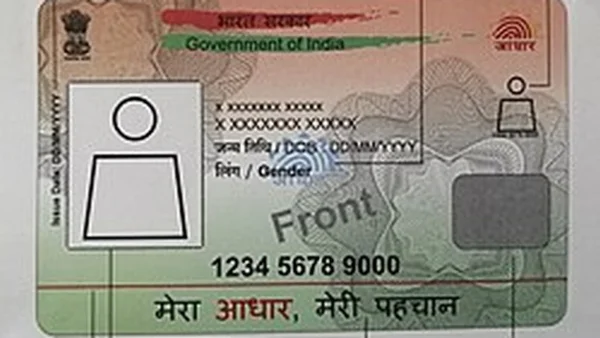
Jaishankar will tell you that the change in foreign policy and the MEA is down to Modi’s hand on the tiller. He has made a point of linking what we do in diplomacy to the kind of results Indians see in their daily lives. Case in point: getting a passport or having documents attested is now a smooth process, with digital tools to put right any issues and let us have our say.
Then there is the support for our people out in the world. The MEA has put more muscle behind the Embassies and made better use of the Indian Community Welfare Fund. In a note on X, Jaishankar made a point of the help we give to students in other countries and the work to put Indian culture and heritage on display where it’s appreciated.
Crisis response and citizen services
When it comes to being there in a pinch, Jaishankar says India has proven its mettle. You only have to look at the way we pulled people out of Ukraine, Afghanistan, Sudan and Israel to see the speed and capacity we have. “Indian diplomacy is for the nation, 24/7,” is how he puts it.
It has made a difference in how people go about their travel, he says. There is a lot more confidence and pride in an Indian going overseas these days.
If you are following the government’s line of thinking, here is what the minister has been flagging as the essentials:
– Evacuations from Ukraine, Afghanistan, Sudan and Israel
– A digital way to handle grievances and get feedback
– No more red tape for passports and attestation
– 24/7 diplomacy, per Jaishankar
– More from our Embassies with the backing of the Welfare Fund
Global mobility and market access
One of the main planks of this strategy is to let Indians into the global workplace. We have 21 such partnerships on the books, which to Jaishankar is a sign of how much of the international workforce is now made up of us.
He has also seen to it that the MEA is on the side of our companies, whether it is to open up a new market or to push exports. Some of that has come about through development projects that have put our products and services in front of new buyers.
What it means for business and talent
Put the two together and you have a plan to put Indian skills in front of demand and make life easier for those exporting. The MEA has had to be more of a facilitator than a protocol office to make that happen.
In Jaishankar’s view, it is a fundamental change in how we do things, one that brings foreign policy in line with supply chains and the bottom line.
Cultural outreach and diplomatic footprint
We have put 44 new Embassies and Consulates on the map to be closer to the Indians who live and work there. Jaishankar has been insistent on the welfare of our students, for instance, and a network that is more of a service to them.
And if you want to build soft power, you have to show your culture and traditions in a way that is well received. It is the other side of the coin to our economic and mobility push.
The message from the minister is one of steady course. With 12 unbroken years in the bag and three to run, don’t expect the MEA to lose sight of what has worked: looking after the citizen, being ready for trouble and making sure our markets are open. That is how India will continue to make its case on the world stage.