You could say New Delhi has been making its mark in the Mediterranean. After some talks in the capital, India has upped the ante with Cyprus. The idea is to turn the kind of political goodwill you get from a delegation meeting at Hyderabad House into something more concrete-capital and security.
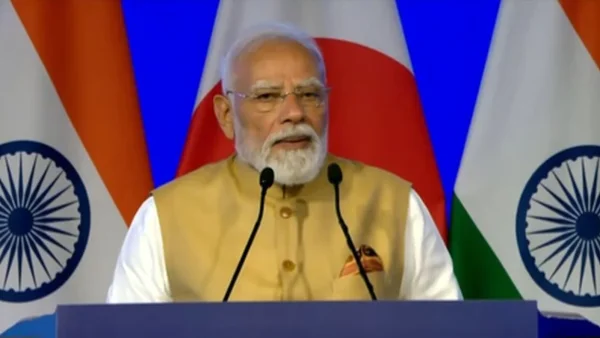
“Cyprus is one of our top 10 investors,” Prime Minister Narendra Modi told reporters in Delhi, where he made the announcement. “In fact, in the last ten years, we’ve seen that figure double.” He put it down to the new partnership as a way to keep that kind of momentum going.
Economic stakes and investor signal
There is an expectation in New Delhi that being on the same page with Nicosia will make for easier deal-making. With the India-EU FTA out of the way, there are new openings. So they have set a hard number: double the money coming in from Cyprus over the next half-decade.
To make sure words don’t just stay words, a joint task force is now in place to handle the nitty-gritty of infrastructure and shipping. For Cypriot President Nikos Christodoulides, this is what you need to get from the talk shop to actual results.
Key economic takeaways set the tone for execution:
– Cyprus is among India’s top 10 investors
– Investments doubled in the last decade
– Target to double again in the next five years
– Joint task force on infrastructure and shipping
Security and strategic coordination
Then there is the matter of hard security. Defence work with Cyprus is on the rise, and you can expect to see more of it in cyber and counter-terror circles. It’s a two-pronged approach: you want your trade to flow and you want to be secure.
When you look at the focus on the sea lanes and logistics, it makes sense. Safer waters and smoother transit put minds at ease, and that is good for business.
Shared positions on global issues
The leaders also found common ground on some of the thornier issues of the day. They have spoken about Ukraine and West Asia and are in favour of bringing those conflicts to a close. And when it comes to the need to fix up global institutions, India and Cyprus are of one mind.
That sort of clarity is useful. It takes the edge off and gives the new task force a level playing field to do its work.
Mobility, education and culture links
They didn’t stop at the macro. A migration and social security pact has been agreed upon, with deals on culture and higher ed in the works. It’s all part of a wider framework to tie in the students and the professionals.
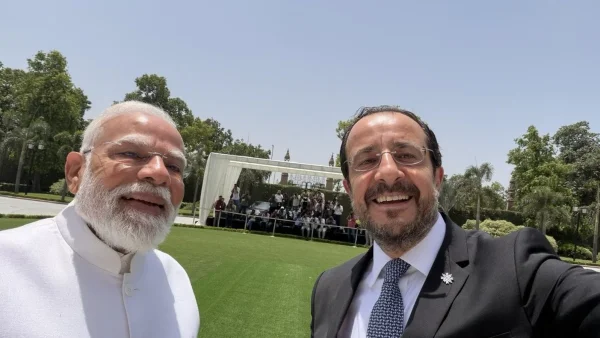
After the MoUs were signed, things got a bit more relaxed. Before the deputation even sat down, the president was in for a selfie with the prime minister.
What to watch next
But in the end, a strategic partnership is only as good as what it produces. We’ll be watching to see if the task force can put some projects on the table, or if there is any real follow-through on the FTA opportunities and the defence side of things.
Three practical signposts will test momentum:
– Time-bound progress on mobility and social security pacts
– Visible defence and security exercises or frameworks
– Investment growth aligned with the five-year doubling target
If it all adds up, you will see the relationship go from cordial to something with a bit more substance. The lines have been drawn and the clock is ticking.