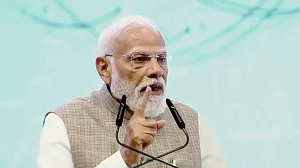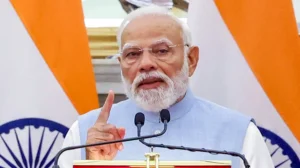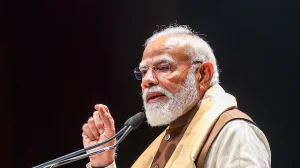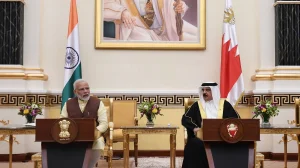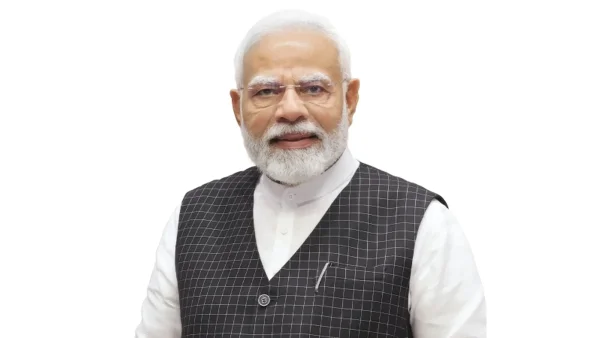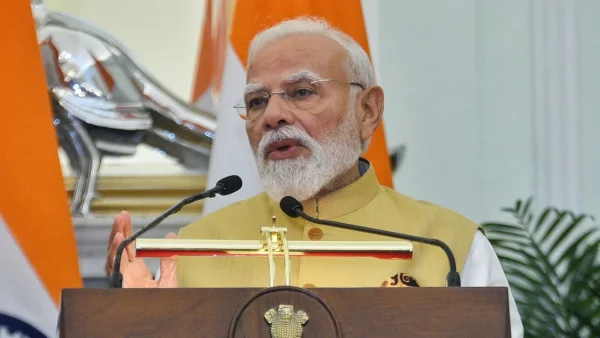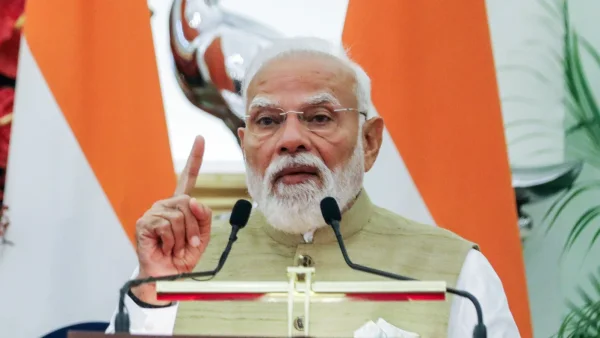
The Prime Minister, Narendra Modi, did a lot of talking with leaders as the fighting in West Asia grew – he phoned the Sultan of Oman, the Crown Prince of Kuwait and the Amir of Qatar to show he was worried about the recent attacks, and the safety of Indians who live in the Gulf. These talks took place when there had been attacks and attacks back, which had made the whole area very unsure.
Modi Speaks to Gulf Leaders
Modi had separate phone calls with Oman’s Sultan Haitham bin Tarik, Kuwait’s Crown Prince Sheikh Sabah Al-Khaled Al-Hamad Al-Mubarak Al-Sabah, and Qatar’s Amir Sheikh Tamim bin Hamad Al Thani. He said attacks on their countries were wrong, and stressed how much India wants the area to be stable.
These calls were a part of a big 48 hour push in diplomacy, which included talking to leaders from the UAE, Israel, Saudi Arabia, Jordan and Bahrain. People in government said that the aim was to work together on security problems, and to make sure Indian people in the Gulf were okay.
Worries About Indians and the Safety of People From India Living Abroad
India made the safety and well-being of its people living abroad a key part of each talk. Almost 9 million Indians live and work in West Asia and the Gulf, so protecting them is a very important part of what India does in foreign policy.
Officials gave some numbers: about 10,000 Indians are in Iran, and more than 40,000 are in Israel. Many more thousands live and work in Gulf states – particularly in building, energy and service jobs, where problems can affect how people live, and the money they send home.
The Area’s Military Problems Getting Worse, and Problems With Airspace
The recent problems got worse after a big attack on Iran, and then attacks back which were aimed at Israel, US places and important business and air travel centres. These actions led to lots of limits on airspace, and flights being cancelled across the area.
Because important routes were closed, hundreds of Indians found themselves stuck in places like Dubai and Doha. Big airlines stopped services, and airports cut back on what they did, making normal travel and getting people out in an emergency more difficult.
What the Government is Doing, and Getting Ready to Get People Out
India’s Cabinet Committee on Security looked at the situation, and told departments to do what was needed to help its people. The Ministry of External Affairs said that embassies were in touch all the time, and help lines had been started for Indians who were in trouble.
India has a history of getting people out of countries when there are problems, and officials said they were making plans in case they needed to. The country has told Indians to follow what local people tell them, and to keep in touch with their nearest embassy, while the authorities watch what is happening closely.
What This Means For India and the Gulf
This talking to leaders shows what New Delhi wants to do: protect the people from India who live abroad, and keep the economic and strategic links with the area. The Gulf gives India important energy, and has large numbers of Indian workers, while the area as a whole is important for trade and supply lines.
Diplomacy is now on making things less dangerous, and keeping in touch. By talking to many Gulf leaders, India is trying to show it is a partner who puts stability and help for people from its country first, and does not make things worse by using strong language.
What Will Happen, and What to Expect
With things changing quickly, more talking and practical help can be expected. Indian embassies will likely work more with the governments of the countries they are in, to allow people to move safely, and think about getting people out if things get less safe.
For now, the main thing is to keep in touch with people, give travel advice, and use diplomacy. The next few days will show how well people in the area, and other countries who are not in the area, can deal with things getting worse, and get safe ways for people and business back.