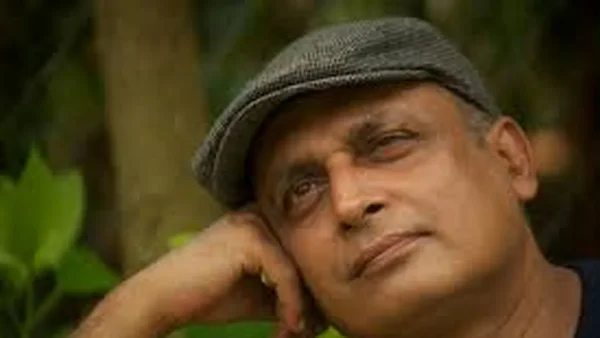
Piyush Mishra, who is both an actor and a writer, has been honest about a really difficult time in his life, a time when alcohol had a total hold on him. He explained in a podcast interview that it crept up on him, quietly changing what he did, how he thought, and his relationships with others. He’s shown how emotionally draining addiction is, and how long it takes to recover.
Piyush Mishra on his battle with alcohol addiction
He said the addiction felt like it took over everything, slowly at first, and then all of a sudden it was urgent. He describes getting to a place where drinking wasn’t something he wanted to do, it was something he had to do, and the need for a drink took over any decision he would have made. Being so honest about this shows how easily alcohol use can turn into a dangerous addiction.
Mishra warned that alcoholism is a fatal illness that alters how you act and what you remember. “Eventually,” he said, “you start to feel as if you need to drink alcohol. The effect of it makes you want more. Alcoholism is a fatal illness… your body will demand it. I’ve experienced this myself.”
How addiction crept in and took control
He explained that being dependent on something often starts with what seems like just casual drinking, or a way to deal with stress. But over time, these habits become something you have to do, and the person doing the drinking may do things that go against what they believe in. He remembers times when he lost control and did things he wouldn’t even recognize as his own.
He also emphasized that you can be addicted and still be good at your job. He didn’t drink on movie sets, but the way of thinking about alcohol went with him into his personal life. This contrast shows that addiction can hide behind being able to do things well, but it’s still destroying your values and emotional well-being.
Impact on personal life and relationships
The actor said the worst things that happened because of his drinking were at home, and the mean things he said and did caused a lot of pain. He admits to saying awful things to his mother when drunk, and how sorry he felt about it later. He said those memories were a big reason he decided to change.
Mishra also admitted to other things he regrets, including calling people at inappropriate times and not remembering doing it. He’d wake up to the results of things he couldn’t even explain, and the awful feeling of having “no control” during those times. It took years to deal with the emotional damage.
Professional consequences and rebuilding trust
Beyond his family, Mishra found that his reputation at work started to suffer as people started to think of him as difficult to work with. He said getting people to trust him again was a very slow and tiring process, and he had to constantly show he was serious about changing. He had to reassure the people he worked with and those he collaborated with that he was committed to changing.
Despite difficulties, Mishra continued to work in theater, music, and film. He was disciplined on set while trying to repair relationships and rebuild his good name. Being responsible and continuing to be creative became key to him getting back on his feet.
Turning point: stroke and spiritual recovery
A stroke in 2009 was a turning point that made Mishra deal with his problem with alcohol more seriously. This health scare made him focus more on getting better and find ways to manage things that didn’t just rely on strength of will. It was the beginning of a new phase in his life.
He began using spiritual practices, especially Vipassana meditation, to control his cravings and get his inner peace back. Mishra says he hasn’t stopped drinking completely, but these practices have given him a lot more control and helped him to be more aware of himself.
Current work and creative balance
In his career, Mishra is still very busy with many things, appearing in recent films and providing his voice for new projects. He’s still involved with theater and music, and is trying to have a healthier lifestyle while still doing the things he loves. His continued work shows that recovery doesn’t have to mean the end of a career.
Mishra’s honesty gives a real look into addiction, getting better, and being able to bounce back. By telling his story, he’s adding to the larger discussion about alcoholism, mental health, and the things people can actually do to regain control of their lives.