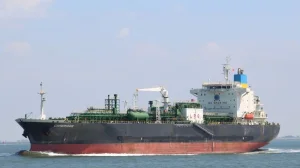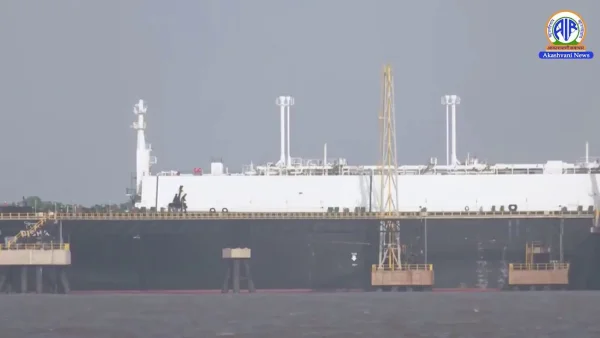
Iran has ordered ships to avoid a new US-backed shipping lane off Oman and instead follow its own route through the Strait of Hormuz, turning back an Indian oil tanker in the process. The move raises immediate risks for energy flows and crew safety in one of the world’s most sensitive chokepoints.
What changed in Hormuz and why it matters
Oman and the UN’s International Maritime Organization announced a temporary corridor along Oman’s coast on June 24, designed for evacuating vessels stranded in the Gulf and overseen by the United States. Iran has rejected that pathway and is directing all traffic to a separate channel it recognises inside the strait.
Iran’s Islamic Revolutionary Guard Corps has been issuing radio warnings to ships attempting the Omani route, instructing captains to shift to Iran’s designated corridor. Iranian authorities said ship-tracking early today showed all vessels crossing Hormuz were already using the path approved by Tehran.
How the Indian tanker episode unfolded
An Indian oil tanker attempting to use the Omani corridor was turned back and told to follow Iran’s route, according to official Iranian accounts. The intervention underscores Tehran’s assertion that it controls the waterway and can dictate how merchant vessels navigate the strait.
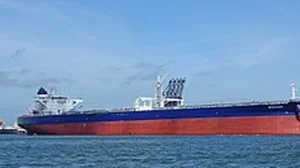
In contrast, a separate case earlier on Tuesday saw a crude carrier, OMEGA TRADER, pass via the Omani lane after intervention by the Government of India and the Indian Navy, according to government sources cited locally. The two episodes highlight a widening gap between competing navigation directives.
Here are the core positions shaping traffic in Hormuz today:
– Oman and the IMO opened a temporary corridor on June 24
– The United States is overseeing evacuations along that lane
– Iran orders ships to use its own authorised route
– India is pushing to secure safe passage for its vessels
Rising attacks and collapsing ceasefire
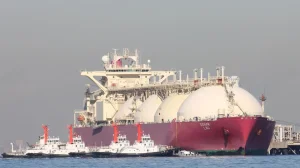
Security has deteriorated sharply. Regional alerts noted that three vessels were targeted within 24 hours on Monday and Tuesday, including a Qatari LNG tanker, Al Rekayyat, which suffered an engine room fire. Qatar accused Iran of striking the LNG carrier and called the incident a threat to regional security.
Iran, for its part, said the ship was targeted as it allegedly attempted to use the Omani corridor. Iranian forces have struck at least three ships in recent days, while Tehran has threatened to hit vessels that deviate from its authorised channel and has said it will charge fees for passage.
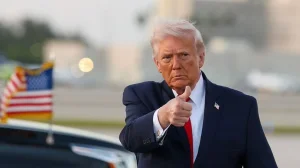
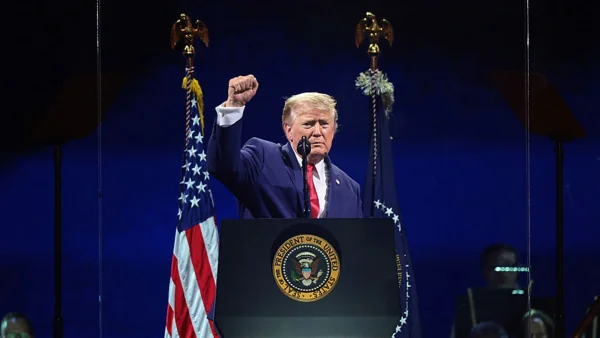
The violence has upended a fragile pause in hostilities. On Tuesday, the United States conducted strikes on Iranian targets, followed by retaliatory attacks from Iran on Gulf countries. US President Donald Trump said the ceasefire was ‘over’ while leaving the door open to further talks.
The broader conflict backdrop
The latest flashpoints stem from a conflict that began in late February with massive US-Israeli strikes on Iran. Since then, Hormuz has repeatedly been at the centre of military and maritime escalation, with commercial shipping turning into a frontline for pressure and counterpressure.
For Iran, control over the strait is strategic leverage. By insisting on a specific corridor and threatening enforcement, Tehran is pressing its claim that it can set the rules in waters critical to global oil and gas flows. The Omani-IMO lane challenges that claim by creating an alternative, US-overseen channel.
Why India is directly affected
India is one of the largest contributors of sailors to merchant shipping, sending out hundreds of thousands of seafarers worldwide. Thousands of Indian sailors have left the Gulf since the war began, including more than 3,600 aided by the South Asian nation’s shipping ministry.
Some Indian mariners have seen their vessels attacked and their shipmates killed or wounded during the recent flare-ups. Each new directive or attack in Hormuz adds uncertainty for Indian crews and shipowners deciding whether to transit, reroute or delay voyages in contested waters.
What to watch next
Key questions now revolve around compliance and escalation. Will ship operators abandon the Omani lane in favour of Iran’s corridor to avoid confrontation, or press ahead under US oversight. Whether back-channel diplomacy follows President Trump’s remarks could determine if shipping normalises or faces further shocks.