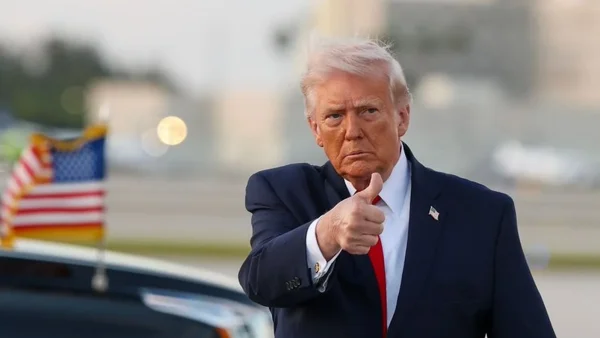
The Iranian Embassy in Russia released the AI-created video of Trump as a minion during the ongoing difficulties with the Strait of Hormuz. The waterway is mostly blocked, and the video combines satire and the government’s message. It shows that online propaganda and real-world shipping troubles are colliding.
The viral AI minion video and its message
The cartoon shows Trump, looking like a minion, on a piece of wood alongside an American flag. He says he’ll “count to three” and demands the strait open. But, predictably, nothing happens, a joke suggesting his statements won’t change what’s happening with ships at sea.
Other cartoon figures representing the United Kingdom, France, Japan, the United Arab Emirates, and Qatar are shown celebrating as an “Iranian” character pushes a red button. Then, layers of warning tape are shown over the waterway, to show that Tehran claims to control it, and to make fun of pressure from other countries.
AI, satire, and state messaging strategies
This video is one of a series of AI-made, funny videos spread by accounts linked to Iran, and they’re meant to change what people think. Governments are using deepfakes and completely artificial media more and more to present events in a certain way, use social media, and create specific stories without actually fighting a war.
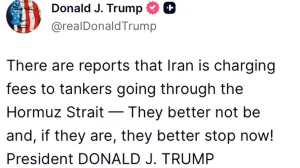
The video also comes after Trump said on social media that he would “permanently open” the strait. The connection between the AI satire and Trump’s direct statement shows a new cycle: information warfare and diplomatic statements influencing each other during this difficult and contested situation.
Shipping disruption in the Strait of Hormuz
The Strait of Hormuz connects the Persian Gulf to the ocean and carries about 20% of the world’s oil and liquefied natural gas. If it stays blocked for a long time, it will cause issues with energy prices, insurance rates, and getting goods around the world.
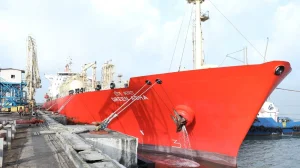
Things got worse when the Islamic Revolutionary Guard Corps stopped ships they considered to be enemies, reducing the number of ships going through the strait each day from over t30 to a very small number. A two-week pause in activity began on April 8th, but the amount of shipping is still around 90% less than usual.
Since the pause began, only 58 cargo ships have used the strait, and most of them are from Iran or countries Iran doesn’t see as opponents. This shows only a slight easing of the problem, not a return to normal shipping.
Economic and security implications
Because of the continuing delays, oil and gas prices are fluctuating in the short term, and shipping companies have to use longer and more expensive routes. Increased insurance costs and changing routes will make things more expensive for companies and people everywhere.
Regarding security, sending naval escorts and putting diplomatic pressure on Iran are possible solutions, but they could make the situation even worse. Countries need to consider stopping Iran, what the law allows, and how to calm things down, to get shipping back to normal without starting a bigger conflict.
Diplomacy, deterrence, and countering information threats
To solve the problem, countries need to work together diplomatically, have strong and believable ways to protect ships, and be open about what’s happening with incidents at sea. Watching the area internationally and having clear guidelines for how to act could help avoid misunderstandings and reopen the shipping lanes.
Policymakers also require a plan for propaganda made with AI: quick ways to check if information is true, stronger controls on social media platforms, and helping the public understand media. The video with the minion is a striking example of a much larger battle for information that is going on alongside the real-world task of reopening the Strait of Hormuz.