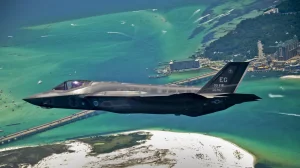
The video, released on Sunday, has the IRGC telling US warships to leave the Gulf of Oman and shows the tense back-and-forth on the radio between Iranian personnel and an American destroyer. The audio has multiple warnings to change direction, and a very clear statement that if they didn’t, they would be the target of an attack.
What the footage shows
The Iranian voices in the recording say “This is the last warning” multiple times to the US destroyer. The American ship responded that they were following international law, simply passing through, and weren’t trying to start a fight; they said they were sticking to the terms of a current ceasefire.
The Iranians then told the warship to “change course and go back to the Indian Ocean immediately,” and then threatened, “If you don’t obey my order, you will be targeted.” The video also includes a wider warning to all civilian ships in the Gulf of Oman: stay at least ten miles away from US warships, because the IRGC said it was “ready to open fire on them without any warning.”
People in Iran also say cruise missiles and drones were made ready, and that the US destroyers were almost hit before turning around after a 30-minute deadline. They also said they tried to mess with the US ships’ electronic systems, even turning off the systems that track where they are.
US response and military context
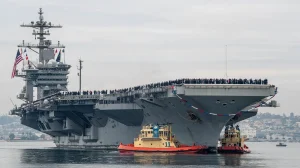
The US ship involved said they were following international law while passing through and would stick to the ceasefire rules. Previously, US Central Command had said two American destroyers had gone through the Strait of Hormuz to start looking for and removing mines.
This mine-clearing mission shows why the US Navy is in the area. Anything that interrupts ships getting in and out of the Strait of Hormuz is a big problem for companies that ship goods and the world’s oil supply. US officials say they are just making sure ships can get through safely, but Iranian officials say nothing can happen without Tehran’s permission.
Diplomatic backdrop and recent statements
All this happens at a time of very uncertain negotiations. Recent high-level talks in Islamabad didn’t result in an agreement, according to the US. The US team, led by the Vice President, said the conversations were somewhat helpful, but ultimately didn’t achieve anything, and that their suggestion was the final one.
The Iranian team of negotiators included important people from their parliament and Foreign Ministry; this was one of the highest level of talks between the two countries in many years. Also, both US and Iranian leaders have been making very strong statements publicly about who controls the important waterway, making the tension even higher.
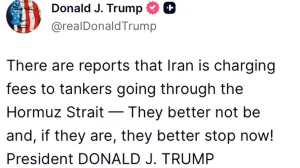
On the US side, a high-ranking politician announced on his social media account that he would “begin the process of BLOCKADING any and all Ships trying to enter, or leave, the Strait of Hormuz” and said any attack would be met with a huge amount of force. These kinds of statements just add fuel to a situation that is already very risky with the military.
Regional implications and risks to shipping and energy markets
The Strait of Hormuz is one of the most important passages for ships in the world; about a fifth of all the crude oil traded worldwide goes through it. If anything seriously interrupted or made things worse there, the price of oil would jump up, and ships would have to go a much longer way, increasing shipping costs and insurance.
Iran has said in the past that any military activity in the strait would have a “severe” reaction, while letting civilian ships through under certain rules. Threats involving mines, using drones, and warships getting too close to each other all make it more likely something will go wrong or be misinterpreted, and that could lead to a bigger conflict.
What to watch next
Keep an eye on what the military and the Foreign Ministries of each country are officially saying to get accurate information. Shipping companies and organizations that oversee the seas will give directions if the level of danger changes. It will be very important for countries to talk to each other and find ways to build trust to lower the chance of further dangerous situations in the Gulf of Oman and the Strait of Hormuz.