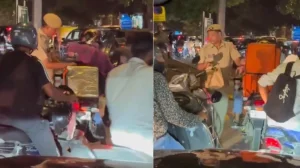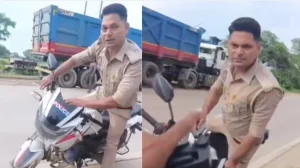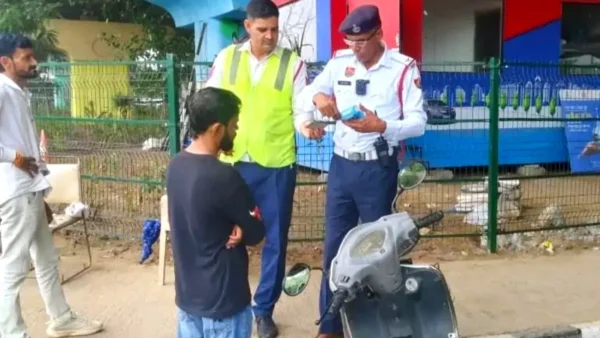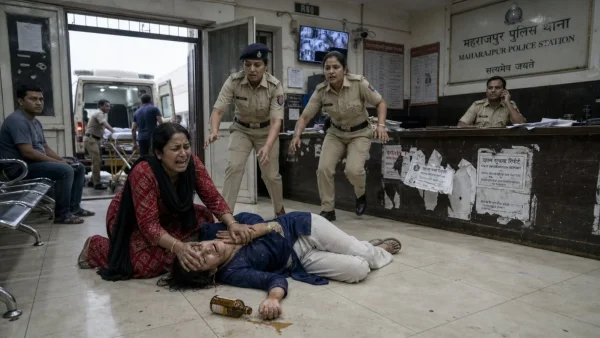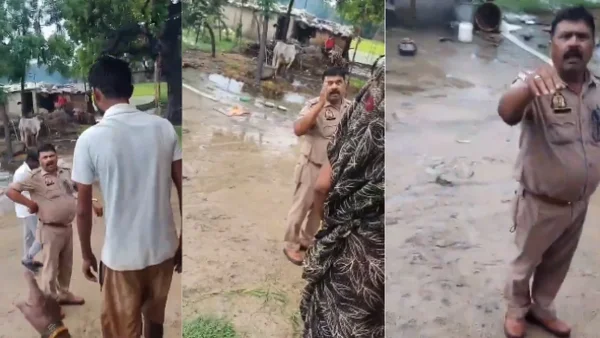
A video circulating on social media has triggered outrage after a police officer, identified in online posts as Sub-Inspector Mirza Shami Beg, was allegedly heard threatening a woman during a visit to investigate a land dispute in Kaushambi, Uttar Pradesh.
According to the claims accompanying the video, the officer, reportedly posted with the Dial 112 emergency response service, can be heard saying words to the effect of, “If you make a video, I’ll strip you naked.”
The authenticity of the video and the full circumstances of the incident have not been independently verified. At the time of writing, any official inquiry or disciplinary action, if initiated, should be confirmed through the competent authorities.
Why the Incident Has Triggered Public Anger
Even before any official findings, the alleged remarks have generated strong reactions because they concern the conduct expected from law enforcement officers.
Police officers are entrusted with:
Protecting citizens.
Maintaining law and order.
Resolving disputes impartially.
Treating complainants with dignity and respect.
If an officer is found to have used threatening or abusive language toward a member of the public, it raises concerns not only about individual conduct but also about public confidence in policing.
What Is the Uttar Pradesh Government Doing?
The Uttar Pradesh government has repeatedly stated that it is working to modernize policing through initiatives such as:
The integrated Emergency Response Support System (ERSS-112).
Digitisation of police services.
CCTV surveillance.
Police training programmes.
Women help desks in police stations.
Citizen grievance mechanisms.
In recent instances where videos of alleged police misconduct have gone viral, authorities in Uttar Pradesh have taken disciplinary action against officers after preliminary inquiries. For example, a woman sub-inspector in Varanasi was suspended following a viral video that allegedly showed her assaulting a complainant.
Whether similar action is warranted in the Kaushambi case would depend on the findings of any official investigation.
Are People Safe When They Approach the Police?
This is perhaps the biggest question raised whenever such videos surface.
For most citizens, a police station is expected to be a place where disputes are resolved through law, not intimidation.
Public trust depends on several factors:
Professional behaviour.
Respectful communication.
Fair investigations.
Accountability for misconduct.
Prompt action when complaints are substantiated.
When allegations of misconduct emerge, swift and transparent inquiries are important to maintain confidence in law enforcement.
The Challenge of Viral Videos
Videos shared on social media can bring alleged misconduct to public attention quickly, but they do not always capture the full context of an incident.
For that reason, authorities typically examine:
The complete video footage.
Statements from all parties involved.
Witness accounts.
Official records.
Any available audio or CCTV evidence.
Such inquiries help determine whether disciplinary or legal action is warranted.
A Question of Accountability
Every allegation against a police officer is not proof of misconduct. Equally, every complaint deserves a fair and impartial examination.
The credibility of law enforcement is strengthened when complaints are investigated transparently and, where wrongdoing is established, appropriate action follows.
For citizens, the expectation is simple: when they approach the police for help, they should feel protected—not intimidated.
Whether the Kaushambi incident proves to be an isolated lapse or reveals a broader issue will depend on the outcome of any official inquiry. Until then, the episode serves as another reminder that public trust in policing is built not only through crime control but also through professionalism, restraint, and respect for the rights and dignity of every citizen.