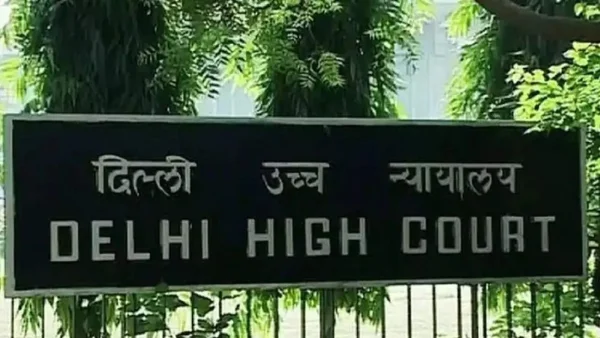
It’s an allegation of some serious lapses in the Central Board of Secondary Education’s digital side of things. The NSUI has made its case before the Delhi High Court on behalf of students, zeroing in on the On-Screen Marking system and the hiccups in the 2026 Class 12 outcomes. As word of these issues spreads, it has become a matter of some urgency for both the schools and the learners they serve.
Students flag evaluation gaps
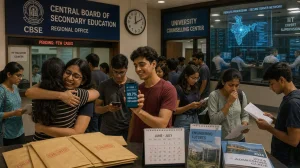
According to the NSUI, you have a lot of Class 12 candidates who feel their marks are not a true measure of how they did. There is a good deal of frustration to be had from students and parents alike when it comes to the 2026 CBSE results.
They put it down to technical snafus in the digital process that have been hard on students, and say the kind of errors being reported should be looked into. In their view, the whole thing is too opaque, which erodes any faith in the way assessments are done.
Inside the petition: demands and remedies
The NSUI has come to the Delhi High Court for some judicial help to make sure no student is made to pay for the failings of a digital system. They are looking for prompt action that puts the student first.
To be specific, the union has put in for:
– A new window to verify marks for those who have been let down
– An in-person rechecking of any answer sheets in question
– Some form of independent probe into the irregularities we’ve been hearing about
But it’s not just about individual cases. The NSUI holds that you need a proper review of how evaluations are carried out to win back trust. There has to be a way for students to air their grievances and have them sorted out.
Implications for learners and institutions
Down in the classroom, this is a question of being fair. When your numbers don’t match your work, the NSUI says, it is the students who end up bearing the brunt of it as they move on from school.
They are also making the case for going back to more of a hands-on approach to evaluation while the kinks in the digital platform are worked out. If you go with that, you’re back to what everyone is used to while OSM is under the microscope.
Protests and official silence
You can trace this court move back to the demonstrations at the CBSE offices in Delhi. The NSUI was there to call for an end to the digital system, with student leaders talking up the oddities in how scripts were graded and calling for an open book on the process.
From the CBSE side, there has been no word on the petition so far. We will likely see the case in the Delhi High Court in the near future, and all eyes will be on what kind of relief is on offer for the students involved.
What is OSM and what to watch
On paper, the On-Screen Marking was meant to be a cleaner, more modern way for the CBSE to get through the evaluation. Lately, though, it has been in the hot seat over claims of marking errors and calls for a straight answer on how results are put together.
For the time being, the NSUI’s case is one of holding the board to account. With so much concern from the ground up, the court may well have the last say on how we handle any disputes in this year’s results and make for a more open verification process.