A new jolt from the war in Western Asia is going through world energy markets, making fuel harder to get and costing more. In South Asia, governments are hurrying to save power and money they have in other countries. Bangladesh has closed universities, and Pakistan is preparing rules much like those during COVID-19, to lower use and keep important imports going.
Energy shock from the conflict hits South Asia
Because of the risk to shipping and prices jumping, energy isn’t flowing as it should, and countries that must buy energy from others are having to change plans fast. People in government all over the area are warning that if things get worse near important routes – like those near the Strait of Hormuz – supplies could be cut off even more.
With their money’s value dropping and fuel costs climbing, leaders are putting saving energy ahead of growing the economy quickly. They are now focusing on controlling how much energy is used right now, from stopping people from using electricity when it’s not needed, to making the limited amount of oil, LNG, and gas they have last.
Bangladesh closes universities to cut electricity use
Bangladesh has told all public and private universities to close starting Monday, moving up the Eid al-Fitr holidays to help lower electricity and fuel use. People in charge say this will greatly lower the amount of power campuses use and make traffic less jammed, which wastes fuel.
The closures fit with the usual times for Ramadan, as government and private schools are already closed. Officials also asked schools that teach foreign programs and private tutoring centers to stop having classes in person, to lower use even more. The situation is serious: the country gets about 95 percent of its energy from other places, so it’s very likely to be affected.
Fuel limits and gas shortages hurt Bangladesh industries
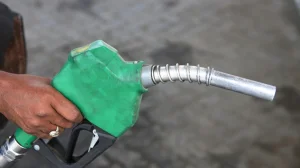
Limits on how much fuel people can buy each day came after people started buying up all the fuel in a panic, which could have emptied storage and messed up getting things where they need to go. The government hopes this will make use more even while they get new supplies at prices they can handle.
Bad gas shortages have made four of five government-owned fertilizer plants stop working, and the gas they had is going to power plants to keep blackouts from happening. Dhaka is buying LNG on the open market at much higher prices, and is looking for more shipments to fill gaps and keep the power grid stable.
A top energy person in the government said the state is doing all it can to lower use and protect power, fuel, and the ability to keep buying things from other countries. However, balancing all of this is hard, as making things, prices going up, and what people can afford are already being affected.
Pakistan prepares a step-by-step conservation plan
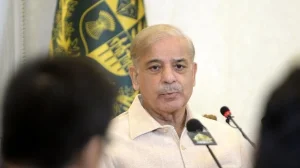
Nearby, Pakistan is finishing a plan for the whole country to save energy, with the goal of lowering demand for oil and gas brought in from other places and made liquid again. The plan, to be looked at in an urgent meeting led by Prime Minister Shehbaz Sharif, shows worries that if problems go on, there could be a much bigger energy shortage.
Officials plan to start in the public sector, and then spread the rules to private groups. Making sure the rules are followed is key: the government plans to crack down on people holding onto and smuggling gas and diesel, and to give LNG, LPG, and gas first to important services and key industries.
Working from home and learning online are like what was done during the pandemic
The ideas bring back well-known tools from the time of the pandemic. Allowing people to work from home for businesses and private groups is being considered, as are online classes for schools and colleges. Government meetings would be online, and people may not be allowed in the office as much, except for health care.
Leaders are also thinking about adding public holidays to lower energy use during times when it’s most stressed. The step-by-step plan is meant to be able to change, letting things be stepped up quickly if the market gets worse, or if supplies in the country go down faster than expected.
What to watch for: economic, education, and social effects
Closing things for a time and setting up remote work can lower the highest amounts of energy used and save fuel, but they come with problems. Limits that go on for too long could cause students to fall behind, especially where people don’t have internet and devices. Colleges and labs that depend on hands-on work will have the biggest trouble keeping up quality.
Higher prices for fuel and LNG go into the cost of getting things around, fertilizer, and electricity, adding to inflation. Central banks and finance departments may need to give help to people with low incomes, while getting public groups and big users to set energy-saving goals that are checked, and to use energy at times when it costs less.
In the future, this crisis shows how South Asia is likely to be affected by world problems, and how important it is to have a variety of sources. Speeding up improvements to the power grid, getting LNG at good prices, programs to respond to demand, and a little bit of storage can build up the ability to deal with things. For now, carefully saving energy is the most useful way to keep the lights on while markets are changing.