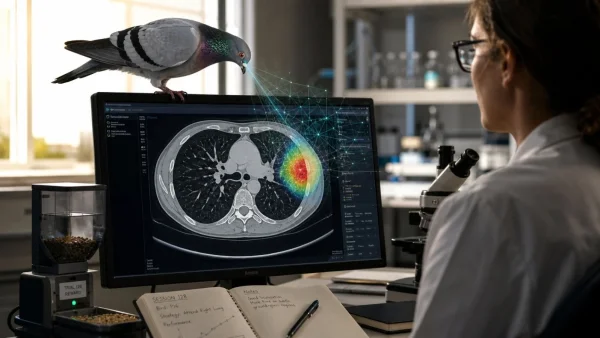
You could say Dr Gregory DiGirolamo and his team at the College of the Holy Cross in Worcester, Mass., have found an unlikely partner in their work to make medical AI more effective. Their goal is to give radiologists an extra set of eyes for the faintest of signs on a CT scan.
Why go with pigeons, and why are we talking about it now?
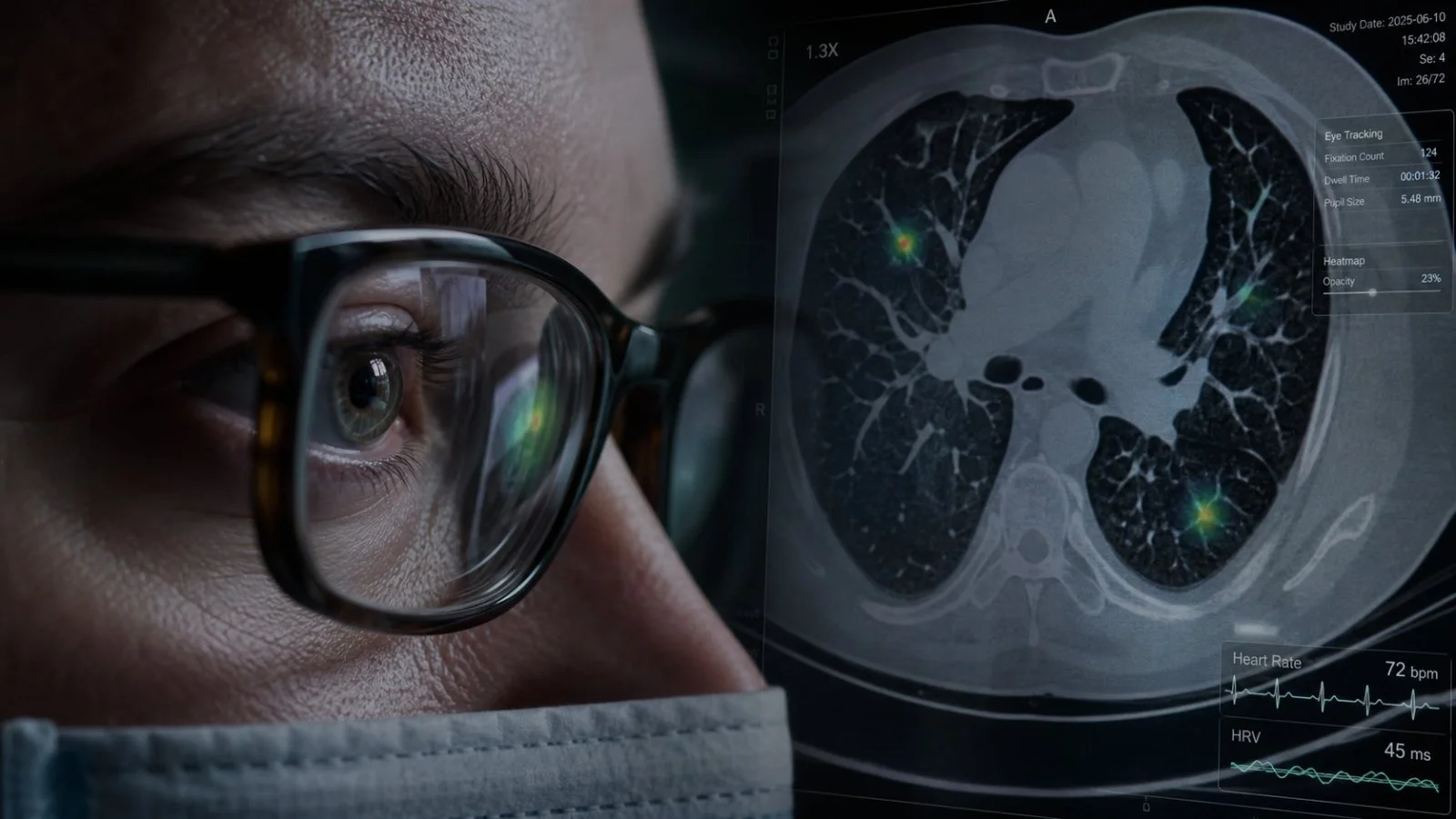
Even with a clinician right in front of the monitor, things can be overlooked. In past studies, DiGirolamo has seen radiologists’ pupils dilate as they fixate on a questionable nodule in a lung, only for them to sign off on the scan as normal in the end.
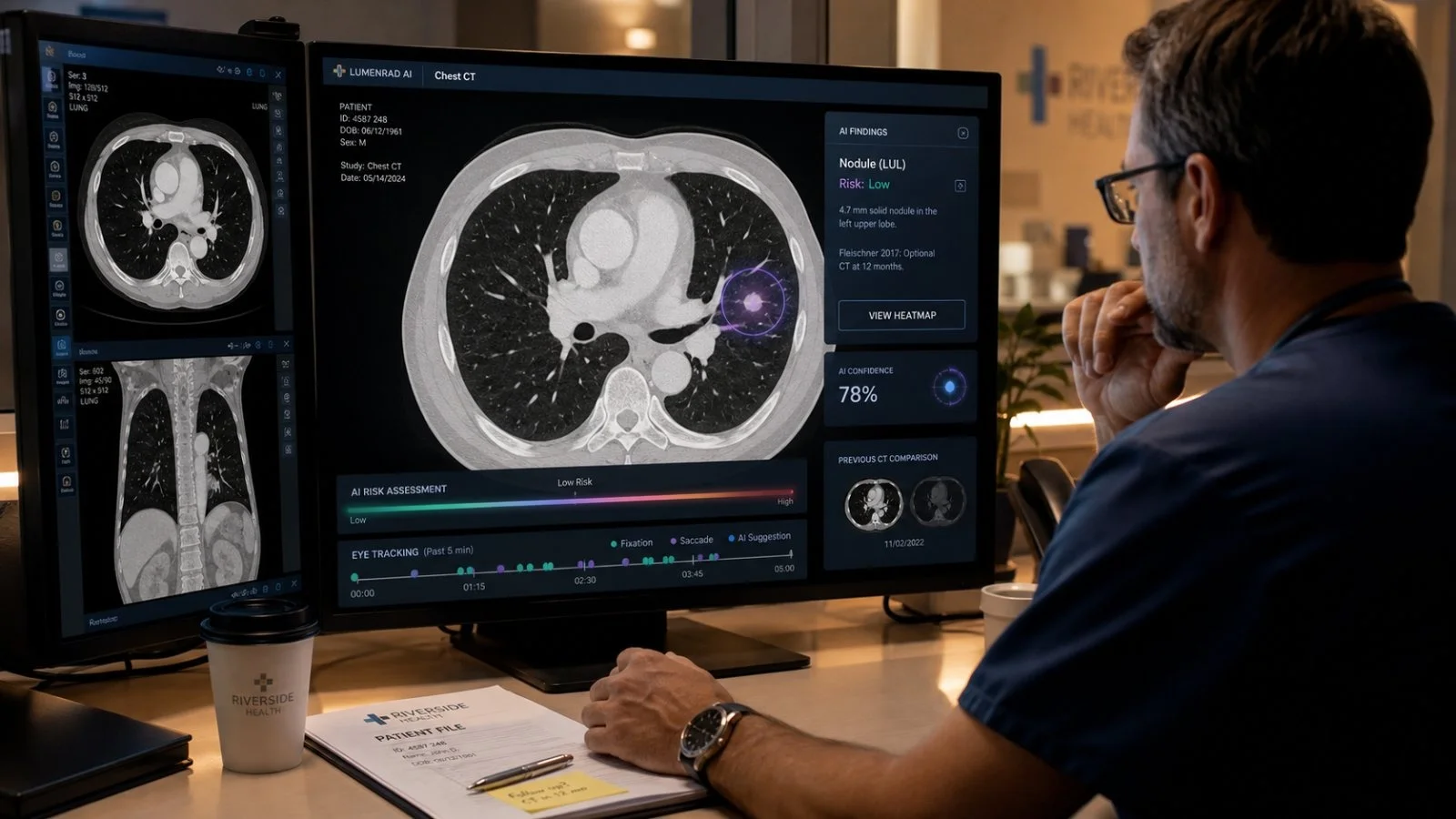
It’s a telltale sign of the non-conscious part of the brain picking up on something before you can put a name to it. An AI that can be made to see what your body is already sensing might be able to sound an alarm and force a second, perhaps life-saving, review.
How the experiment is run
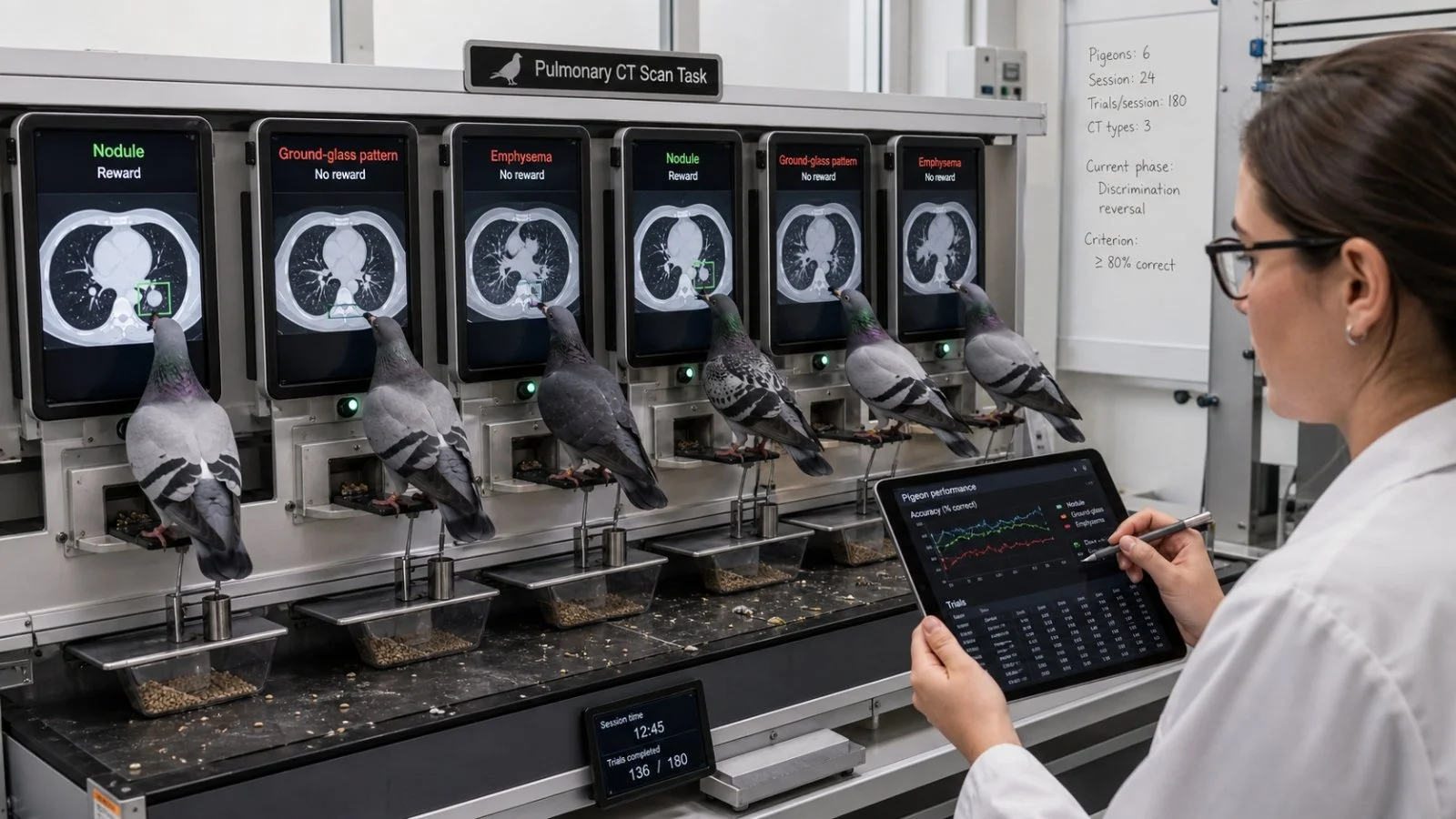
The team put six of the birds in front of some brief CT scan footage and had them make a call on whether a nodule was present. A bit of food was the price of admission for a right answer, whether it was for a nodule or for a clear scan.
They were quick to pick up on the difference and could apply it to new images they hadn’t come across before. What was striking was that the pigeons also had no trouble with other irregularities like emphysema or ground-glass nodules, despite not being shown any of those in training.
To us, an emphysema case and a nodule are worlds apart. But the way the birds are performing makes you think there’s a common thread in the visuals that the system can follow. It’s a clue for how to train AI to see patterns that don’t register on a conscious level.
Making use of the non-conscious
From here, DiGirolamo wants to start tracking the eye movements and other vitals of radiologists at work. The kind of real-time data you get from them could show an AI where to look for the tiniest of flaws, even if the doctor’s read is otherwise unremarkable.
This isn’t about putting the professional out of a job. The point is to have a tool that can cover both sides of perception and cut down on errors, which is no small thing when you’re dealing with something like lung cancer.
Where this is headed
Hospitals are already making use of AI to wade through scans and data. This is an attempt to get at the underused side of human sight. Down the line, it could mean algorithms that are much better at calling out risk in the day-to-day of a clinic.
Here is what we have so far:
– We’re after the hard-to-see stuff on a scan
– Six well-trained pigeons have been classifying CTs with some accuracy
– They can handle an image they haven’t seen yet
– Emphysema and ground-glass nodules are no problem for them
– The AI is there to be a help, not a substitute
DiGirolamo sees room to apply the same thinking in cardiology or even for art and security. But for the time being, he’s focused on medicine and the value of the brain’s quieter signals in getting to a diagnosis sooner.
For the patient, it comes down to a warning not being missed and a quicker response. For the doctor, it’s an AI that can read your own visual tells and give you a nudge when you’ve seen something you can’t quite explain.
There is a case to be made that if a pigeon can make sense of what our eyes are telling us without us knowing, an AI can too. In a field like oncology where you don’t have the luxury of time, that kind of edge is what you want.