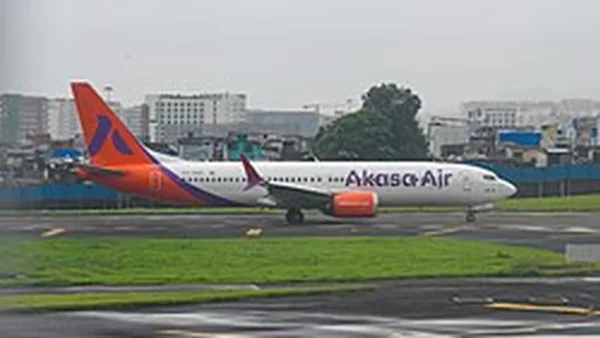
Police have said that a passenger was booked following claims he smoked a ‘beedi’ in the lavatory of an Akasa Air flight from Delhi to Goa. The event happened on March 7, 2026, on Akasa Air flight QP1625 going from the country’s capital to Goa. The authorities are looking into it.
What Happened on the Delhi-Goa Akasa Air Flight
Officials have named the person accused as Ashish, who lives in Delhi. Staff at the airline said they found proof the passenger had smoked a hand-rolled ‘beedi’ in the plane’s washroom during the journey. A lighter was also taken from the person and seen as a danger.
The crew did what they’re trained to do to deal with the situation, and the passenger was turned over to police at the airport after the aircraft touched down. Police at Mopa airport made a formal report and started taking accounts from the flight staff and any people on the plane who saw anything.
What the Airline Did, and What the Crew Should Do
Akasa Air has said that this did happen, and its crew followed the normal safety and rule procedures. The airline said the cabin crew did what their training and the law said they should, before giving the passenger to airport police in Goa.
The airline also told the authorities and said it would help with the investigation completely. Airlines stress that flight staff must quickly deal with anything that could put passengers in danger – this includes smoking when you aren’t allowed, and having things to make fire.
The Legal Case and the Charges
Police have made a case at the Mopa airport police station under the Bharatiya Nyaya Sanhita and the Suppression of Unlawful Acts against Safety of Civil Aviation Act. These laws deal with behaviour that puts civil aircraft in danger and have big punishments when flight safety is put at risk.
Those looking into the event will go through the crew’s reports, any watching or sensor data, and what people who saw it say, to find out exactly what happened. Depending on what they find and what the law allows, the case could lead to the person being put on trial.
Why Smoking on Planes is Dangerous
Smoking on a plane is clearly a fire risk, particularly in small places like toilets where the air doesn’t move and the things used can make the danger happen faster. A lit ‘beedi’ and a lighter can start a fire that could threaten the plane’s systems, the safety of the people on board, and what the plane’s inside is made of.
Newer planes have smoke alarms and strong rules against smoking, so deliberately smoking is a very serious breaking of the rules. This kind of behaviour can make the crew take emergency steps, make the pilot’s work harder, and put passengers at risk they don’t need to be at.
What This Means for Flight Safety and How People Behave as Passengers
Events like this show how important it is to make sure flight rules are followed and to teach travellers about safety on board. Airlines and those who make the rules depend on the crew being careful, clear procedures, and legal punishments to stop this from happening again and to keep the public’s trust in the safety of flying.
Better signs, regular checks, and safe places to put rubbish in the toilets help lower risk, but how passengers behave is still very important. Keeping on training the crew and regularly following the law in court send a clear message that putting a flight in danger has real results for those who do it and protects those who fly.