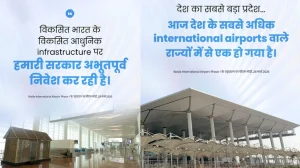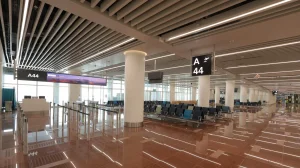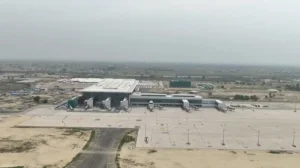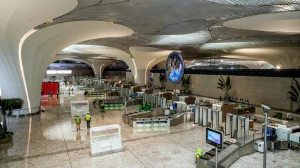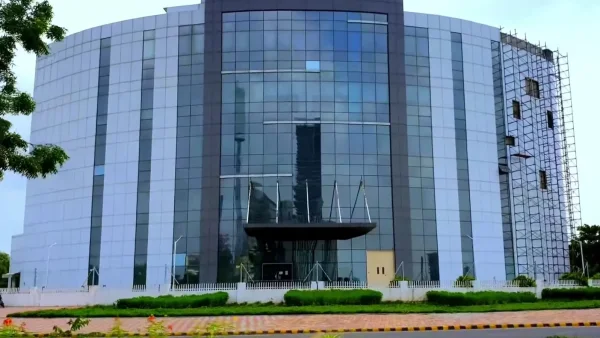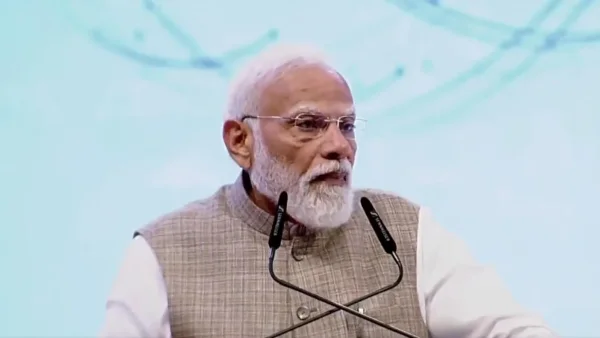
Prime Minister Modi will see the new terminal building at around and then officially open the first part of the airport at noon. He will then speak to the public.
Inauguration schedule and venue details
The opening day starts with a walk-through of the new terminal in Jewar, Gautam Buddha Nagar. The official opening is planned for midday, and a speech will follow the ribbon-cutting. Officials say this event is a major, important advancement in infrastructure.
The airport is on the Yamuna Expressway and is meant to be the main entrance to the National Capital Region. Because of where it is, people from Noida, Greater Noida, western Uttar Pradesh and surrounding areas will be able to travel more quickly.
Investment, model and initial capacity
The first part of the airport was built with 11,200 crore of money from a Public-Private Partnership. It will initially be able to handle 12 million passengers each year (MPPA). It was planned so it can grow to 70 MPPA as the airport gets larger.
Important features of the infrastructure include a 3,900-meter runway which can accommodate large planes. More advanced systems for landing, like an Instrument Landing System, and modern lights on the airfield will allow planes to take off and land safely at any time of day or in any weather.
Cargo ecosystem and maintenance facilities
Noida International Airport includes a large center for cargo with a building for handling cargo and areas for managing logistics. To begin with it will be able to handle over t250,000 metric tonnes of cargo a year, and this can increase to about 1.8 million metric tonnes as demand goes up.
The project also includes a 40-acre area specifically for repairing and maintaining aircraft (MRO). The cargo facilities and MRO area will help the region’s supply chains and encourage growth in logistics, and in businesses like online shopping and manufacturing.
Sustainability and architectural approach
The airport is designed to be ready for the future and to be sustainable, and the goal is for it to have no net carbon emissions. Energy-saving technology and environmentally sound methods are part of everything the airport does, from the terminal systems to the management of the airfield.
The look of the airport’s buildings is inspired by Indian traditions, and uses design elements that are similar to ghats (steps down to a river) and havelis (traditional large houses). The intention is to mix cultural style with modern infrastructure, giving travelers a clear feeling of the area, but still meeting the standards for how airports work around the world.
Regional impact and passenger benefits
Noida International Airport will be the second international airport for the Delhi NCR area, working alongside the current international airport to ease congestion. The two airports will be an integrated aviation system to increase capacity and improve connections.
Travelers can look forward to shorter lines, more flights to choose from, and perhaps cheaper tickets as airlines change their routes. The increased ability to handle cargo may also lower the cost of moving goods and get them delivered faster for companies in the region.
What to expect after inauguration
After the opening, airlines and ground staff will gradually start operating. Road and public transportation links, including planned metro and train lines, will eventually make it easier to get to and from the airport.
The opening of the first part of the airport in Jewar is a significant achievement for infrastructure, and also in planning for future growth of aviation. Once things settle down, people and businesses in the National Capital Region can expect real improvements in how much the airport can handle, how easy it is to use, and how well it connects them to the rest of the world.